
Trees
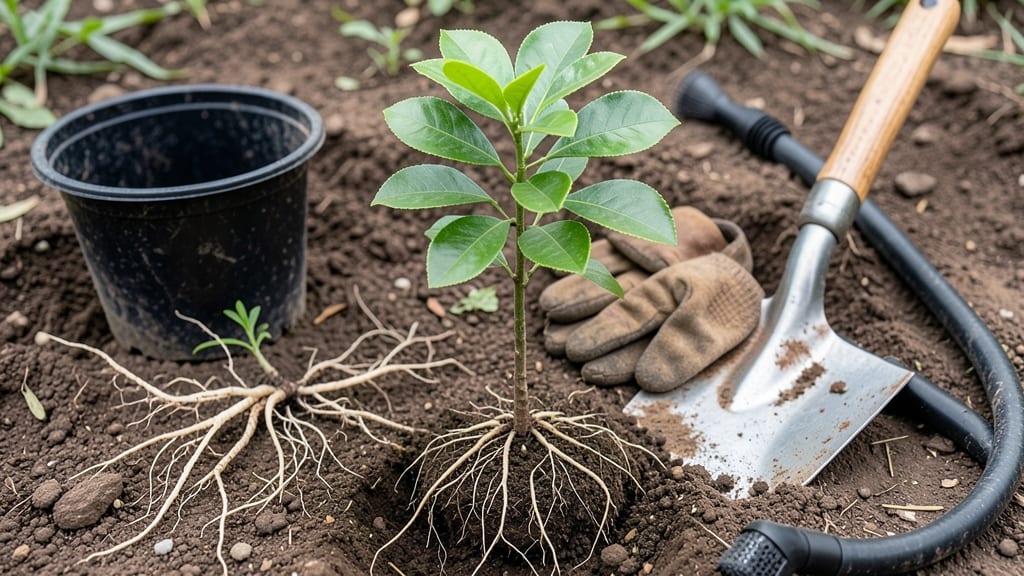
Planting your 🍎 fruit trees at the wrong time in South Africa could mean the difference between a lush orchard and struggling saplings. The country's diverse climate zones—from frost-prone Cape Town to subtropical Durban—demand precise timing, and getting it right ensures strong root growth and higher yields.
Most gardeners know spring is ideal, but the exact window varies dramatically by region. In 9a-11a zones, winter planting (May-September) gives young trees a head start before summer heat arrives, while coastal areas like Durban can extend planting into early spring without frost risks.
Citrus thrives when planted in spring (August-October), but stone fruits like peaches need cooler winter months (May-July) to establish roots before summer's intensity. Even small mistakes—like planting avocados too early—can lead to heat stress or poor fruit set.
I'll break down the best planting months for each variety and region, plus critical tips to avoid common pitfalls. Let's get your orchard off to the right start!
Best planting months for fruit trees by south african climate zones
South Africa’s diverse climates mean there’s no one-size-fits-all answer for planting fruit trees. The Winter Rainfall Zone (like the Western Cape) has completely different timing needs than the Summer Rainfall Zone (e.g., Gauteng) or Subtropical Regions (KwaZulu-Natal).
I’ll break down the best months for each zone, including frost risks and soil prep tips to set your trees up for success.
In Winter Rainfall Areas (e.g., Cape Town, Stellenbosch), the golden window is late winter to early spring—specifically August to September. This aligns with the end of the rainy season and before summer heat stress kicks in.
Citrus and stone fruits thrive when planted here, as the cooler months help roots establish before the dry summer.
For Summer Rainfall Regions (e.g., Johannesburg, Pretoria), aim for late autumn to early winter—April to May. This timing ensures trees get enough moisture from summer rains while avoiding the hottest months.
Subtropical varieties like mangoes and guavas also prefer this window to establish roots before the rainy season peaks.
Subtropical Zones (e.g., Durban, Pietermaritzburg) offer a longer planting window—February to June—thanks to milder winters. However, avoid planting during the hottest months (December-February), as high temperatures can stress young roots. Avocados and macadamias, for example, need cooler soil to establish properly.
Here’s how I recommend tailoring your approach by zone, including frost risk considerations and soil prep timing:
Soil preparation is just as critical as timing. In Winter Rainfall Zones, I always amend the soil 6 weeks before planting—adding compost and organic matter to retain moisture for the dry summer ahead.
For Summer Rainfall Areas, focus on improving drainage to prevent waterlogging during the rainy season.
In subtropical regions, soil temperature matters most. Use a soil thermometer to ensure it’s above 15°C (59°F) before planting—cooler soil slows root growth. Mulching with straw or wood chips helps regulate temperature and retain moisture, which is especially important for avocado and macadamia trees.
One common mistake I see is planting citrus trees in winter in frost-prone areas. These trees are not frost-tolerant and will suffer damage if planted in June or July. Instead, wait until August or September when frost risk has passed.
For stone fruits like peaches and plums, dormancy is key—planting in late autumn (April–May) ensures they’re established before bud break.
Regardless of your zone, always water deeply after planting to encourage root growth. In Winter Rainfall Areas, I recommend installing a drip irrigation system to supplement natural rainfall during the dry summer months. For Summer Rainfall Zones, prioritize well-draining soil to prevent root rot from excessive rain.
🌱
Fruit tree varieties and their ideal planting seasons in South Africa
South Africa’s diverse climate zones mean some fruit trees thrive when others struggle—so knowing the perfect planting window for each variety is key. For example, citrus trees like oranges and lemons need warm soil to root, while stone fruits like peaches and plums prefer cooler winter planting.
Even subtropical varieties like mangoes and avocados have specific timing needs to avoid frost or heat stress.
I’ve planted everything from dwarf citrus in my Cape Town garden to full-size avocados in Durban, and the difference in success comes down to timing. Let’s break down the ideal months for popular fruit trees based on their dormancy cycles and regional suitability.
| Variety | Best Planting Months | Key Considerations |
|---|---|---|
| Citrus (Orange, Lemon, Grapefruit) | February–April (coastal), May–June (inland) | Avoid frost; warm soil (15°C+) speeds root growth. |
| Stone Fruits (Peach, Plum, Apricot) | May–July (dormant season) | Plant before buds swell; cold helps establish roots. |
| Avocado (Persea) | March–April (coastal), May–June (inland) | Needs frost-free soil; avoid waterlogging. |
| Mango | February–March (subtropical) | Heat-loving; plant when soil is warm (20°C+). |
| Guava | March–April (year-round in warm zones) | Fast-growing; tolerates poor soil but needs full sun. |
| Pomegranate | April–May (spring) | Drought-tolerant; plant after last frost risk. |
For citrus trees, I’ve found that coastal areas like Cape Town and Durban allow planting as early as February, while inland regions should wait until May to avoid frost. Stone fruits, however, demand winter planting—May to July—when they’re dormant and less stressed.
My peach tree planted in June now produces fruit reliably, while one planted in spring struggled for years to establish.
Subtropical varieties like mangoes and avocados are picky about soil temperature.
In KwaZulu-Natal, I plant mangoes in February when the ground is warm enough (20°C+), but in Gauteng, I delay until April to avoid erratic spring rains. Avocados are similar—coastal areas get a head start, while inland gardeners must wait for stable warmth.
Pro tip: If you’re in a transition zone (like Johannesburg), opt for dwarf varieties or container-grown trees. They adapt better to microclimates and give you more flexibility with planting times. Just ensure the root ball stays moist during the first 3 months after planting, regardless of the season.
Always check your local last frost date—even in summer-rainfall areas like KwaZulu-Natal, unexpected cold snaps can damage young trees. For example, Durban rarely sees frost, but Pietermaritzburg can drop below 0°C in winter, so adjust your timing accordingly.