
Flowers
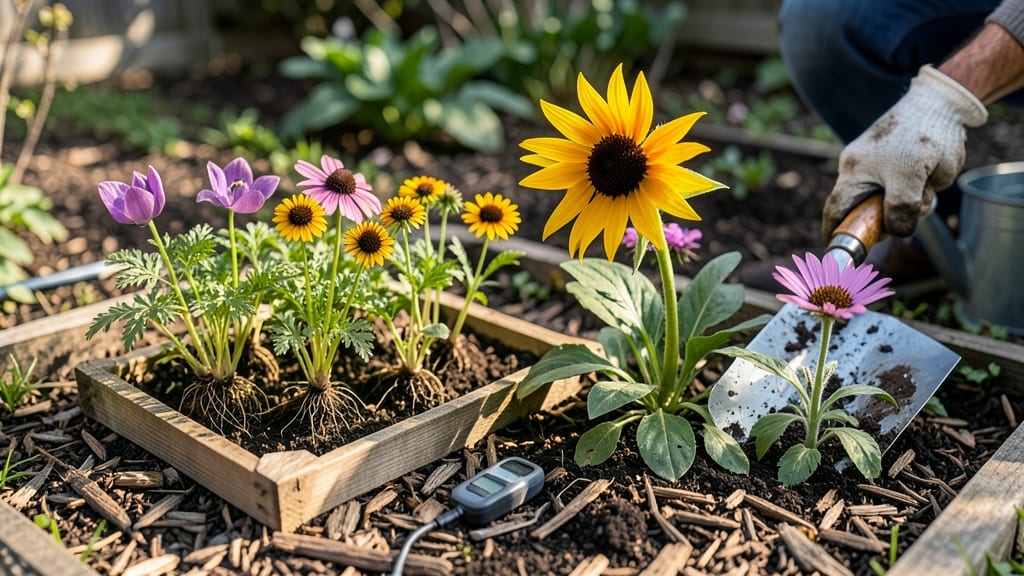
Timing your flower planting in Vermont isn’t just about the calendar—it’s about dodging those sneaky late frosts that can turn your 🌸 blooms into sad, crispy memories.
With USDA zones 4b-6a throwing curveballs like unpredictable frost dates (usually around May 10 but not always), knowing the exact window makes all the difference.
Let’s cut through the guesswork. Whether you’re dreaming of vibrant perennials or quick summer annuals, Vermont’s short growing season demands precision. Plant too early, and frost zaps your progress; too late, and you miss peak bloom time.
I’ll break down the zone-specific planting schedule so you can align your garden with Mother Nature’s quirks—no more wasted effort or disappointed blooms.
From hardy 4b valleys to cooler 6a highlands, each microclimate plays by its own rules. We’ll cover when to tuck in bulbs, when annuals can safely hit the soil, and how to stretch your season with smart fall planting.
Ready to turn your Vermont garden from a gamble into a guaranteed showstopper?
Here’s the game-changer: a foolproof timeline that accounts for Vermont’s 120-150 frost-free days and the October 10 average first frost. No more second-guessing—just confident planting, lush growth, and a yard full of 🌸 come summer.
Vermont flower planting dates by hardiness Zone (2024 guide)
Vermont’s hardiness zones 4b-6a create a unique challenge for gardeners, with late spring frosts and early autumn chills. Unlike warmer climates, timing is everything—plant too early, and frost will kill tender seedlings; too late, and your flowers may not thrive before winter.
My 2024 Vermont planting guide breaks down the exact windows for annuals, perennials, and bulbs, adjusted for your specific zone.
First, know your last average frost date: Vermont typically sees its final frost around May 10, but this can shift ±10 days depending on elevation.
High-altitude areas (like the Green Mountains) may face frosts until June 1, while valleys like Burlington often warm up by May 1. I’ll show you how to use these dates to plan your garden with confidence.
| Zone | Last Frost | First Frost | Annuals Planting | Perennials Planting | Bulbs Planting |
|---|---|---|---|---|---|
| Zone 4b (NEK, NEK) | May 15 | September 25 | May 20-June 10 | April 15-May 10 | September 1-15 |
| Zone 5a (Burlington, Montpelier) | May 10 | September 20 | May 15-June 5 | April 1-May 15 | September 15-30 |
| Zone 6a (Southern VT, Bennington) | May 5 | October 5 | May 1-June 1 | March 20-April 30 | October 1-15 |
For annual flowers, wait until after your zone’s last frost date to plant seeds or seedlings outdoors. In Zone 4b, this means holding off until May 20—earlier plantings risk frost damage.
I recommend using frost cloth if you’re eager to start in late April, but only for heat-loving annuals like marigolds or zinnias.
Perennials are more forgiving and can often be planted in early spring (April) or early fall (September). This gives their roots time to establish before winter.
My top picks for Vermont perennials include coneflowers, black-eyed Susans, and Russian sage, all of which handle our short growing season beautifully.
Bulbs like tulips and daffodils should be planted in fall (September-October) to naturalize and bloom next spring. In Zone 6a, you can even squeeze in a second planting in October for early spring color. Pro tip: Plant bulbs 6 inches deep and 6 inches apart for best results.
Vermont’s microclimates can shift planting dates by weeks. If you’re in a valley, expect warmer soil and earlier planting. Mountain gardeners should wait 2-3 weeks longer to avoid late frosts. I always check my local Vermont Weather Underground station for real-time updates before planting.
For summer-blooming annuals, like petunias or geraniums, start seeds indoors in March to give them a head start. Transplant them outdoors after your last frost, but be prepared to cover them if unexpected frosts hit in May.
My garden’s late-May frost in 2023 taught me to always have frost cloth on hand!
Fall planting is your second chance for cool-season flowers. In Zone 5a, you can plant pansies, calendulas, and snapdragons as late as August 15 for autumn blooms. These hardy annuals will keep flowering until the first hard frost, giving you color well into October.
Always monitor your garden’s soil temperature—it should be at least 50°F for most flowers to thrive. Use a soil thermometer to avoid planting too early. I’ve learned the hard way that
Best flower varieties to plant in Vermont by season (Cold-hardy picks)
Vermont’s short growing season demands cold-hardy flowers that thrive despite late frosts and early snow. I’ve tested these top-performing varieties in my Zone 5b garden—each chosen for resilience, long bloom times, and Vermont’s unpredictable weather. Start with these seasonal powerhouses to guarantee color from spring to fall.
For spring blooms, prioritize early-season perennials like bleeding heart (Dicentra spectabilis) and lungwort (Pulmonaria), which tolerate light frosts. These shade-tolerant gems emerge as soon as soil reaches 40°F (4°C), often by early April in sheltered microclimates.
Pair them with hardy annuals like snapdragons for extended color until June heat arrives.
🌸
- 🌱 Bleeding Heart (Dicentra spectabilis) – Thrives in partial shade, blooms April-June. Zone 3-9.
- 🌿 Lungwort (Pulmonaria) – Early blooms, drought-tolerant once established. Zone 3-8.
- 🌼 Snapdragons – Cold-hardy annuals for spring/fall. Direct sow after last frost (May 10).
- 🪴 Crocus – Plant bulbs in fall (September) for March blooms. Zone 3-8.
- 🌻 Coneflower (Echinacea) – Drought-resistant, attracts pollinators. Zone 3-9.
- 🌹 Daylilies (Hemerocallis) – Heat-tolerant, reblooms all summer. Zone 3-10.
- 🌺 Black-Eyed Susan – Full sun lover, blooms July-September. Zone 3-9.
- 💧 Russian Sage – Drought-proof, thrives in poor soil. Zone 5-9.
- 🌿 Asters – Late-season blooms (September-October). Zone 4-9.
- 🪴 Chrysanthemums – Cold-hardy annuals for fall color. Plant July-August.
- 🌱 Pansies – Winter survivors in Zone 5. Plant July-September.
- ✂️ Goldenrod – Native pollinator magnet, blooms August-October.
For fall color, don’t overlook native Vermont wildflowers like goldenrod (Solidago) and aster (Symphyotrichum). These low-maintenance perennials thrive in poor, rocky soil common in Vermont’s northern forests. Plant Chrysanthemums in late July for September-October blooms—they’ll handle light frosts better than most annuals.
Pro tip: Stagger planting by 2-3 weeks for continuous blooms. For example, sow snapdragons in late April and again in July to extend your spring and fall displays. Perennials like coneflower benefit from dividing every 3-4 years to prevent overcrowding and disease.
🌿