
Plants
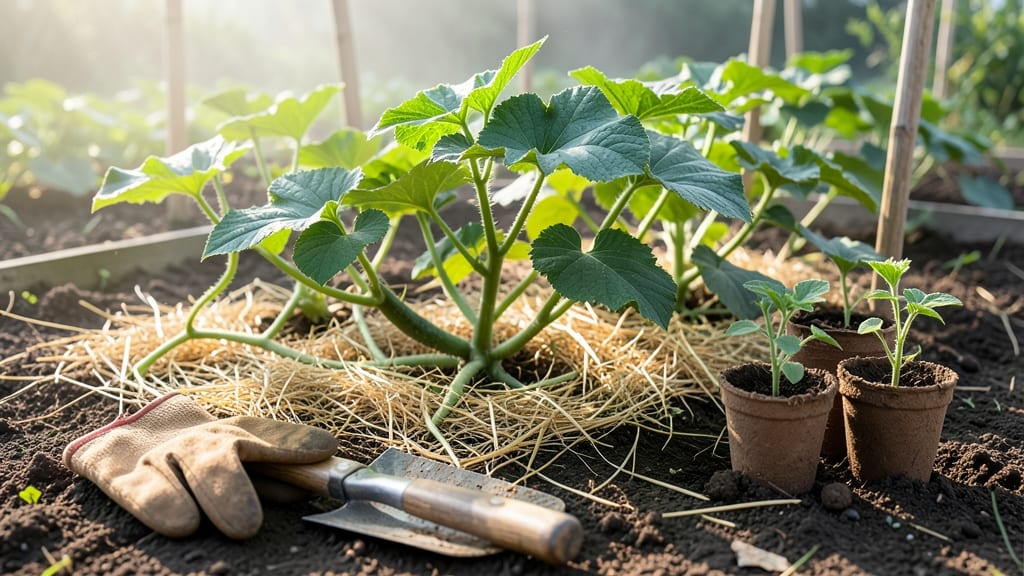
Timing your cucumber planting in Zone 6B could make or break your harvest—get it wrong, and you might end up with wilted vines or stunted 🥒 instead of crisp, juicy fruits.
The key is knowing exactly when to start seeds or transplant seedlings after that last frost date, which typically lands between mid-April and early June in this region.
I’ve learned the hard way that rushing cucumbers into cold soil or planting too late means missing the sweet spot for a full-season harvest. Whether you’re direct-sowing seeds or transplanting young plants, understanding soil temperatures and regional microclimates is the game-changer for success in Zone 6B’s short growing window.
In this guide, I’ll break down the exact frost-free timeline you need to follow, including soil temperature thresholds and regional adjustments.
You’ll also discover how to extend your harvest with simple tricks like row covers or succession planting—perfect for gardeners who want to squeeze every last cucumber out of their season.
From avoiding common mistakes to choosing the right varieties, I’ll show you how to turn your Zone 6B garden into a productive cucumber powerhouse. Let’s get those seeds in the ground at the perfect moment!
Zone 6B cucumber planting dates: exact frost-free timeline by method
In Zone 6B, cucumbers thrive when planted after the last frost date, which typically lands between April 15 and May 1. However, soil temperature matters just as much as air temperature—wait until the ground warms to at least 60°F for optimal germination and growth.
This usually aligns with mid-May in most of Zone 6B, but urban areas may run slightly cooler than rural spots.
Your exact planting window depends on whether you're direct-sowing seeds or transplanting seedlings. Direct-sown cucumbers germinate best in warm soil, while transplants can handle slightly cooler conditions. Let’s break down the precise timing for both methods to maximize your harvest potential in Zone 6B’s short growing season.
| Planting Method | Optimal Planting Window | Soil Temp Requirement | Key Consideration |
|---|---|---|---|
| Direct Sowing | Mid-May to early June | 60°F+ (consistent) | Seeds rot below 55°F; use black plastic mulch to warm soil faster |
| Transplanting | Late April to mid-May | 50°F+ (soil) | Hardens off seedlings first; choose compact varieties for earlier harvests |
| Succession Planting | Every 2 weeks until July 1 | 60°F+ (soil) | Extends harvest 4-6 weeks; ideal for bush varieties |
For direct sowing, aim to plant cucumber seeds 1-1.5 inches deep once soil temperatures consistently hit 60°F. In Zone 6B, this usually means waiting until mid-May, but always check your local last frost date—some years, late April can work if nights stay above freezing.
I’ve found that using black plastic mulch 1-2 weeks before planting can speed up soil warming by 5-10°F, giving you an earlier start.
If you prefer transplanting seedlings, you can push the timeline back to late April, provided your seedlings are 4-6 weeks old and hardened off. Transplants tolerate cooler soil better than seeds, but avoid moving them out until nighttime lows stay above 50°F.
I recommend choosing bush varieties like 'Bush Champion' for transplants—they mature faster and handle cooler springs better than vining types.
Zone 6B’s 150-day frost-free window demands efficiency, so timing matters. Plant too early, and you risk cold soil stunting or damping-off disease. Plant too late, and your cucumbers may bolt before harvest.
My rule of thumb? Count backward from your first frost date (October 15) and subtract the 50-70 days most varieties need to mature. This gives you a precise window to aim for.
Pro tip: Use a soil thermometer to monitor temperatures—cucumbers won’t germinate well below 55°F, even if air temps seem warm. In my garden, I’ve seen seeds take 3 weeks to sprout in cool soil versus just 5-7 days when soil hits 70°F.
Patience here pays off with stronger, healthier plants.
Don’t forget to account for microclimates in Zone 6B. Urban areas with concrete and buildings may stay cooler longer, while south-facing slopes warm up faster. I’ve had success planting 1-2 weeks earlier on sunny slopes compared to shaded backyards.
Observe your garden’s unique conditions for the past few years to refine your timing.
For succession planting, stagger your sowings every 2 weeks until early July. This ensures a continuous harvest through September, even as summer heat intensifies.
I’ve used this method with parthenocarpic varieties (like 'Sweet Success') that produce without pollination—ideal for cooler Zone 6B summers where bees may be less active.
Finally, keep an eye on your local weather forecast in the days leading up to planting. A sudden cold snap can derail your plans, but a heatwave can dry out soil too quickly.
I’ve learned to have a backup plan—whether it’s row covers for late plantings or a cold frame for early starts. With the right timing and a little flexibility, you’ll turn Zone 6B’s challenges into a cucumber harvest bonanza.
Zone 6B cucumber planting dates: exact frost-free timeline by method
In Zone 6B, where the last frost typically arrives around April 15 and the first frost hits October 15, timing your cucumber planting is critical.
The 150-day growing season demands precision—plant too early, and frost will kill tender seedlings; too late, and your harvest shrinks before fall chills set in. Let’s break down the exact windows for direct sowing vs. transplanting to maximize your yield.
For direct sowing (planting seeds directly into the garden), wait until soil temperatures consistently reach 60°F—usually mid-May in Zone 6B. This ensures strong germination and rapid growth.
If you’re transplanting seedlings, start them indoors 4-6 weeks before the last frost (around March 15) and harden them off before setting them out in late April to early May.
🌱 Zone 6B Cucumber Planting Timeline
| Method | Planting Window | Soil Temp | Notes |
|---|---|---|---|
| Direct Sowing | Mid-May to early June | 60°F+ | Best for heat-loving varieties |
| Transplanting | Late April to early May | 55°F+ | Start seeds indoors 4-6 weeks prior |
| Succession Planting | Every 2 weeks until July | 60°F+ | Extend harvest through fall |
Microclimates in Zone 6B can shift planting dates by 1-2 weeks. Urban areas with heat islands may warm up faster, allowing earlier sowing, while rural spots with cold pockets might delay planting until early June.
Always check your local almanac or use a soil thermometer to confirm readiness—cucumbers won’t germinate below 50°F.
Pro tip: If you’re eager to start early, use black plastic mulch to warm the soil faster or opt for heat-tolerant varieties like ‘Straight Eight’ or ‘Marketmore 76’. These thrive in Zone 6B’s summer heat and produce crisp, disease-resistant fruits even when temperatures climb above 85°F.
Remember, cucumbers need 6-8 hours of sunlight daily and consistent moisture. In Zone 6B, where summer droughts are common, drip irrigation or soaker hoses keep roots happy without wetting foliage—critical for preventing powdery mildew.
Start your seeds or transplants after the last frost, and you’ll be feasting on homegrown cucumbers by July!
🌿