
Plants
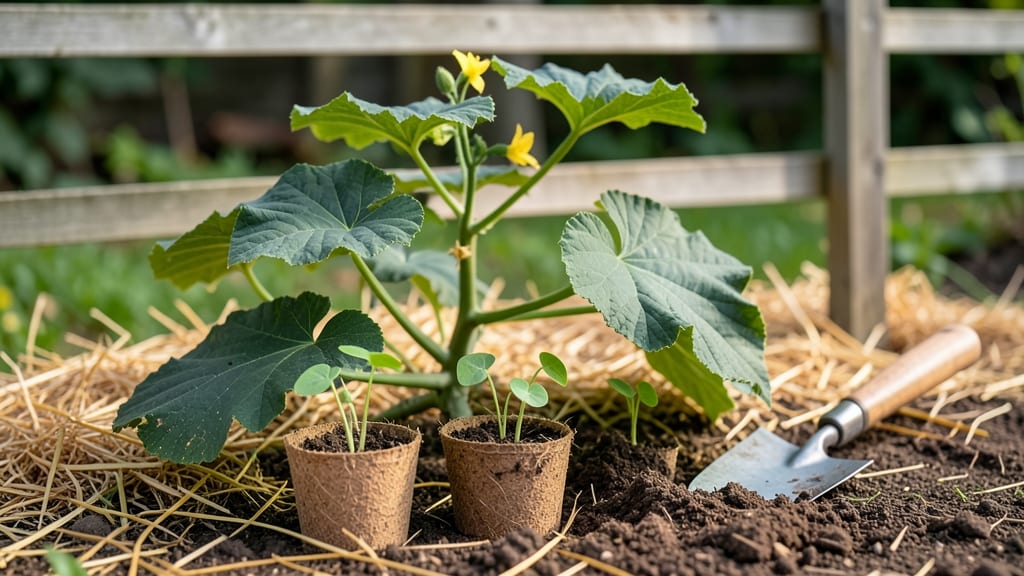
Timing your cucumber planting in North Carolina can make the difference between a thriving garden and a sad pile of frost-nipped seeds—especially when you're working with USDA zones 7a-8b and unpredictable spring weather.
If you've ever rushed to plant your 🥒 cucumbers only to watch them wilt from a late frost, you know how frustrating it can be. The key isn't just waiting until April 15—it's understanding your local microclimate, soil temperatures, and the exact frost-free window for your specific region in NC.
In this guide, I'll walk you through the soil temperature checklist that separates successful harvests from disappointment, plus regional adjustments for Piedmont, Coastal, and Mountain areas. You'll learn how to extend your growing season and avoid common mistakes that kill seedlings.
Ready to turn your cucumber dreams into a reality? Let's dive into the exact steps you need to plant at the perfect time—so you can enjoy fresh, homegrown 🥒 cucumbers from June to September without a hitch.
NC-specific frost dates and soil temperature requirements for cucumber seeds
North Carolina’s diverse climate—from the Coastal Plain to the Mountains—means your cucumber planting window can vary by 3-4 weeks depending on your location. The last frost date typically falls between mid-March (Coastal) and late April (Mountains), but soil temperature is the true game-changer for cucumbers.
These heat-loving plants need soil temps above 60°F to germinate and thrive, with ideal conditions between 60-90°F. Planting too early in cold soil leads to slow germination, weak seedlings, and fungal diseases—so don’t rush!
To pinpoint your exact planting window, check the NC State Extension’s frost maps (like the one for USDA Zones 7a-8b) and monitor soil temperature with a simple soil thermometer (available at garden centers for under $10).
For most of NC, mid-April to early May is the sweet spot, but Coastal areas can start as early as late March, while Mountain regions may wait until mid-May. Always confirm with your local agricultural extension office for hyper-local advice.
Here’s the critical rule of thumb: Wait until soil temps consistently stay above 60°F for 5+ days in a row. In NC, this usually aligns with Mother’s Day weekend in the Piedmont, but cooler years can push it to late May.
Pro tip: Use black plastic mulch 1-2 weeks before planting to warm the soil faster—this can shave off 7-10 days of waiting time.
| NC Region | Avg. Last Frost | Ideal Planting Window | Soil Temp Requirement | Microclimate Tips |
|---|---|---|---|---|
| Coastal Plain (e.g., Wilmington) | Mid-March | Late March–Early April | 60–70°F | Humidity risks; use raised beds for drainage. |
| Piedmont (e.g., Raleigh) | Early April | Mid-April–Early May | 65–80°F | Moderate temps; perfect for bush varieties. |
| Mountains (e.g., Asheville) | Late April | Mid-May–Early June | 70–85°F | Shorter season; opt for fast-maturing varieties. |
🌡️ Pro Tip: Coastal areas can plant 2-3 weeks earlier than Mountains due to warmer microclimates.
If you’re eager to start earlier, pre-sprouting seeds indoors (4-6 weeks before your target date) is a smart move. Use biodegradable pots and seed-starting mix to avoid transplant shock.
Once seedlings have 2-3 true leaves and soil temps hit 60°F, transplant them outdoors—hardening off for 5-7 days beforehand to toughen them up.
For direct sowing (my preferred method), drop seeds 1 inch deep and 3-4 feet apart in rows 5-6 feet apart to give vines room to sprawl.
Watch for soil temp dips after planting—even a single night below 50°F can stunt growth. In NC’s unpredictable springs, I’ve lost entire cucumber patches to late frosts (yes, even in May!).
To hedge your bets, plant successionally: Start with half your seeds at the ideal time, then add another 2-3 weeks later for a staggered harvest. This ensures you’re not left with bolted plants (bitter cucumbers) or overwhelmed vines all at once.
For heat-tolerant varieties, consider ‘Straight Eight’ or ‘Marketmore’—these thrive in NC’s summer humidity and can handle short heatwaves better than standard types. Pair them with trellises to improve airflow and reduce powdery mildew (a common NC cucumber foe).
And if you’re in the Coastal Plain, raise beds to avoid soggy, fungal-prone soil—this area’s clay-heavy soils can suffocate roots if not amended with compost or sand.
Finally, track your local conditions with tools like the NC Climate Office’s frost probability maps or a home weather station. I swear by my AcuRite—it’s saved my tomatoes (and cucumbers) from false starts more times than I can count.
By aligning your planting with soil temps, frost data, and regional quirks, you’ll go from watching seeds rot to picking crisp cucumbers by July. Trust the science, not the calendar!
🌱
How to extend your cucumber growing season in North Carolina’s short summers
North Carolina’s summers are short but intense, with humidity levels that can stress cucumber plants if not managed properly. The key to a longer harvest lies in extending both the early and late-season growing windows.
I’ve found that using seasonal extensions like row covers and cold frames can add 3-4 extra weeks of productive growth—critical for varieties like ‘Straight Eight’ and ‘Marketmore’, which thrive in NC’s heat.
For early starts, begin with hardened-off seedlings in mid-April (after the last frost date) and protect them with floating row covers. This creates a microclimate that warms soil faster and shields tender plants from late spring frosts.
I’ve seen 2-3 week earlier harvests using this method in the Piedmont region, where nights can still dip below 50°F in May.
Here’s how to maximize your cucumber season in NC:
In Coastal NC, where summers are hotter and more humid, focus on succession planting and shade cloth—these areas can see temperatures above 90°F by July, which stresses cucumbers.
Meanwhile, in the Mountains, where nights stay cooler, row covers and early starts are your best bets for a longer harvest window. I’ve had success in Asheville by planting as late as June 1 with full sun and daily watering.
Don’t forget to monitor soil moisture—cucumbers in NC’s heat need deep watering every 1-2 days, especially when fruits are developing. A mulch layer (straw or black plastic) helps retain moisture and keeps roots consistently cool, which is crucial for fruit set in our humid summers.
With these strategies, you can turn NC’s short growing season into a 6-8 week cucumber feast instead of a 4-week sprint.