
Flowers
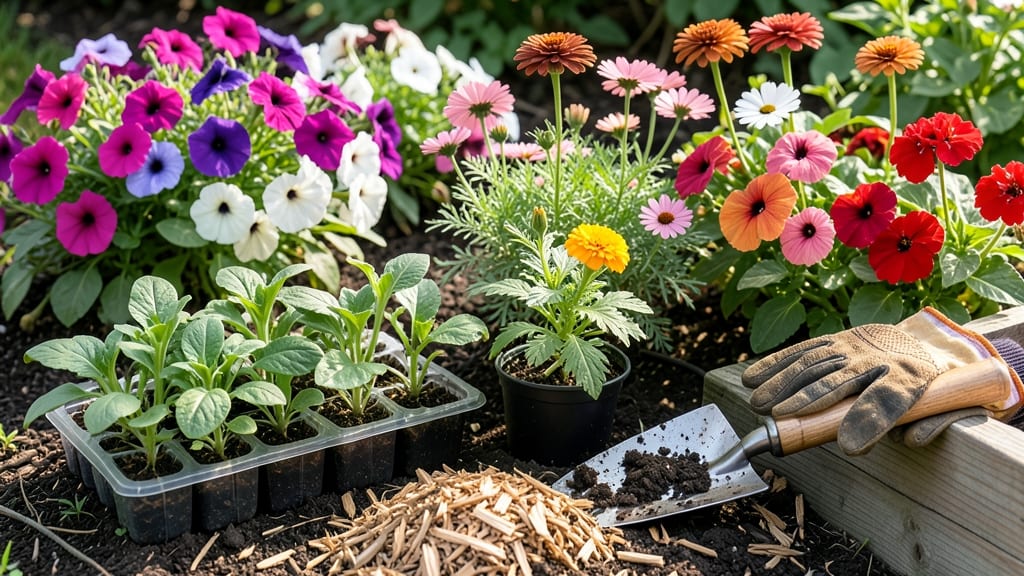
Timing when to plant flowers in St. Louis just right can mean the difference between a vibrant garden and a sad, frost-nipped disappointment. The city’s 6a climate demands precision—plant too early, and a late freeze (like the one that hit April 15th last year) can wipe out your hard work.
But here’s the good news: with the right schedule, you can enjoy blooms from spring through fall without guessing. Whether you’re planting perennials, annuals, or bulbs, knowing the exact months to get them in the ground is the key to success.
I’ll break it down by variety so you can avoid frost risk and maximize your garden’s potential.
From cool-season favorites like pansies to heat-lovers like coneflowers, each type has its own ideal window. You’ll learn when to start seeds indoors, when to transplant outdoors, and even how to extend your blooming season with smart planting tricks. No more second-guessing—just a foolproof plan tailored for St. Louis.
Let’s dive into the exact months you should be planting, so your garden thrives all season long. Ready to turn your green space into a showstopper? Let’s get started.
St. louis planting calendar: exact months for perennials, annuals, and bulbs
St. Louis’s USDA Zone 6a/6b climate means frost dates are critical—your average last frost is April 15, while the first frost typically hits October 15. This 165-day frost-free window dictates when to plant for zero risk of frost damage.
Annuals, perennials, and bulbs each have ideal windows to ensure vibrant blooms all season.
For spring planting, focus on March–April after the last frost. If you’re planting perennials, early fall (September–October) gives roots time to establish before winter. Bulbs like tulips and daffodils, however, should go in October for spring blooms. Timing these correctly ensures your garden thrives without frost surprises.
Here’s your month-by-month breakdown for popular St. Louis flowers, accounting for frost risk and seasonal transitions:
| Flower Type | Best Planting Months | Notes |
|---|---|---|
| Annuals (e.g., Marigolds, Petunias, Zinnias) | April–May (after last frost) | Direct sow or transplant; heat-tolerant varieties preferred. |
| Perennials (e.g., Coneflowers, Black-Eyed Susans, Daylilies) | March–April OR September–October | Spring for blooms this year; fall for next year’s growth. |
| Spring-Blooming Bulbs (e.g., Tulips, Daffodils, Hyacinths) | October (6–8 weeks before frost) | Plant in well-draining soil; mulch after planting. |
| Fall-Blooming Bulbs (e.g., Crocus, Allium) | September–October | Early fall planting ensures spring emergence. |
| Cool-Season Annuals (e.g., Pansies, Snapdragons, Violas) | September–October (for fall/winter blooms) | Tolerates light frost; ideal for late-season color. |
St. Louis’s humidity and summer heat also play a role. Heat-tolerant annuals like zinnias and cosmos should wait until May to avoid wilting in early summer. Meanwhile, perennials planted in fall benefit from cooler soil temps, which reduce stress and encourage root growth before winter.
Pro tip: Use row covers or cold frames to extend your planting window for tender annuals. This lets you start seeds indoors in February and transplant outdoors after the last frost. Just be sure to remove covers once nighttime temps stay above 50°F to avoid overheating.
For bulbs, timing is everything. Planting tulips in October ensures they bloom in April–May, while daffodils planted the same month will push through snow for early color. Both need 6–8 weeks of cold to trigger flowering, so don’t wait until November.
If you’re new to St. Louis gardening, test your soil pH before planting—most flowers prefer 6.0–7.0. Amend with compost if your soil is heavy clay, which is common in the region. Well-draining soil is non-negotiable for bulbs to prevent rot.
Remember: Succession planting keeps your garden blooming all season. After your April–May annuals fade in July, replace them with heat-loving varieties like sunflowers or black-eyed Susans. This strategy maximizes your garden’s potential without gaps in color.
St. Louis’s microclimates can also affect planting. South-facing gardens warm up faster, while north-facing areas stay cooler. Adjust your schedule accordingly—if your yard is shadier, cool-season flowers like pansies may thrive longer into summer.
Finally, keep an eye on your local weather forecasts in April and October. A late frost in May can still sneak up, so have row covers ready for sensitive plants like petunias. With this schedule, your St. Louis garden will burst with color—frost-free and fabulous.
Best flowers to plant in St. louis by season: heat-tolerant vs. cool-season picks
St. Louis’s humid summers and mild winters create a unique growing climate where some flowers thrive in scorching heat while others prefer cooler temperatures. Knowing which flowers to plant in spring, summer, and fall ensures your garden stays vibrant year-round without frost damage or wilting.
For spring planting, focus on cool-season annuals like pansies and snapdragons, which tolerate light frosts and bloom early. These varieties love March and April—just 6 weeks before your last frost date (April 15)—giving them time to establish roots before summer heat arrives.
🌿
🌸 Pansies | Tolerate light frost, bloom early spring.
🌷 Snapdragons | Heat-sensitive, plant before June.
🌼 Sweet Alyssum | Drought-tolerant, attracts pollinators.
🌻 Black-Eyed Susans | Drought-resistant, thrive in full sun.
🌹 Zinnias | Fast-growing, cut-and-come-again blooms.
🌺 Coneflowers | Heat-loving, low-maintenance perennials.
🌿 Mums (Chrysanthemums) | Cool-season bloomers, plant 6 weeks before frost.
🌼 Asters | Late-season nectar, attract butterflies.
🌷 Sweet William | Fragrant, long-lasting cut flowers.
🌸 Daylilies | Tough as nails, bloom spring to fall.
🌿 Hostas | Shade-loving, low-light hero.
🌺 Russian Sage | Drought-proof, purple spikes.
If you’re planting in summer, opt for heat-tolerant annuals like marigolds or sunflowers, which can handle St. Louis’s July temperatures (often 90°F+). These varieties need well-draining soil and consistent watering to avoid stress.
For fall planting, September is ideal—give cool-season flowers like pansies and kale time to establish before October’s first frost (around October 15). Mulch heavily to protect roots from temperature swings and early cold snaps.
🌱