
Flowers
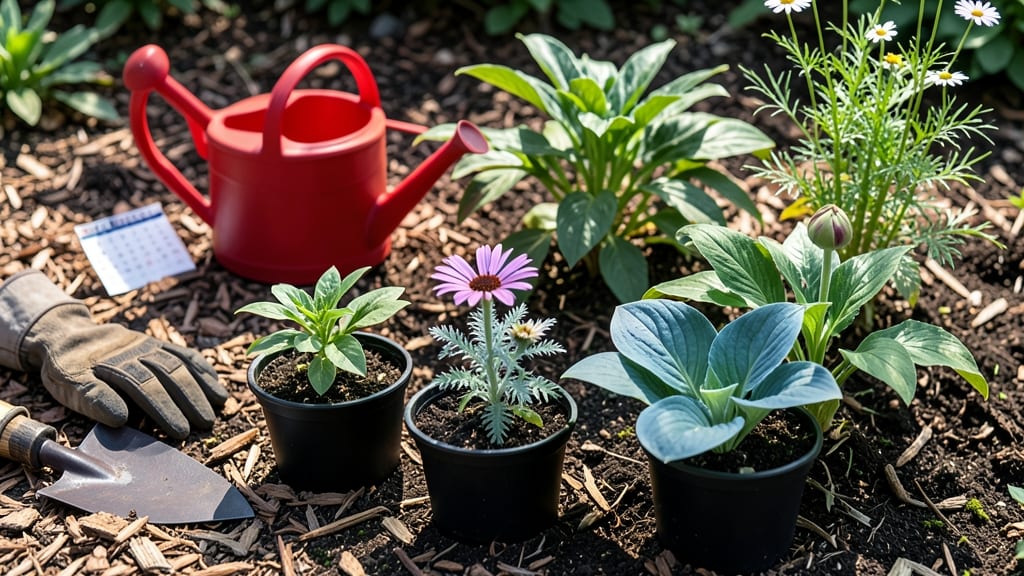
Planting flowers in Pittsburgh at the wrong time can mean the difference between a showstopping garden and a sad, frost-nipped disappointment. With USDA Zone 6b’s unpredictable swings—from late April frosts to sudden summer heat—timing is everything for 🌸 that last all season.
You’ve probably heard the advice to wait until after the last frost, but in Pittsburgh, that’s not always enough. The perfect window depends on whether you’re planting annuals, perennials, or bulbs—and even then, microclimates (like city heat islands) can shift your schedule by weeks.
I’ve tested what works in my own Pittsburgh garden, and the secrets aren’t just about dates—they’re about soil prep, hardy varieties, and knowing when to replant if Mother Nature throws a curveball. Let’s break down the exact months to plant for maximum blooms, no matter what the forecast says.
From early spring pansies to late-summer mums, you’ll discover which flowers thrive in Pittsburgh’s short season—and how to stretch their beauty from April through October. Ready to turn your garden into a year-round paradise?
Pittsburgh flower planting calendar by season: exact months for annuals, perennials, and bulbs
Pittsburgh’s USDA Zone 6a-6b climate demands precision when planting flowers. The last frost date typically falls between April 15–May 1, but microclimates—like city heat islands—can shift this by weeks. Understanding these windows ensures your annuals, perennials, and bulbs thrive without frost damage or missed blooms.
For spring-blooming bulbs like daffodils and tulips, planting in October or November gives roots time to establish before winter. Meanwhile, cool-season annuals (e.g., pansies, snapdragons) can go in as early as late February to March, while warm-season favorites (e.g., marigolds, petunias) wait until after May 1.
Perennials like coneflowers and black-eyed Susans should be planted in early spring (April) or fall (September) to avoid transplant shock. Fall planting also allows roots to grow undisturbed during winter, leading to earlier and more robust blooms the following year.
🌱 Pittsburgh Flower Planting Calendar
| Season | Plant Type | Ideal Planting Month | Notes |
|---|---|---|---|
| Spring | Annuals (cool-season) | Late February–March | Use row covers for frost protection. |
| Spring | Perennials | April–May (after last frost) | Avoid transplant shock with deep watering. |
| Summer | Annuals (warm-season) | May–June (after soil warms) | Mulch to retain moisture. |
| Fall | Bulbs (spring-blooming) | October–November | Plant 6–8 weeks before first frost. |
| Fall | Perennials | September | Encourages root growth before winter. |
Summer planting in Pittsburgh peaks in June and July for heat-loving annuals like zinnias and cosmos. These varieties tolerate the region’s humidity and occasional heatwaves, making them ideal for extending your garden’s bloom time into early fall. Just ensure soil stays consistently moist during dry spells.
Fall is your second chance for perennials and spring-blooming bulbs. Planting in September gives roots time to establish before the ground freezes, often resulting in larger, hardier plants the following year. For late-season annuals like mums and asters, aim for mid-August to early September to enjoy fall color.
Pittsburgh’s first frost typically arrives around October 15, but urban areas may experience frost 2–3 weeks earlier. Use this timeline to plan succession planting: Replace frost-sensitive annuals with cold-hardy varieties like kale or ornamental cabbage to keep your garden vibrant until winter.
Pro tip: Monitor NOAA Pittsburgh forecasts for real-time updates on frost dates. If an unexpected freeze is predicted, cover tender plants with frost cloth or row covers to protect them until temperatures rise. This simple step can save your early spring or late fall plantings from damage.
For container gardens, adjust planting times slightly earlier in spring and later in fall, as pots warm up faster than soil. This gives you a 2–3 week extension for both cool- and warm-season flowers, maximizing your blooms all season long.
🌸
How to adjust planting times for Pittsburgh’s unpredictable weather: frost-proofing tips and backup plans
Pittsburgh’s last frost dates can swing by weeks, leaving gardeners scrambling to protect tender plants. I’ve learned the hard way—one late frost in May can wipe out months of effort. The key is flexibility: monitor forecasts, use protective tools, and choose resilient varieties that bounce back from temperature swings.
Row covers are my go-to for extending spring planting. Lightweight fabric (like frost cloth) raises soil temps by 4–8°F, letting me plant annuals like marigolds 2–3 weeks earlier. For even earlier starts, a cold frame buys 4–6 extra weeks of growing time—perfect for cool-season flowers like pansies or snapdragons.
⚠️ FROST WARNING
Never plant heat-lovers (like impatiens) before May 15—Pittsburgh’s urban heat islands can still drop to 28°F in sheltered areas. Check NOAA Pittsburgh forecasts for overnight lows; if temps dip below 35°F, cover plants immediately or replant.
Heat-tolerant annuals like zinnias or cosmos are my backup plan for late starts. These thrive in summer’s 90°F+ heat and even handle brief droughts. I sow them directly after June 1 for foolproof blooms—no frost risk, just consistent color.
For fall planting, mums and asters planted in early August often outlast early frosts.
Microclimates matter too. South-facing walls or black mulch can warm soil by 10°F, letting me plant tender perennials like lavender 1–2 weeks earlier. But shaded spots? Stick to cold-hardy flowers like foxglove or columbine—they’ll survive accidental frosts.
My replant rule: If frost hits before May 15, hold off on tender annuals until June 1. For perennials, wait until soil temps hit 55°F (use a soil thermometer—they’re cheap and lifesavers). And always keep a pack of seed packets handy for last-minute replanting.
💡 PRO TIP
Hardening off seedlings (acclimating them to outdoor temps) takes 7–10 days. Start 2 weeks before transplanting to avoid shock—especially critical in Pittsburgh’s windy spring conditions.
For bulbs, fall planting is non-negotiable. Tulips and daffodils need 6–8 weeks of cold to bloom—plant them by October 15 to ensure next spring’s show. And if you’re container gardening, move pots to sheltered spots or wrap them in bubble wrap for extra insulation.
Final backup plan: Keep pansies or sweet peas in pots on a porch or balcony. They’ll bloom all season long, no matter what Mother Nature throws at your in-ground garden. 🌸