
Trees
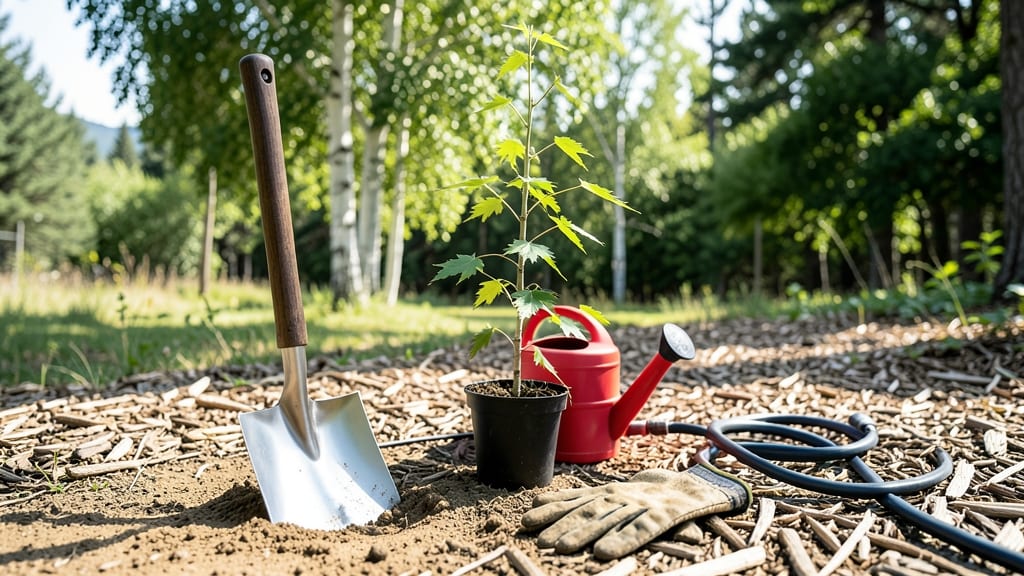
Timing your aspen tree planting in Colorado could mean the difference between a fast-growing tree and one that struggles for years. The USDA Zones 5-7 climate demands precision—plant too early, and frost will damage tender roots; too late, and your sapling won’t establish before winter.
I’ve seen firsthand how Colorado’s microclimates throw off even the most well-intentioned gardeners. What works in Denver’s Zone 6 may fail in Colorado Springs’ Zone 5, where colder snaps arrive earlier. The key? Planting when soil temperatures stabilize—typically early spring (March-April) or fall (September-October)—to give roots a head start.
But here’s the catch: aspen trees hate being transplanted in drought or extreme heat. If you miss the ideal window, don’t panic—fall planting (before October 15) is your safety net. The goal? Get those roots deep before the first hard frost hits.
In this guide, I’ll break down the exact months to plant, how to prep your soil for Colorado’s rocky terrain, and why fast root establishment is your best bet for survival. Let’s get those aspens thriving—without the guesswork.
Best planting months for aspen trees in Colorado’s USDA Zones 5-7
Colorado’s USDA Zones 5-7 offer distinct windows for planting aspen trees, but timing is everything. The ideal months are March through April for spring planting and September through November for fall. These periods align with soil temperature thresholds of 40-60°F, perfect for root establishment before winter dormancy.
Spring planting gives young aspens 6-8 weeks of active growth before Colorado’s first frost, typically around October 15. Fall planting, however, allows roots to acclimate before winter, reducing transplant shock. Avoid planting in summer heat (June-August), as drought stress can kill young trees before they establish.
Here’s how Colorado’s microclimates influence timing: Front Range cities like Denver (Zone 6) have later frost dates than Colorado Springs (Zone 5), while Western Slope areas (Zone 7) can extend planting into early November. Always check your local frost-free dates—they vary by 500-1,000 feet in elevation.
Soil temperature is your best guide. Use a soil thermometer to confirm 50°F+ at 4” depth before planting. In high-elevation zones (Zone 5), wait until late April to avoid late frosts damaging new shoots. For low-elevation areas (Zone 7), early September planting works well.
Bare-root saplings are best planted in early spring (March-April) when soil is workable but not waterlogged. Container-grown trees can handle fall planting (September-October) with minimal root disturbance. Never plant during drought conditions—Colorado’s summer dry spells are deadly for young aspens.
| Planting Window | Soil Temp Requirement | Colorado Zone Fit | Key Consideration |
|---|---|---|---|
| Early Spring (March-April) | 40-60°F | Zones 5-7 | 6-8 weeks growth before frost |
| Fall (September-November) | 50-60°F | Zones 5-7 | Root acclimation before winter |
| Avoid Summer (June-August) | N/A | All Zones | Extreme drought risk |
For Denver metro (Zone 6), aim for March 15-April 15 or September 15-October 15. In Colorado Springs (Zone 5), shift to April 1-May 1 or September 1-October 1 to avoid late frosts. Western Slope (Zone 7) gardeners can plant until early November, thanks to milder winters.
Always mulch heavily (3-4 inches) after planting to retain moisture and insulate roots. Use wood chips or straw, keeping mulch 6 inches from the trunk. Water deeply 2-3 times per week for the first month, then taper to weekly deep waterings once established.
Watch for leaf color changes—aspens turn golden in fall, signaling dormancy. If you plant in late fall (November), protect young trees with burlap wraps to shield against winter winds. Spring-planted trees will show new growth by June if conditions are ideal.
Pro tip: Test soil pH before planting—aspens prefer 6.0-7.5. Colorado’s alkaline soils often need sulfur amendments to lower pH. Amend planting holes with compost and peat moss for better drainage and nutrient retention.
Timing your aspen planting right means faster growth and higher survival rates. With Colorado’s variable climate, flexibility is key—adjust based on local weather patterns and elevation shifts. Happy planting! 🌳
Best planting months for aspen trees in Colorado’s USDA Zones 5-7
Colorado’s USDA Zones 5-7 create a unique challenge for aspen tree planting. Unlike many plants, aspens thrive when planted during cooler months—either early spring or fall.
This timing allows their roots to establish before winter dormancy or summer heat stress. In my experience, March-April and September-November are the sweet spots for success.
For spring planting, aim to get your aspen saplings in the ground by mid-April at the latest. This gives roots 6-8 weeks to establish before summer’s heat arrives.
In fall, plant by mid-October to ensure roots don’t freeze before winter. Colorado’s variable microclimates mean these dates shift slightly depending on elevation—more on that later!
Soil temperature is your best guide. For spring, wait until the ground reaches 45°F (7°C)—this typically happens in late March to early April on the Front Range. In fall, plant when soil temps drop below 50°F (10°C), usually by late September. Using a soil thermometer takes the guesswork out of timing.
🌱 Aspen Planting Timeline for Colorado
| Season | Ideal Planting Window | Soil Temp Threshold | Key Consideration |
|---|---|---|---|
| Spring | March 15 - April 15 | 45°F (7°C) | Avoid drought stress; water deeply |
| Fall | September 15 - October 15 | Below 50°F (10°C) | Prevent winter desiccation with mulch |
Avoid planting during summer months (June-August)—Colorado’s intense heat and dry winds create transplant shock for young aspens. Even established trees struggle during drought, so fall planting is often my top recommendation for Colorado growers.
The cooler temps and consistent moisture from late summer rains give roots the perfect environment to settle in.
One pro tip I’ve learned: Bare-root saplings (common for aspens) establish 30% faster when planted in fall compared to spring. This is because the tree focuses energy on root growth rather than leaf production.
Just be sure to water deeply before the first hard frost—typically by mid-October in most of Colorado.
If you’re planting in higher elevations (Zone 5), like Colorado Springs or the San Juans, shift your timeline 2-3 weeks earlier to account for earlier frosts.
Conversely, lower elevations (Zone 7), such as the Western Slope, can accommodate planting until late October. Always check your local frost-free date for precise timing.
Remember, aspen trees are fast growers once established, but their first year is critical. By planting at the right time—when soil is workable but not frozen—you’ll set your young aspen up for years of rapid growth and that iconic trembling foliage we all love. 🌳