
Flowers
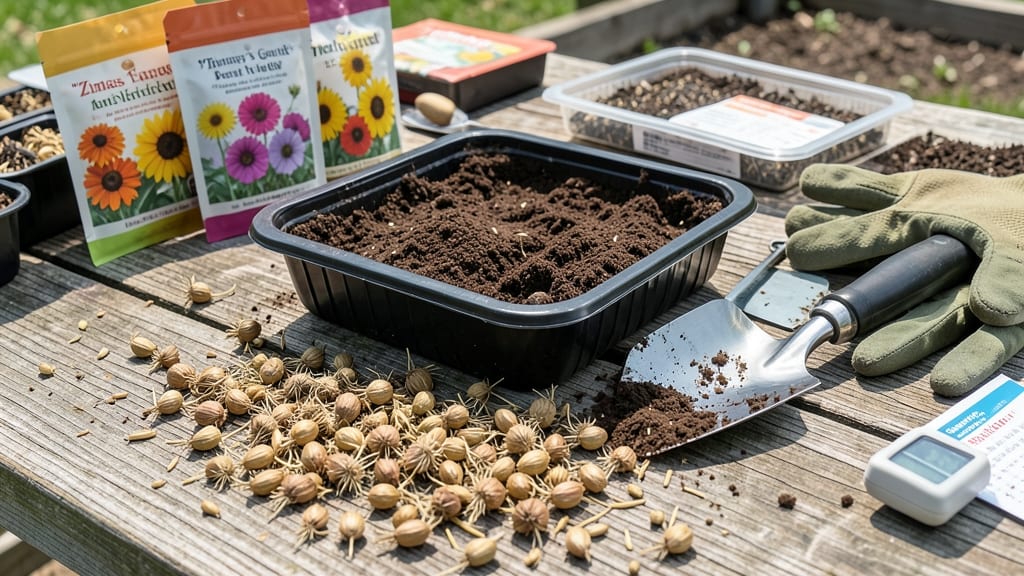
Timing your flower seeds 🌸 planting in Tennessee isn’t just about luck—it’s about unlocking a season of vibrant blooms that last from spring to fall. With USDA Zones 6B-7A offering two distinct planting windows, getting it right means the difference between a thriving garden and a missed opportunity.
Most gardeners in Tennessee know the basics—spring and fall are the prime times—but without precise timing, even the hardiest flower seeds can struggle. Whether you’re sowing zinnias in March or preparing for fall blooms in August, understanding your local frost dates and microclimates is the key to success.
In this guide, I’ll walk you through the exact planting months for Tennessee’s diverse climate, from Nashville’s urban heat to the cooler mountain regions. You’ll learn how to adjust for early starts, succession planting, and even how to protect tender seedlings from late frosts.
Ready to transform your garden into a year-round floral display? Let’s dive into the perfect timing for planting flower seeds that will thrive in your Tennessee backyard.
Best flower seed planting months in Tennessee by USDA Zone 6B-7A
Tennessee’s USDA Zones 6B-7A create a unique balance of four distinct seasons, giving gardeners two prime windows to plant flower seeds: spring and fall.
The key is understanding your last frost date—typically around mid-March in Nashville and late March in Chattanooga—while accounting for microclimates that can shift frost dates by 2-3 weeks.
For cool-season flowers like pansies and snapdragons, I start seeds 4-6 weeks before last frost—often in February for early blooms. Warm-season favorites such as zinnias and marigolds, however, need to wait until after last frost when soil temperatures hit 60°F+, usually mid-April to May.
Here’s a quick breakdown of ideal planting months for Tennessee’s most popular flowers, tailored to USDA Zone 6B (East Tennessee) and Zone 7A (Middle/West Tennessee):
| Flower Type | Best Planting Months | Notes |
|---|---|---|
| Cool-Season Annuals | February–March (indoors) / March–April (outdoors) | Pansies, snapdragons, sweet alyssum. Plant 4-6 weeks before last frost. |
| Warm-Season Annuals | April–May (after last frost) | Zinnias, marigolds, impatiens. Soil temp must be 60°F+. |
| Perennials | March–April or September | Coneflowers, black-eyed Susans. Divide clumps in fall for spring blooms. |
| Bulbs (Tulips, Daffodils) | September–October | Plant bulbs 6-8 weeks before ground freezes for spring blooms. |
| Fall-Blooming Annuals | August–September | Cosmos, sunflowers, calendula. Succession plant for late-summer color. |
In Zone 6B (e.g., Knoxville), where frosts linger longer, I delay warm-season plantings until late April to avoid late-spring frosts that can kill tender seedlings. Meanwhile, Zone 7A (e.g., Nashville) gardeners can often plant 2 weeks earlier, thanks to milder winters.
For regional adjustments, check your local frost-free date using the UT Extension Office or Almanac’s Frost Calculator. For example, Chattanooga’s last frost averages March 20, while Memphis’s is closer to March 15. These dates dictate when to move indoor starts outdoors or direct-sow seeds.
Pro tip: Use biodegradable seed starters for cool-season flowers in February to jumpstart growth. These 6-packs give seedlings a 2-3 week head start before transplanting after last frost. I swear by Heirloom Organic Seedling Plugs for pansies and petunias—they thrive under grow lights until soil warms.
Don’t overlook fall planting! Many annuals and perennials sown in August–September bloom until first frost (typically mid-November in Tennessee). Cosmos and zinnias are my go-to succession plants—I sow new batches every 3 weeks from June to August for nonstop color.
For bulbs like tulips and daffodils, timing is critical: plant them in September–October so roots establish before ground freezes. In Tennessee’s Zone 6B, bulbs need 10-12 weeks of chill to bloom—so don’t plant them too late! I mark my calendar with reminders to avoid missing this window.
Finally, adjust for elevation. Mountain regions like Great Smoky Mountains (Zone 6B) may have 2-3 weeks later frost dates than valleys. If you’re unsure, err on the side of caution—wait until after May 1 for warm-season flowers in higher elevations.
How to adjust planting times for Tennessee’s microclimates
Tennessee’s diverse geography means your Chattanooga garden might have different frost dates than your Nashville neighbor’s. Elevation, urban heat, and even nearby lakes create microclimates that shift planting windows by weeks.
For example, Great Smoky Mountains areas (Zone 6B) can have 2-3 weeks later last frosts than Middle Tennessee valleys (Zone 7A).
Start by identifying your local microclimate. Urban areas like Memphis often experience heat islands that delay frost, while rural mountain valleys may see earlier frosts. Check with your local extension office for hyper-local frost data—their records often include neighborhood-level variations not captured in general zone guides.
🌿
For succession planting, use these microclimate adjustments: In Zone 6B mountains, sow biennial flowers (e.g., foxglove, hollyhock) in late June for fall blooms, while Zone 7A valleys can plant the same seeds in early July.
Always test soil temperature with a soil thermometer—warm-season flowers need 60°F+ soil, while cool-season thrive at 40-50°F.
Pro tip: Keep a gardening journal for 2 years to track your local frost dates and adjust future planting schedules. Note when unexpected late frosts occur—these are often tied to microclimate patterns like nearby mountain valleys or urban canyons.
🌱