
Flowers
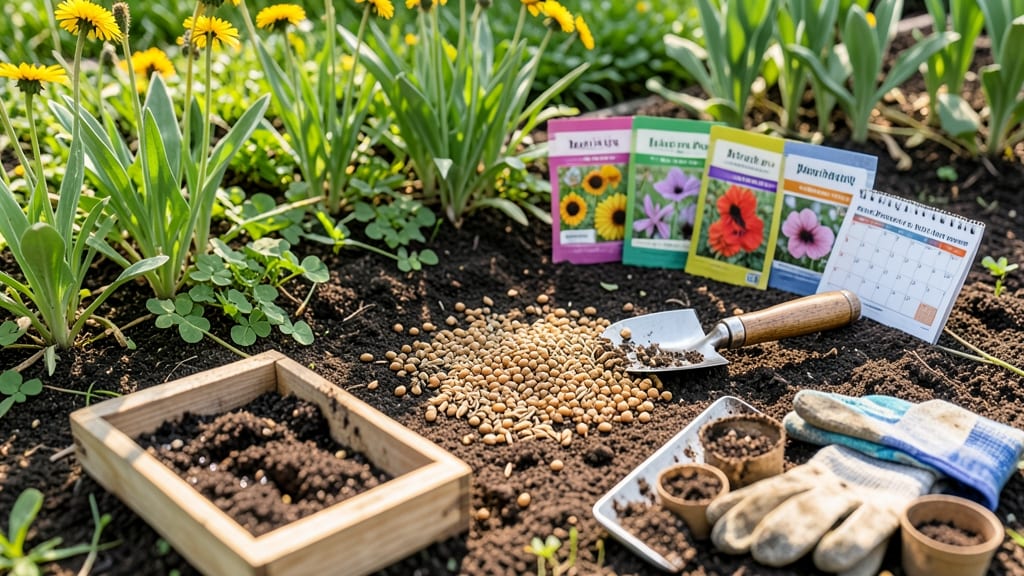
Timing is everything when it comes to planting flower seeds in Wisconsin, and getting it wrong could mean waiting months for those vibrant blooms—or worse, losing your investment to frost. With Zone 4B-5A’s short growing season and unpredictable spring weather, knowing the perfect window to sow your 🌸 flower seeds makes all the difference between a showstopping garden and a disappointment.
Most gardeners in Wisconsin wait until after the last frost date—typically mid-April in southern regions and early May in the north—but that’s just the starting point.
The real secret lies in matching your flower varieties to Wisconsin’s climate, whether you’re planting cool-loving annuals in early spring or heat-tolerant blooms for a late-summer burst of color.
I’ll break down the exact months to plant, which flowers thrive in your zone, and how to adjust for those tricky microclimates that can turn your yard into a blooming paradise.
You don’t need a green thumb to succeed—just the right timing and a few smart strategies. From preparing your soil to choosing the fastest-blooming flowers for Wisconsin’s short season, I’ll show you how to maximize your garden’s potential.
Let’s turn those flower seeds into a year-round display of color, starting with the perfect planting schedule.
Ready to skip the guesswork and create a garden that blooms from June through September? Let’s dive into the month-by-month guide that’ll have your Wisconsin landscape looking like a postcard—no matter what Mother Nature throws your way.
Wisconsin flower seed planting calendar by month: zone 4B-5A best times
Wisconsin’s Zone 4B-5A climate demands precise timing for flower seeds—plant too early and frost will kill tender sprouts, too late and you’ll miss summer blooms.
The key is aligning your planting with soil temperatures (at least 50°F/10°C) and last frost dates, which vary from late April in southern WI to early May in the north.
Most annuals thrive when sown 4-6 weeks before the last frost, while hardy perennials can handle earlier starts.
For spring planting, focus on March-May for cool-season flowers like pansies and snapdragons, while warm-season favorites (marigolds, zinnias) need to wait until after May 15 when nighttime temps stay above 55°F/13°C.
Fall planting in July-August gives biennials and hardy annuals time to establish roots before winter. Let’s break down the month-by-month calendar to maximize your blooms.
| Month | Direct Sowing Window | Indoor Start Window | Best Flowers | Soil Temp Requirement |
|---|---|---|---|---|
| March | Hardy annuals only (under frost cloth) | 4-6 weeks before last frost | Pansies, snapdragons, sweet peas | 40-50°F (4-10°C) |
| April | After last frost (late April south, early May north) | Transplant outdoors | Calendula, nasturtiums, sweet alyssum | 50-60°F (10-15°C) |
| May | Primary planting month | Direct sow warm-season starts | Marigolds, zinnias, sunflowers | 60-70°F (15-21°C) |
| June | Late-season bloomers | None (unless replanting) | Cosmos, bachelor’s buttons | 65°F+ (18°C+) |
| July-August | Fall planting for next year | 6-8 weeks before first frost | Hollyhocks, foxgloves, biennials | 55-65°F (13-18°C) |
Pro tip: Use row covers to extend your spring planting window by 2-3 weeks, protecting tender seedlings from late frosts. For northern Wisconsin gardeners (Zone 4B), err on the side of planting later—even a 5°F/3°C dip can damage young plants.
In southern WI (Zone 5A), you can push early March starts for cold-hardy varieties like larkspur or stock.
Soil prep is just as critical as timing. Amend your beds with compost to improve drainage (Wisconsin’s clay soils can suffocate seeds), and test your pH (6.0-7.0) for most flowers. A mulch layer after planting retains moisture and regulates soil temps—essential for Wisconsin’s temperature swings between day and night.
For container gardening, start seeds indoors 6-8 weeks before your last frost date, using grow lights if natural light is limited. Move seedlings outdoors gradually (a process called hardening off) to avoid transplant shock—a common mistake that stunts growth. Begin this process 10-14 days before transplanting.
Remember: Wisconsin’s short growing season (130-160 frost-free days) means every week counts. Prioritize fast-growing annuals like cosmos (30-40 days to bloom) or marigolds (45-60 days) to
Top 10 fastest-blooming flowers for Wisconsin’s short season (plant early for instant color)
Wisconsin’s short growing season demands flowers that bloom quickly—transforming your garden into a burst of color by early summer. These 10 top performers thrive in Zone 4B-5A, offering fast germination and long-lasting blooms until frost.
Start seeds indoors 4-6 weeks before your last frost date (typically mid-April to early May) for the earliest blooms.
For instant color, opt for annuals like zinnias or cosmos, which sprout in 7-10 days and bloom in 6-8 weeks. Perennials like coneflowers or black-eyed Susans establish roots quickly and reward you with years of blooms with minimal effort.
Pair these with heat-tolerant varieties like sunflowers or marigolds to extend your season until first frost.
For perennial powerhouses, coneflowers and black-eyed Susans are low-maintenance and drought-tolerant. Sow seeds directly in spring or fall for reliable blooms from mid-summer to frost. Add lupines for early spring color—they germinate in 10-20 days and thrive in poor, rocky soil, common in Wisconsin.
Pro tip: Companion planting extends your season! Pair zinnias with basil to repel pests, or plant marigolds near tomatoes for natural pest control. Mulch with straw to retain moisture and suppress weeds, keeping your garden neat and productive all season long.
With these fast-blooming varieties, your Wisconsin garden will burst into color by early June and keep going until first frost. Start early, choose wisely, and enjoy a showstopping display with minimal fuss! 🌼