
Flowers
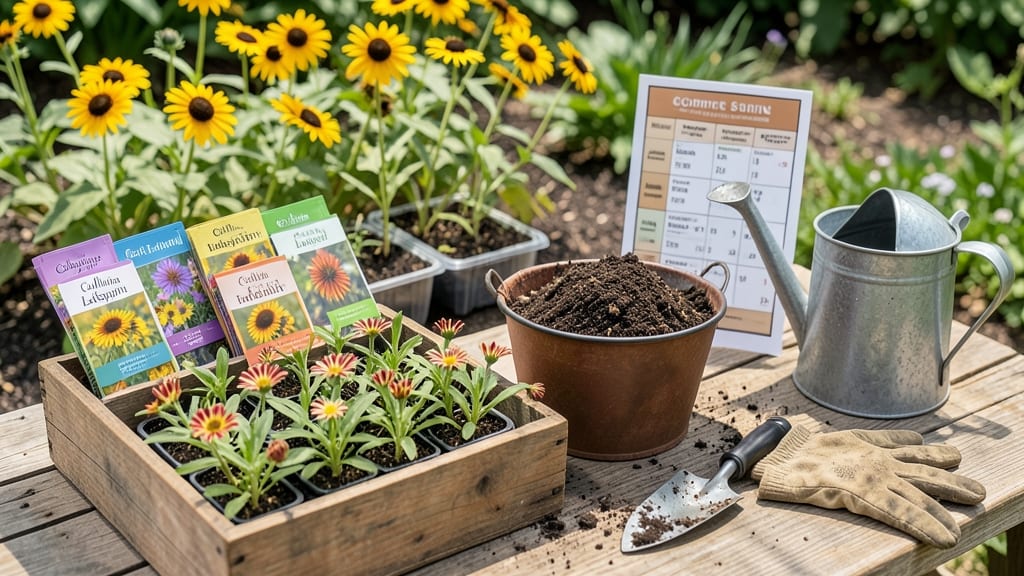
Timing your flower seed planting in Colorado can make or break your garden dreams—get it wrong, and your hard work might never even sprout. The Centennial State’s dramatic elevation shifts mean what works in Denver’s 6,000-foot valleys won’t cut it in 10,000-foot mountain towns.
I’ve spent years tracking frost dates and testing planting windows, and I’m about to share the exact schedule that’ll give you the most vibrant blooms.
Most Colorado gardeners assume "spring" means March, but the real magic happens when soil temperatures hit 50°F—not calendar dates. That could be as early as April in the Front Range or as late as June in the high country.
We’ll break down the three key elevation zones and when to plant everything from pansies to marigolds, so you’re not guessing whether your seeds will survive or shrivel.
What you’ll discover here are the microclimate secrets that turn Colorado’s short growing season into a blooming paradise. I’ll cover everything from adjusting for urban heat islands to protecting seedlings from late frosts that can still hit in May.
Whether you’re a first-time gardener or a veteran with a few failed attempts under your belt, these strategies will help you plant with confidence.
Let’s start with the one rule that’ll save you from wasted effort: never plant too early. We’ll show you exactly when to sow each type of flower—and how to stretch your season for months of color. Ready to transform your garden into a Colorado showstopper?
Colorado’s 3 elevation zones: when to plant flower seeds by altitude
Colorado’s dramatic elevation changes create three distinct planting zones—each with its own last frost dates and microclimate quirks. Whether you’re gardening in Denver’s lowlands or Aspen’s high country, knowing your zone is key to avoiding frost damage.
I’ll break down the best planting windows for each, including adjustments for urban heat islands and rural cold pockets.
First, identify your elevation range: lowlands (3,000–6,000 ft), mid-elevation (6,000–9,000 ft), or highlands (9,000+ ft). These zones dictate when to start seeds indoors or sow directly outside. For example, lowland gardeners near Colorado Springs can plant marigolds 2 weeks earlier than their highland counterparts in Leadville.
Here’s the critical rule: Wait until soil temperatures hit 40°F for cool-season flowers or 55°F for warm-season varieties. Use a soil thermometer—don’t guess! In high-altitude zones, even late May can bring unexpected frosts, while lowland areas may see 100°F+ soil temps by July, stressing heat-sensitive plants like snapdragons.
Urban gardeners in Denver or Fort Collins often face microclimate challenges like pavement heat. These areas can be 5–10°F warmer than rural spots just miles away. Adjust your planting timeline by 1–2 weeks later if your garden sits in a concrete-heavy zone.
For cool-season flowers like pansies or sweet peas, start seeds 6–8 weeks before your last frost date. In lowland zones, that means mid-February indoors, while highland gardeners should wait until early April.
Warm-season lovers like marigolds or zinnias need to wait until soil warms—typically after Memorial Day in most areas.
Pro tip: Use the Colorado State University Extension’s frost date map for hyper-local data. I’ve found their 10-year averages more reliable than generic zone calculators. For example, Boulder’s frost dates can vary by 2 weeks from nearby Longmont due to urban heat retention.
If you’re in a transition zone (e.g., 6,500–7,000 ft), err on the side of caution. Plant heat-loving flowers like sunflowers or cosmos in late May to avoid late spring frosts. And always have row covers ready—even a 28°F night can wipe out tender seedlings.
Remember: Colorado’s growing season is short but intense. By aligning your planting with your elevation zone, you’ll maximize bloom time and minimize wasted seeds. Next, we’ll dive into the best-performing flowers for each zone—including my top picks for drought-tolerant varieties that thrive in Colorado’s dry spells.
🌱
Best annual and perennial flowers for Colorado’s short growing season
Colorado’s short growing season and variable frost dates demand smart flower choices. Cool-season blooms like sweet peas and pansies thrive in early spring, while marigolds and zinnias shine in summer heat. Perennials like coneflowers and black-eyed Susans offer long-lasting color with minimal effort.
For cool-season flowers, start seeds indoors 6-8 weeks before your last frost date. In lowland zones (3,000–6,000 ft), this means early March, while highland areas (9,000+ ft) should wait until April. Warm-season flowers like cosmos and sunflowers can be direct-sown after soil warms to 50°F+.
🌱 Pro Tip: Use succession planting for continuous blooms—sow fast-growing annuals like nasturtiums every 2-3 weeks from May to July.
| Flower Type | Planting Time | Best For | Notes |
|---|---|---|---|
| Sweet Peas | March–April (indoors) | Cool-season blooms | Cold-hardy, great for trellises |
| Marigolds | May–June (after frost) | Warm-season color | Deter pests, drought-tolerant |
| Coneflowers | April–May (direct sow) | Perennial pollinators | Low-maintenance, deer-resistant |
| Zinnias | May–July (succession) | Cut flowers | Bright colors, attracts butterflies |
Perennials like black-eyed Susans and lavender are ideal for Colorado’s dry climate. Plant them in spring or early fall to establish roots before winter. Lupines and penstemon add native charm while thriving in poor, rocky soil.
Always check seed packets for days to maturity—choose varieties that bloom before your first frost. For example, cosmos (60–75 days) works better than sunflowers (90+ days) in high-altitude areas.
For container gardening, opt for compact varieties like dwarf marigolds or petunias. These thrive in 5-gallon pots with well-draining mix and consistent watering.