
Plants
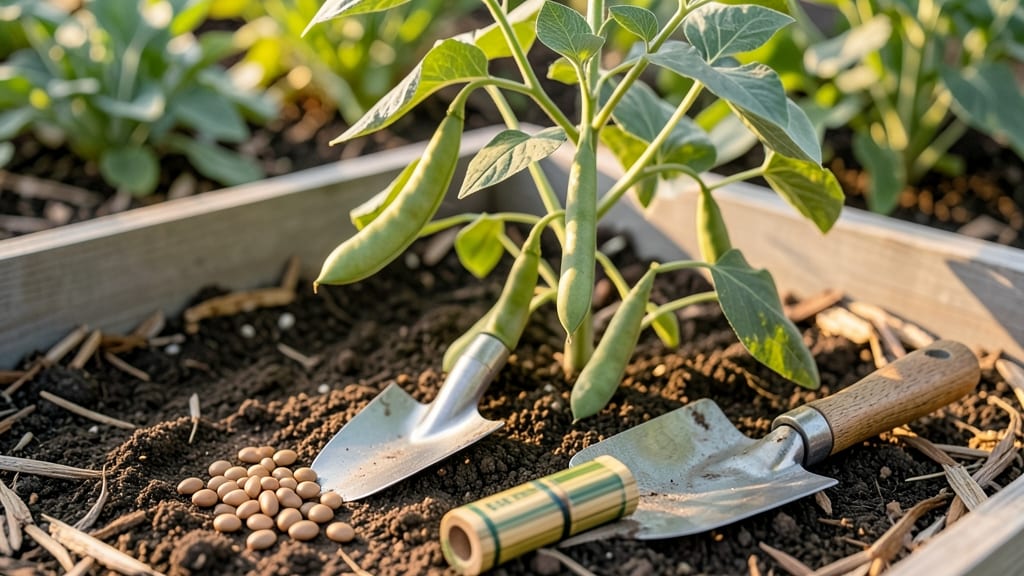
If you're wondering when to plant fava beans in Zone 8, timing is everything—get it wrong, and you might end up with stunted plants or missed harvests. This cool-season crop loves the mild winters of Zone 8, but it needs the right window to thrive before summer heat arrives.
Fava beans, or 🌱 broad beans, are best sown in two key periods: late fall (September-October) or early spring (February-March). These windows give them time to establish roots before the heat of summer slows growth.
In Zone 8, where last frosts linger until mid-December, fall plantings have a head start on spring.
Why does this matter? Because fava beans take 60-90 days to mature, and planting too early or late can mean smaller yields—or worse, no harvest at all. I’ll show you exactly how to align your planting schedule with Zone 8’s microclimates for the best results.
From soil prep to frost timing, here’s how to set your fava beans up for success—so you’re harvesting plump pods by late winter or early summer instead of scrambling for a second chance.
Optimal planting times for fava beans in Zone 8’s cool season
Fava beans love Zone 8’s mild winters, but timing is everything. Unlike heat-loving crops, these cool-season legumes thrive when soil temps hover between 50-60°F. Plant too early, and you risk rot from winter rains; too late, and summer heat stunts growth.
My perfect planting window spans September through October for fall harvests or February through March for spring yields.
Zone 8’s last frost date typically falls around December 15, while the first frost arrives by January 15. This means fall-planted beans get 60-90 days of cool growth before winter slows them down.
Spring plantings, on the other hand, need to beat the heat stress that arrives by May.
For maximum yield, aim to harvest before June 1. Fall plantings give you late-winter pods (February-March), while spring plantings deliver early-summer harvests (June-July). The key is soil temperature—wait until it cools below 70°F to avoid germination issues.
| Planting Window | Ideal Soil Temp | Frost Risk | Harvest Timeline |
|---|---|---|---|
| Late August - Early September | 60-65°F | Low (post-summer) | February-March |
| Mid-September - October | 55-60°F | Moderate (winter) | Late Winter |
| February - Early March | 50-55°F | None (spring) | June-July |
| Late March - April | 60-65°F | High (late spring) | Risk of heat stress |
My top recommendation is late September planting—this gives beans enough time to establish roots before winter while avoiding the heat stress of summer. For spring, February is ideal because soil stays cool long enough for germination before warming up.
Pro tip: Use a soil thermometer to confirm temps. If your garden runs hotter than 70°F, wait until evening to plant or use shade cloth during the hottest hours. I’ve seen beans bolt (flower prematurely) when stressed by heat, and that means bitter pods instead of sweet harvests.
For extended harvests, try a succession planting strategy: Sow half your seeds in September and the other half in February. This stretches your yield from winter through early summer—perfect for fresh eating or drying beans for later.
Don’t forget microclimate adjustments. Coastal areas stay milder, so you can plant 2-3 weeks later than inland spots. High-desert gardens, meanwhile, may need earlier plantings to avoid springtime warmth. Always check your local frost dates—they can vary by 10-14 days even within Zone 8.
One more trick: Hardening off young seedlings if you’re transplanting. Acclimate them to outdoor temps 3-5 days before setting them in the ground. I’ve lost too many tender starts to temperature shock—don’t make my mistake!
With the right timing, your fava bean patch will reward you with protein-rich pods for months. Just remember: cool soil, cool air, and patience are your best friends in Zone 8’s gardening game. 🌱
Optimal planting times for fava beans in Zone 8’s cool season
Fava beans (Vicia faba) love Zone 8’s mild winters, but timing is everything. The ideal window is a 60-day cool-season stretch—either late summer to fall (September–October) or early spring (February–March). This ensures pods mature before summer heat sets in or winter frosts arrive.
Zone 8’s last frost date typically falls around December 15, while the first frost hits about January 15. Planting in September–October lets fava beans establish roots before winter, while February–March sowings align with rising temperatures for spring harvests.
Here’s the Zone 8 planting timeline broken down for maximum yield:
| Season | Planting Window | Temperature Range | Harvest Window |
|---|---|---|---|
| Fall | Late August–October | 50–65°F (10–18°C) | February–March |
| Spring | February–March | 55–60°F (13–16°C) | June–July |
For fall plantings, aim for 60–75 days before your first frost. In Zone 8, this means sowing by mid-October at the latest. Spring plantings should happen 8–10 weeks before last frost, so late February is ideal in most of Zone 8.
If you’re in a cooler microclimate (e.g., higher elevations), push fall plantings to early September to avoid early frosts. Conversely, warmer coastal areas can extend fall sowings to mid-October. Always check your local USDA Zone 8a/8b specifics—even small temperature differences matter!
Pro tip: Soil temperature is key. Fava beans germinate best in 50–60°F soil. Use a soil thermometer to confirm before planting. If soil is too warm (70°F+), germination slows or fails.
Once planted, consistent moisture is critical. Water deeply 2–3 times per week until established, then taper to 1 inch per week. Mulch with straw to retain moisture and regulate soil temps.