
Planting
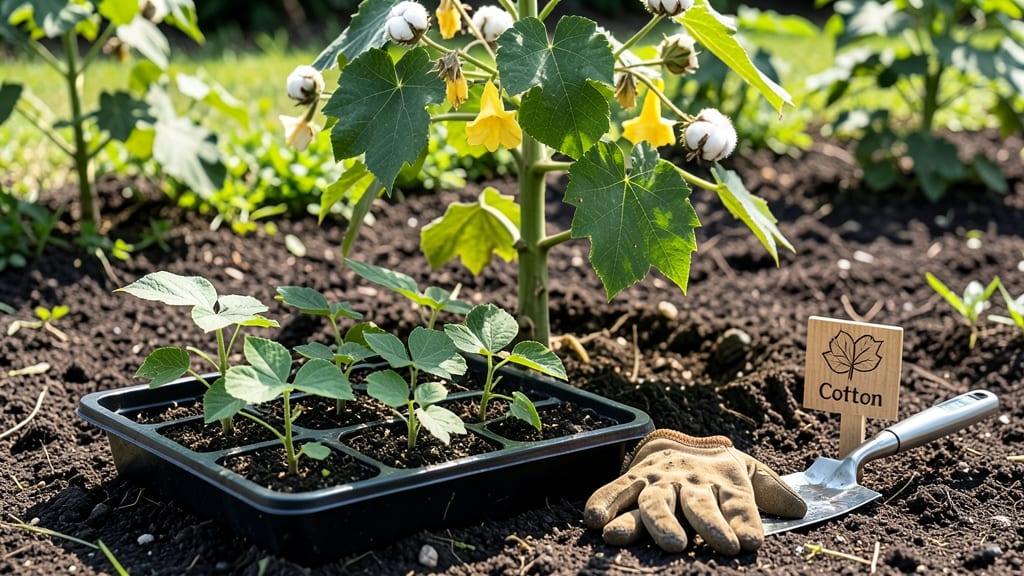
When to plant cotton in Texas isn’t just about the calendar—it’s about beating the heat and frost in your specific county. Whether you're in North Texas’s cooler 8a zones or South Texas’s balmy 10b, planting too early risks frost damage, while waiting too long cuts your yield potential. The 3-6 foot cotton plant 🧵 thrives when soil hits 60°F, but timing varies wildly across the state.
In North Texas, your window is tight—March to May—while Central and East Texas farmers have more flexibility with April to June plantings. South Texas growers can start as early as February, thanks to milder winters.
But here’s the catch: even within these ranges, local weather patterns can shift your deadline by weeks. We’ll break down exactly when to put seeds in the ground for your county’s unique climate.
This isn’t just about planting dates—it’s about setting your cotton up for success. We’ll cover soil prep, frost risks, and which varieties like Stoneville 5062B2RF or FM 986 perform best in your zone. With 150 days to harvest, every day counts. Let’s get your cotton off to the right start.
Ready to maximize your yield? You’ll leave here with a clear planting timeline tailored to your Texas heat zone, plus pro tips to handle everything from unexpected rains to scorching summers. No more guessing—just data-driven planting for peak fiber quality and boll production.
Texas heat Zone planting deadlines by county for cotton success
Texas' diverse climate means your cotton planting window depends heavily on your USDA Hardiness Zone and county location.
From the cool hills of North Texas to the tropical South Texas plains, timing your cotton seed germination with local frost patterns and soil temperatures is critical for peak boll production.
Cotton thrives in warm soil temperatures of at least 60°F (15°C), which varies dramatically across Texas. In Zone 8a counties like Lubbock, wait until late April when frost risk has passed, while Zone 10a areas like Brownsville can plant as early as mid-February.
Here’s a county-by-county breakdown of ideal planting windows based on last frost dates, soil temperature triggers, and variety maturity:
In North Texas, where frost risk lingers until mid-March, planting Stoneville varieties after April 15 ensures seeds germinate in consistently warm soil. Meanwhile, South Texas growers can start FM 986 as early as February 1 thanks to milder winters and higher soil temperatures.
For Central Texas, the 30-day window between March 20 and April 30 aligns with peak soil warmth
Texas heat Zone planting deadlines by county for cotton success
Texas' diverse climate zones mean cotton planting dates can vary by as much as 6 weeks from the Panhandle to the Rio Grande Valley. In North Texas (Zones 7-8), like Lubbock or Amarillo, wait until mid-April after soil temps hit 60°F consistently.
Meanwhile, South Texas (Zones 9-10), including Brownsville or McAllen, can start as early as late February when frost risk disappears.
Central Texas—think Austin or San Antonio (Zone 8a-8b)—offers a 3-week window from late March to early April. This region's unpredictable spring rains make precise timing critical to avoid waterlogged seeds. Always check your local frost-free date (typically March 15 for most areas) before planting.
🌱
| Region | USDA Zone | Planting Window | Soil Temp Trigger | Key Varieties |
|---|---|---|---|---|
| North Texas | 7-8 | Mid-April to early May | 60°F+ consistently | Stoneville 5062B2RF, FM 986 |
| Central Texas | 8a-8b | Late March to early April | 60°F+ consistently | Delta Pine 1646, FM 986 |
| South Texas | 9-10 | Late February to early April | 65°F+ consistently | Stoneville 5062B2RF, FM 986 |
For East Texas (Zones 7b-8a), like Tyler or Longview, aim for early April planting. This area's humidity and slower soil warming demand extra patience—rushing seeds into cold soil risks rot or poor germination. Use a soil thermometer to confirm 60°F+ before planting.
In West Texas (Zones 7b-8a), including Lubbock or Midland, focus on late April to avoid spring frost pockets. These regions often experience dryline storms, so prepare irrigation for seedling establishment. Choose drought-tolerant varieties like Delta Pine 1646 for better survival.
Pro tip: Direct-seed cotton in Texas—transplants struggle with root shock in our heat. Plant seeds 1/2 inch deep, 18-24 inches apart, and thin seedlings to 12 inches apart for optimal boll production. Mulch heavily to retain moisture and suppress weeds.
☀️