
Plants
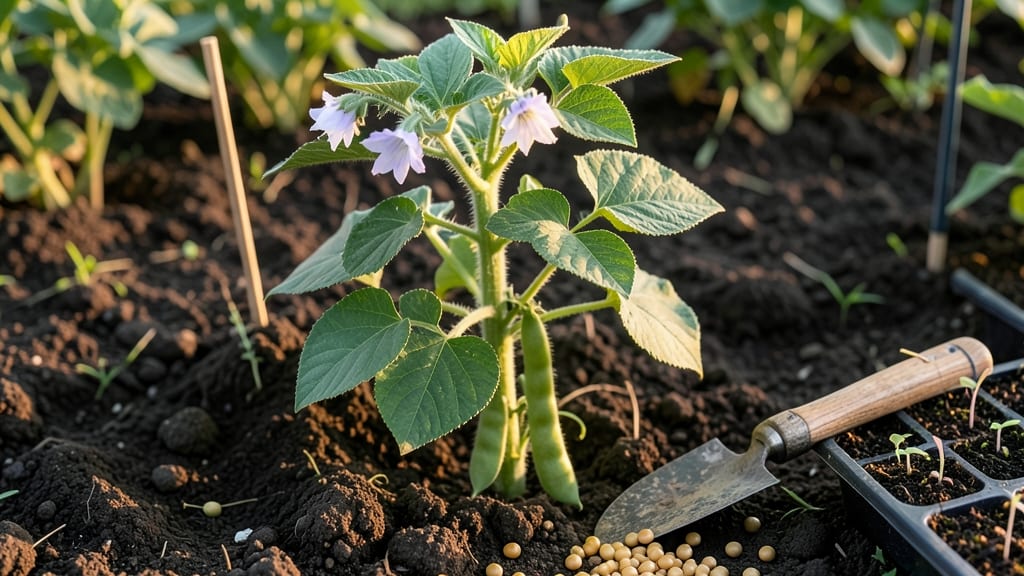
Planting soybeans in Alabama at the wrong time could mean the difference between a bountiful harvest and wasted effort. With the state's unique 7b-8b climate zones, timing matters more than you might think—especially when frost can still linger in March and summer heat arrives early.
Most Alabama gardeners know April through June is prime time, but the exact window depends on your county's microclimate. Whether you're in the cooler northern regions or the warmer southern counties, getting it right ensures your 🌱 soybeans thrive from seed to harvest.
Let me show you how to align your planting schedule with Alabama's frost patterns and heat tolerance for maximum success.
Beyond just dates, soil temperature and rainfall play critical roles in soybean growth. We'll cover how to prepare your soil, adjust for local conditions, and watch for early signs of pests or drought stress.
With the right approach, you'll be harvesting those nutrient-rich pods from September to October—just in time for fall meals.
Ready to grow soybeans like a pro? Check your local frost dates for precision, then let's dive into the county-specific planting guide that'll help you avoid common mistakes and boost your yield this season.
Alabama soybean planting zones by county: ideal dates for maximum yield
Alabama's diverse climate—from the humid Coastal Plain to the Appalachian foothills—creates unique planting windows for soybeans. Northern counties like Madison and Jackson (Zone 7b) have shorter growing seasons, while southern regions like Mobile and Baldwin (Zone 8b) enjoy extended harvest potential.
Timing your soybean varieties to these zones ensures robust growth and high yields.
For Northern Alabama, aim for mid-April to early May when soil temperatures consistently reach 60°F. Southern counties can start late March to mid-April, giving plants a head start before summer heat arrives.
Missing these windows risks frost damage or heat stress, both of which can devastate yields.
Here’s how to align your planting with Alabama’s USDA Zones 7b-8b and county-specific frost averages:
Alabama’s Black Belt region, known for its clay-heavy soils, often requires earlier planting (late March) to avoid waterlogged conditions. In contrast, sandy Coastal Plain soils dry out faster, allowing later starts (up to mid-May) if irrigation is available.
Always verify your local frost dates—even a few degrees can mean the difference between success and failure.
For urban gardeners in cities like Huntsville or Montgomery, container-growing soybeans extends flexibility. Use heat-tolerant varieties like ‘Hill’ or ‘Bragg’ and plant in early May to avoid late-spring frosts. Microclimates near water bodies or in shaded areas may also shift your ideal window by 1-2 weeks.
Pro tip: Use a soil thermometer to confirm temperatures before planting. Soybeans won’t germinate below 60°F, and waiting for consistent warmth ensures uniform sprouting. Check Alabama’s Alabama Agricultural Statistics Service for real-time updates on heat units and rainfall trends.
Missed the ideal window? Don’t panic. Succession planting in late May or early June can still yield a harvest, though yields may be 20-30% lower. Focus on drought-resistant varieties like ‘Dare’ or ‘Lee’ if planting late in the season.
🌱
How to adjust planting dates for Alabama’s microclimates and soil conditions
Alabama’s diverse geography—from the sandy Coastal Plain to the clay-heavy Black Belt—means one-size-fits-all planting dates won’t work for soybeans. Soil type, rainfall patterns, and even urban microclimates can shift optimal timing by weeks.
For example, southern counties like Escambia may start as early as mid-April, while northern regions like Marshall might wait until late April to avoid frost. The key is matching your soil’s temperature and moisture to the variety’s needs.
Soil temperature is non-negotiable: soybeans need consistent warmth above 60°F to germinate. Use a soil thermometer to confirm—cool, wet soils in spring can delay germination by 2+ weeks. In clay soils (common in the Black Belt), wait until the soil dries slightly post-rainfall to prevent waterlogging, which stunts root growth.
Meanwhile, sandy soils in the Coastal Plain dry faster, so plant earlier but monitor moisture closely.
Planting after June 15 in Alabama risks:
- Shorter daylight → Smaller yields
- Heat stress → Flower drop in varieties like Bragg or Davis
- Pest pressure (e.g., soybean loopers) peaks in late summer
Microclimates add another layer. Urban gardens in Birmingham or Huntsville may experience heat islands—planting in late May can work if you provide afternoon shade for young seedlings. Conversely, high-elevation areas like the Appalachian foothills (e.g., Jackson County) often have 2–3 weeks later frost dates than coastal regions.
Check your local USDA zone (Alabama ranges from 7b–8b) and adjust by 1–2 weeks if your yard feels cooler or warmer than the average.
Rainfall is the wild card. Alabama’s summer thunderstorms can saturate soil overnight, delaying planting. In drought-prone years (like 2020), irrigation may be needed to maintain soil moisture post-planting.
For determinate varieties (e.g., Hutcheson), aim for May planting to finish harvest before September rains. Indeterminate types (e.g., Lee) are more flexible but risk pod rot if planted too late.
Weather forecasts are your ally. Use tools like the Alabama A&M Extension’s planting calendar or NOAA’s 14-day outlooks to time planting with stable dry periods.
For example, if a 5-day heatwave is forecasted for late May, hold off until temperatures drop below 90°F to avoid seedling stress. Morning planting (before 10 AM) minimizes heat shock, especially for sensitive varieties like Bragg.
Finally, soil preparation can buy you time. Amending clay soils with sand or compost improves drainage, while adding organic matter to sandy soils retains moisture—both extend your planting window. For urban gardeners, raised beds warm up faster in spring, allowing earlier planting by 10–14 days compared to in-ground plots.
Always test your soil’s pH (6.0–6.5 ideal) and nitrogen levels before planting to avoid nutrient delays.