Planting
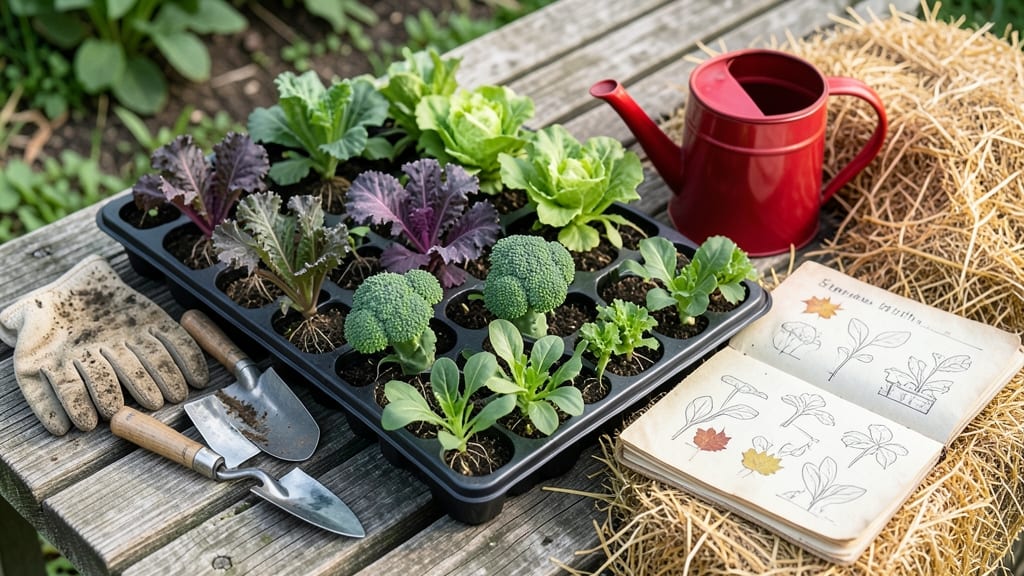
Knowing when to plant a fall garden in Central Texas could mean the difference between a thriving harvest and wilted disappointment—especially when summer’s last heatwave still lingers. You’ve got just a narrow window to beat the 90°F+ temperatures while giving plants enough time to mature before frost hits around mid-November.
Most gardeners in Zone 8a-8b rush to plant too early, only to watch seedlings struggle under relentless sun. The key? Start 6-8 weeks before the first frost—typically mid-October—but choose heat-tolerant varieties that can handle late-summer stress.
I’ll show you exactly which crops to prioritize and how to stretch your growing season for maximum yields.
From kale that sweetens in the cold to carrots that stay crisp, your 🌱 fall garden can be just as productive as spring—if you play by Central Texas’ rules.
Let’s break down the best planting dates, soil prep secrets, and seasonal hacks to keep your garden thriving right up until winter.
Ready to turn your backyard into a fall harvest goldmine? Grab your gloves—we’re diving into the exact timeline and plant picks that’ll make your neighbors jealous.
Central Texas fall planting timeline: exact dates for heat Zone 9a success
Timing your Central Texas fall garden starts with understanding the 90-day window between summer's last heatwave and the average first frost (November 15). Miss this window, and your seedlings will either wilt in August heat or freeze before harvest.
I’ve broken down the critical planting deadlines for vegetables, herbs, and flowers to help you avoid these pitfalls.
For Central Texas (Zone 8a-8b), the ideal planting window begins in mid-August for heat-tolerant crops and extends through early October for cooler-season varieties. The key is planting 6-8 weeks before your first frost—so if frost hits November 15, your last transplant should go in by mid-October.
This timeline ensures your plants mature before winter sets in.
Here’s how to align your planting with Central Texas’s climate quirks: Late summer often brings 90°F+ days, but nights cool rapidly. Use this to your advantage by choosing heat-tolerant seedlings in August and switching to cool-season crops by September.
For example, plant okra and sweet potatoes in August, then transition to kale and carrots by late September.
Pro tip: Check the National Weather Service’s frost prediction for your specific county. Austin’s first frost might come earlier than San Antonio’s, so adjust your timeline accordingly. I’ve planted collard greens too late in the Hill Country and lost them to an early freeze—don’t make my mistake!
Your planting timeline should also account for seedling maturity. Fast growers like bush beans (50-60 days) can handle a late start, while slower crops like cabbage (80-100 days) need an early August jumpstart. Below, I’ve mapped out the exact planting windows for each category to keep your garden thriving.
| Category | Planting Window | Key Crops | Notes |
|---|---|---|---|
| Heat-Tolerant Vegetables | Mid-August – Early September | Okra, Sweet Potatoes, Eggplant, Peppers | Plant early to beat summer heat |
| Cool-Season Vegetables | Late August – Mid-October | Kale, Carrots, Lettuce, Spinach | Avoid planting after October 1 |
| Herbs | Early September – Late September | Basil, Cilantro, Dill, Parsley | Basil struggles in cold; harvest before frost |
| Flowers | Late August – Early October | Marigolds, Zinnias, Cosmos, Snapdragons | Annuals thrive in fall blooms |
| Succession Planting | Every 2-3 Weeks (Aug–Oct) | Lettuce, Radishes, Bush Beans | Stagger plantings for continuous harvest |
The August planting window is your chance to beat the heat with heat-loving crops like sweet potatoes and okra. These varieties thrive in 90°F+ soil and can handle Central Texas’s late-summer blazes.
I’ve had success planting okra from seed in early August, and it matures just in time for fall harvests. For transplants, wait until soil temps drop below 85°F (usually after August 15) to avoid stressing seedlings.
By September, shift to cool-season crops like kale and carrots. These plants prefer 60-70°F soil and will bolt or develop bitter flavors if planted too early. I’ve learned this the hard way—lettuce planted in August turns bitter before it even bolts!
Use shade cloth (30-50%) if you must plant greens in late August to protect them from afternoon sun.
Your last planting window closes in early October. This is for fast-maturing crops like radishes (25 days) or turnips (50 days) that can reach harvest before frost. Avoid planting slow growers like cabbage after October 1—unless you’re willing to risk a frost-damaged harvest.
I’ve seen broccoli heads turn to mush overnight when frost hits too soon.
To maximize your fall garden’s success, mark your calendar for these key deadlines:
- August 15: Last day to plant heat-loving crops (okra, sweet
Top 10 heat-tolerant fall vegetables for Central Texas (that survive 90°F+)
Central Texas summers can linger well into fall, so choosing the right heat-tolerant vegetables is key to a successful harvest. The 90°F+ temperatures in late summer and early fall can stress delicate plants, but these top 10 varieties thrive even when others wilt.
I’ve tested these in my own garden, and they consistently deliver—whether you’re planting in August or September.
Start with tomatoes like ‘Heatmaster’ or ‘Solar Fire’, bred to handle high heat while still producing sweet, juicy fruit. These varieties won’t bolt or sunscald like traditional types, making them my go-to for late-summer planting.
Pair them with ‘Black Prince’ okra, which not only tolerates heat but also attracts pollinators while producing tender pods.
For leafy greens, ‘Fordhook’ Giant’ collard greens are a game-changer—they actually taste sweeter after a light frost, but they’ll handle the heat too. Plant them in late August for a head start before temperatures drop.
Another winner is ‘Black Seeded Simpson’ Lettuce, which bolts slower in heat than traditional varieties, giving you crisp leaves even in September’s lingering warmth.
Don’t overlook Southern Peas (Cowpeas) like ‘Purple Hull’, which fix nitrogen in the soil while producing tender pods. They’re drought-tolerant once established and add a unique flavor to your fall harvest.
For herbs, ‘Lemon Verbena’ and ‘Mexican Tarragon’ both handle heat beautifully, adding zesty flavors to dishes long after other herbs have faded.
Pro tip: Always mulch heavily with straw or wood chips to retain moisture and cool soil temperatures. I’ve seen 20°F differences between mulched and bare soil in peak summer—critical for seedlings. Water deeply in the early morning to reduce evaporation, and avoid overhead watering to prevent fungal issues.
These heat-tolerant varieties ensure your fall garden stays productive even when the mercury climbs. Start seeds indoors in late July for early transplants, or direct-sow in August for a quick harvest before winter sets in.
With the right choices, you’ll be feasting on homegrown goodness well into November—or until that first frost hits!