Plants
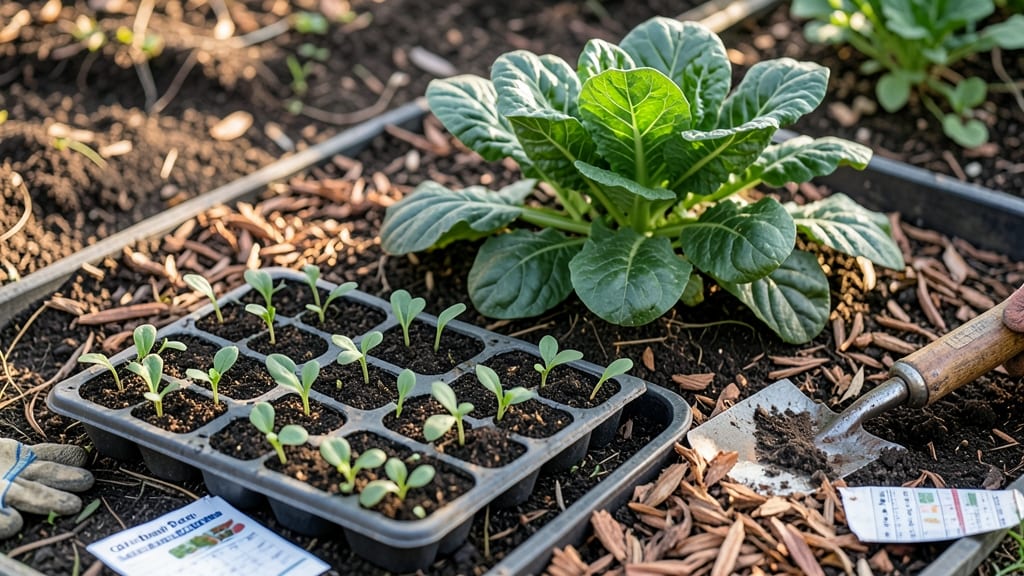
When to plant collard greens in South Carolina isn't just about following a calendar—it's about outsmarting the state's unpredictable shifts from sweltering summers to early frosts. Get it wrong, and you'll either watch your plants bolt in the heat or freeze before they mature. But nail the schedule, and you'll enjoy crisp, flavorful greens straight from your garden for months.
Most gardeners in USDA Zone 8a know the basics—spring and fall are the prime windows—but the devil's in the details.
Planting mid-February to late March sets you up for a spring harvest just as summer's heat arrives, while late August starts give you fall greens before the first frost hits around November 15. The key? Understanding how your specific microclimate (coastal humidity vs. Upstate dryness) alters these perfect windows.
What separates successful harvests from disappointing ones? It's not just about dates—it's about soil prep, spacing, and knowing which heat-tolerant varieties thrive when others fail. I'll walk you through the exact steps to maximize your yield, from transplanting timing to extending your harvest window with simple (but game-changing) techniques.
Ready to turn your SC garden into a collard green powerhouse? Let's dive into the science-backed schedule that'll have you harvesting April through November—without the guesswork or wasted seeds.
South Carolina heat-Zone planting calendar for collard greens
South Carolina’s USDA Zones 7b-8a create a unique challenge for collard green timing—too early, and summer’s 90°F+ heat causes bolting; too late, and first frost ruins your harvest. The key is planting in two strategic windows: early spring and late summer, with adjustments for your specific heat zone.
In the Upstate (Zone 7b), where frosts linger longer, start seeds indoors by February 15 for transplanting after March 15. Coastal areas (Zone 8a) can plant directly outdoors as early as February 1, but use row covers for protection against unexpected cold snaps.
For fall harvests, the window narrows dramatically. Plant late August to early September—any later, and November frosts will damage tender leaves before maturity. In Zone 7b, aim for September 1 as your cutoff; Zone 8a gardeners have until September 15.
Here’s the science-backed breakdown of planting windows, frost risks, and ideal transplant sizes for each SC heat zone:
| Planting Window | Heat Zone | Frost Risk | Transplant Size | Harvest Window |
|---|---|---|---|---|
| Mid-February to Late March | Zone 7b (Upstate) | Low (after March 15) | 4-6 weeks old, 4" tall | April–May |
| February 1–March 10 | Zone 8a (Coastal) | Very Low | 3-5 weeks old, 3" tall | March–April |
| Late August–Early September | All Zones | High (after Nov 15) | 4-6 weeks old, 4" tall | October–November |
Direct sowing is only recommended for fall plantings—spring seeds struggle with competing weeds and slower germination in cooler soil. For direct sowing in late summer, scatter seeds ¼ inch deep and thin to 12–18 inches apart once seedlings reach 3 inches tall.
Pro tip: Use heat-tolerant varieties like ‘Georgia Southern’ or ‘Blue Max’ for late-summer starts. These handle 90°F+ temps better than traditional types, giving you a 10–14 day head start on maturity before frost.
Always test your soil’s pH (6.0–7.0 ideal) before planting—SC’s heavy clay soils often need compost or aged manure to improve drainage. A pre-planting soil test from Clemson Extension can save your crop from nutrient deficiencies like yellowing leaves.
For gardeners in Zone 7b, consider a second fall planting in late July under shade cloth to escape summer’s peak heat. This “staggered” approach can extend your harvest into early December with row covers.
Remember: Collard greens thrive in cool weather—they’re essentially winter vegetables that bolt in heat. Planting too early (before March 1) risks heat stress, while planting too late (after September 15) risks frost damage before leaves mature.
How to extend collard green harvests in South Carolina’s climate
South Carolina’s mild winters and long growing season let you harvest collard greens nearly year-round—but only if you use the right tricks. Unlike northern climates, my zone 8a garden thrives with succession planting and protective covers.
The key? Staggering plantings and shielding tender leaves from light frosts that can turn your crop to mush.
For fall harvests, start seeds in late August for a mid-October harvest before hard frosts. In spring, sow every 2-3 weeks from February until April to keep a steady supply. My secret weapon? Row covers—they add 2-4°F of protection, letting me harvest through December in sheltered spots.
Heat-tolerant varieties like 'Georgia Southern' or 'Vates' handle summer’s 90°F+ temps better than standard types. I plant these in late summer for a fall harvest before the first frost. The trade-off? They bolt faster in spring’s warmth, so I save them for late-season planting only.
⚖️ Cold-Hardy vs. Heat-Resistant Varieties
🥶 Cold-Hardy Varieties
- Best for: Winter harvests
- Examples: 'Blue Max', 'Georgia Southern'
- Pros: Tolerates 20°F+ temps
- Cons: Bolts in 80°F+ heat
☀️ Heat-Resistant Varieties
- Best for: Late-summer/fall planting
- Examples: 'Vates', 'Top Bunch'
- Pros: Handles 90°F+ without bolting
- Cons: Less cold-tolerant (28°F limit)
Don’t overlook microclimates—coastal areas stay warmer longer than the Piedmont. I plant 2 weeks earlier in Charleston than in Greenville to match local frost dates. For urban gardens, raised beds warm up faster in spring, letting me start 3-4 weeks earlier than in-ground soil.
To maximize yields, I harvest leaves selectively—never taking more than 1/3 of the plant at once. This keeps production going for 6-8 months per planting. Pair that with succession sowing, and you’ll have fresh collards from late winter through early summer.
Pro tip: Mulch heavily with straw or leaves to insulate roots. Last winter, my mulched patch survived a 22°F dip while unmulched plants wilted. A lightweight row cover over young seedlings adds an extra 5°F buffer—worth the effort for a longer harvest window.