Plants
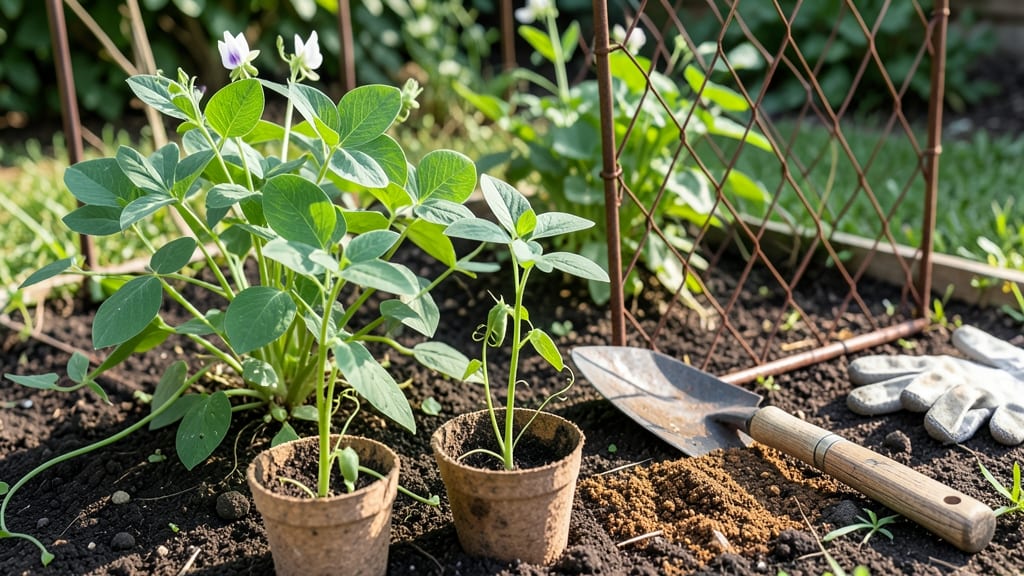
Knowing when to plant English peas in Zone 8 can mean the difference between a bountiful harvest and wasted effort. These cool-weather lovers 🌱 thrive when temperatures hover between 40-50°F, making timing everything for gardeners in your region.
Most Zone 8 gardeners swear by late winter to early spring planting—typically between February and March—but microclimates can shift these dates by weeks. Coastal areas may get a head start, while inland zones might need to wait for soil to warm properly.
In this guide, I’ll break down the exact windows for your specific location, plus pro tips to extend your harvest season. Whether you’re a first-time planter or a seasoned gardener, these strategies will help you avoid common mistakes and maximize your pea yield.
From soil prep to frost protection, you’ll learn how to give your English peas the perfect start—so you can enjoy fresh, sweet pods from late spring through early summer. Let’s get those seeds in the ground at the right time!
Optimal planting windows for English peas in Zone 8 by microclimate
Zone 8 offers a unique gardening advantage—its mild winters and extended growing seasons—but timing your English pea planting is critical. Unlike cooler zones, Zone 8’s microclimates (coastal, inland, high-desert) create 3 distinct planting windows for peak harvests.
Miss the mark, and you’ll face heat stress or stunted growth before pods even form.
Peas thrive when soil temperatures hover between 40-50°F, a range that arrives earlier in coastal areas (like San Diego) than inland (like Phoenix). High-desert regions (e.g., Flagstaff) may need late starts to avoid sudden frost.
Always check your last frost date—Zone 8’s average is February 15, but coastal areas can be 2-3 weeks earlier.
Here’s the golden rule: Plant 4-6 weeks before your last frost for cool-season varieties like ‘Sugar Snap’ or ‘Green Arrow’. For heat-tolerant types (e.g., ‘Oregon Sugar Pod’), aim for early spring to avoid summer’s 100°F+ soil, which halts germination.
Pro Tip: Use a soil thermometer to confirm readiness—peas won’t germinate below 40°F. Coastal gardeners can push early starts with row covers, while inland growers should wait for stable 50°F nights to avoid frost damage.
For extended harvests, succession plant every 2 weeks from February to April. This ensures a continuous supply of sweet pods before summer heat sets in. Avoid planting after mid-April in most of Zone 8—peas bolt (flower prematurely) when days exceed 75°F.
Microclimate hack: High-desert areas can try fall planting (September–October) for winter harvests, but use cold-hardy varieties like ‘Alaska’ and protect plants with straw mulch during freezes. Coastal zones rarely need this, thanks to their mild winters.
Soil prep is non-negotiable: Peas need well-draining, slightly acidic soil (pH 6.0–7.0). Amend clay soil with compost and sandy soil with peat moss to retain moisture. A low-phosphorus starter fertilizer (5-10-10) at planting boosts root growth—critical for vining types.
Watch for these red flags: Yellowing leaves signal nitrogen deficiency or overwatering; stunted growth means too-warm soil. Adjust your planting window or use shade cloth if summer arrives early. With the right timing, your Zone 8 pea patch can yield 5–10 lbs per 10-foot row—far better than store-bought pods!
Optimal planting windows for English peas in Zone 8 by microclimate
Zone 8’s diverse microclimates—from coastal breezes to inland valleys—create 3 distinct planting zones for English peas. Coastal areas like San Diego and Santa Barbara enjoy milder winters, while inland cities like Phoenix or Las Vegas face earlier frost risks.
High-desert regions like Flagstaff (Zone 7 border) demand even earlier sowing. Understanding your specific zone ensures peak germination rates and avoids frost damage.
Peas thrive when soil temperatures hit 40-50°F, a window that varies by 1-2 weeks across Zone 8. Coastal areas can start as early as late January, while inland deserts should wait until mid-February.
High-desert gardeners may need to plant by January 15th to beat unexpected freezes. Always check your local USDA frost date calculator—it’s your best friend for precision timing.
🌱 Zone 8 Pea Planting Windows by Microclimate
| Microclimate | Last Frost Date | Optimal Planting Window | Soil Temp Threshold | Best Varieties |
|---|---|---|---|---|
| Coastal (e.g., San Diego, Santa Barbara) | Feb 15–Mar 1 | Late Jan–Early Feb | 45–50°F | 'Sugar Ann,' 'Oregon Sugar Pod' |
| Inland Valleys (e.g., Phoenix, Riverside) | Feb 28–Mar 15 | Mid-Feb–Early Mar | 40–45°F | 'Little Marvel,' 'Green Arrow' |
| High Desert (e.g., Flagstaff, Prescott) | Feb 1–Feb 15 | Jan 15–Feb 1 | 40–42°F | 'Alaska,' 'Telephone' |
💡 Pro Tip: Use a soil thermometer to confirm readiness—peas won’t germinate below 40°F!
For coastal gardeners, aim to plant peas 6-8 weeks before your last frost date. This gives them time to establish roots before spring heat arrives. Inland growers should prioritize early February sowings, as March plantings risk bolting (premature flowering) from rising temperatures.
High-desert areas must act fastest—January 15th is your cutoff for reliable germination.
Don’t overlook succession planting! In Zone 8, you can often squeeze in 2 harvests by sowing every 2 weeks from late January through early March.
For example, a February 1st planting will yield pods by May 15th, while a March 1st batch may still produce in June before summer heat sets in. Just avoid planting after April 15th—peas hate the heat!
If you’re unsure about your exact microclimate, observe your neighbors’ gardens. Pea vines that thrive in a nearby community garden are a great indicator of local success.
For example, if your San Diego friend plants in early February and gets great yields, you can mirror that timing—unless you’re in a warmer microclimate like Carlsbad, where January plantings work best.
Remember: Peas are cool-season champions, but they’re not frost-proof. A hard freeze (below 20°F) will kill them, so always have row covers ready for unexpected cold snaps. With the right timing, you’ll enjoy sweet, tender pods from May through June—just in time for summer salads! 🌿