
Plants
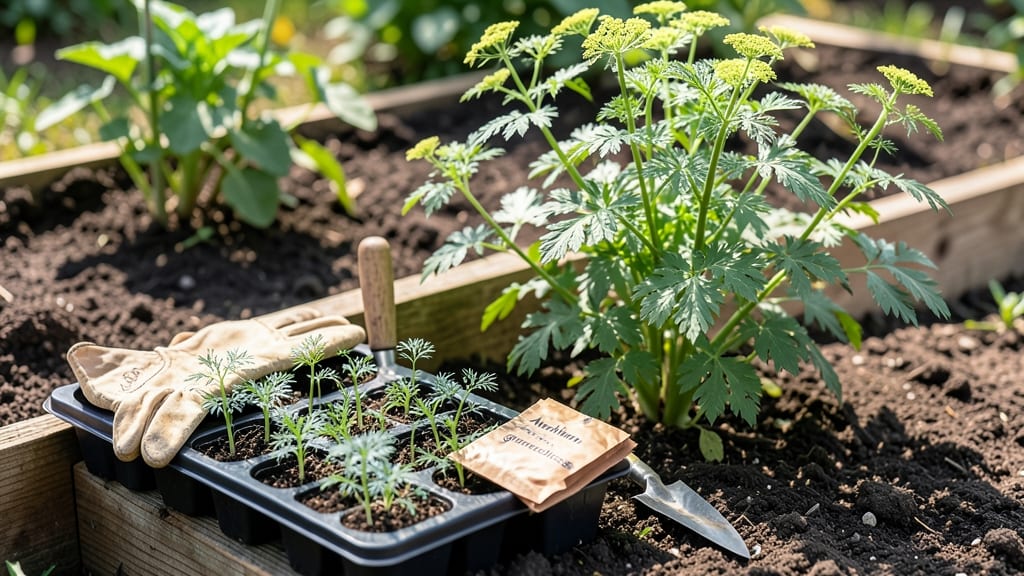
Planting dill in Texas isn’t just about the calendar—it’s about outsmarting the heat before your 🌿 bolts into flower too soon.
If you’ve ever watched your dill turn bitter or go to seed faster than a Texas summer storm, you know the stakes: a 60-day window to harvest disappears in a flash when temps hit 90°F+.
Here’s the secret Texas gardeners swear by: plant your dill in early spring (February-March) or late summer (August-September), when soil temps stay cool enough to buy you time.
Skip the mid-summer rush, and you’ll avoid the classic Texas trap of stunted, flavorless herbs—no matter if you’re in Zone 8a or 10b.
I’ve grown dill in both North and South Texas, and the difference between a thriving patch and a sad, bolted disappointment comes down to one thing: timing.
Let me show you exactly when to plant, how to prep your soil, and which tricks keep your dill lush even when the mercury climbs.
Ready to grow dill that tastes fresh all season? Grab your gloves—we’re diving into the exact schedule that works for Texas heat zones, plus pro tips to stretch your harvest window longer than a Lone Star State summer.
Texas dill planting calendar by heat Zone: avoid bolting in 90°F+ soil
Texas’ 10 heat zones create wildly different conditions for dill, which bolts at 85°F+ soil temps. North Texas (Zones 8a-8b) has cooler springs, while South Texas (Zones 9a-10b) faces year-round heat risks.
The key? Plant 6-8 weeks before last frost in spring or late summer for fall harvests, adjusting for your zone’s frost-free window.
For example, Zone 8a gardeners (like Dallas) can start seeds indoors in February, while Zone 10b growers (Houston) should direct-sow September-October only to avoid summer’s 100°F+ soil. Even a 10°F difference changes your planting window by 2-3 weeks.
Here’s the critical temperature rule: Dill thrives when soil temps stay below 80°F and air temps don’t exceed 90°F. Use a soil thermometer to check—if it’s above 85°F, delay planting or use shade cloth (see next section).
| Texas Heat Zone | Last Frost Date | Spring Planting Window | Fall Planting Window | Harvest Timeline | Key Risk |
|---|---|---|---|---|---|
| 8a (Dallas, Waco) | March 15 | Feb 15–March 15 | Aug 1–Sept 15 | April–May & Oct–Nov | Late spring heat spikes |
| 8b (Austin, San Antonio) | March 1 | Feb 1–March 10 | July 15–Aug 30 | March–April & Sept–Oct | Summer drought stress |
| 9a (Corpus Christi) | Jan 31 | Sept 15–Oct 15 (fall-only) | Sept 15–Nov 1 | Oct–Dec | No spring planting viable |
| 10a (Houston) | Jan 15 | None (spring) | Aug 1–Sept 30 | Sept–Nov | Year-round heat |
🌡️ Pro Tip: Use a soil thermometer—dill roots die at 95°F+.
Notice how Zones 9a–10a skip spring planting entirely? That’s because soil temps exceed 85°F by March. Instead, focus on fall planting when days shorten and temps drop. Even in cooler zones, June-July heat can trigger bolting, so succession plant every 2 weeks for continuous harvests.
For container growing, adjust timing by 1-2 weeks earlier—pots heat up faster. Use black fabric pots to absorb less sunlight and keep roots cooler. My Zone 8b containers stay 5°F cooler than in-ground beds during peak summer.
One common mistake is planting too close to last frost. Dill needs 60–75 days to mature, so if you plant March 15 in Zone 8a, you’ll harvest May 15—just as temperatures spike. Instead, aim for early April to stretch harvests into late May.
In South Texas (Zones 9a–10b), shade cloth (30–50%) is non-negotiable for summer planting. Without it, your dill will bolt in 10 days. Pair this with drip irrigation to keep soil temps stable—consistent moisture prevents heat stress.
Finally, companion plant with basil or lettuce to create micro-climates. Their shade lowers soil temps by 5–10°F, giving dill a fighting chance in borderline zones. I’ve seen Zone 8b dill last 3 weeks longer when planted near bush basil.
Remember: Texas dill success = timing + temperature control. Master these two, and you’ll enjoy fresh dill from spring to fall—no bolting in sight! 🌿
Texas dill planting calendar by heat Zone: avoid bolting in 90°F+ soil
Texas stretches across 10 distinct heat zones, each with unique frost dates and temperature thresholds for dill. In North Texas (Zones 7b-8a), your last frost typically arrives by March 15, while South Texas (Zones 9a-10b) can plant as early as February 1.
The key to avoiding bolting is planting when soil temps stay below 85°F—any hotter, and your dill will flower prematurely.
For spring planting, aim for February-March in North Texas and January-February in South Texas. Fall planting (August-September) gives you a second harvest before winter. Dill thrives in 60-75 days of growth, so time it right to enjoy fresh leaves through May or October.
🌱 Pro Tip: Use a soil thermometer to confirm temps are below 75°F before planting—this prevents heat stress that triggers bolting.
| Heat Zone | Last Frost | Ideal Planting Window | Harvest Window | Key Risk |
|---|---|---|---|---|
| North Texas (7b-8a) | March 15 | Feb 15 - Mar 15 | April - May | Late frost damage |
| Central Texas (8b-9a) | Feb 28 | Jan 15 - Feb 28 | March - April | Early heat spikes |
| South Texas (9b-10b) | Jan 15 | Dec 15 - Jan 31 | Feb - March | Year-round heat stress |
| Fall Planting (All Zones) | N/A | Aug 1 - Sep 15 | Oct - Nov | Bolting from residual heat |
If you’re in South Texas (Zones 9b-10b), consider winter planting (December-January) to escape summer’s relentless heat. The coolest months (Dec-Feb) offer ideal conditions for dill, with soil temps rarely exceeding 70°F.
Just be prepared for light frosts—cover young plants with row fabric if temps drop below 28°F.
For fall planting, start seeds 8-10 weeks before your first frost (typically August in North Texas, September in South Texas). This gives your dill enough time to mature before winter sets in. Mulch heavily with straw or leaves to insulate roots and extend the harvest into November.
Remember: Dill bolts when stressed—whether by heat, drought, or overcrowding. Space plants 12-18 inches apart and keep soil consistently moist (but not soggy) to prevent premature flowering. With the right timing, you’ll enjoy fresh dill for pickles and soups all year in Texas!