
Plants
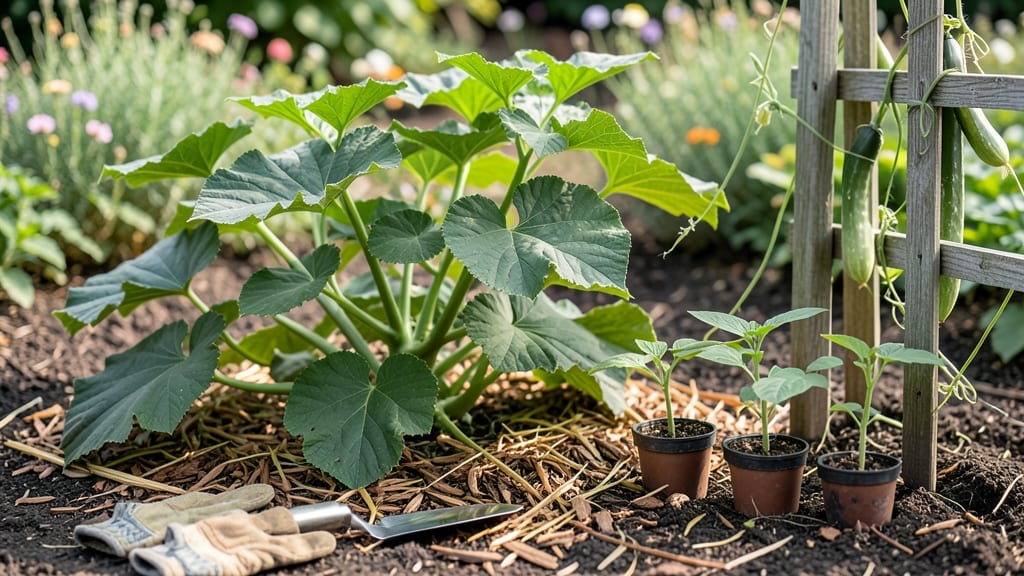
Timing your cucumber planting in South Texas can feel like a high-stakes gamble—get it wrong, and you might as well hand over your harvest to the neighbors.
The key isn’t just avoiding frost (which is rare here) but mastering the heat to prevent those vines from bolting before they even get started.
I’ve watched 🥒 cucumbers in this climate go from thriving to tragic in a matter of weeks, and the difference always comes down to when you put them in the ground.
South Texas’s 9a-10a zones give you two prime windows—spring and summer—but each has its own tricks to avoid the dreaded "too hot, too soon" scenario.
What if I told you there’s a way to plant cucumbers in early February and still get a harvest by June? Or how about extending your summer crop into October without the vines throwing in the towel?
The secret lies in understanding soil temps, microclimates, and the right varieties for your specific corner of the Lone Star State.
Let’s break down the exact planting schedule—down to the week—that keeps your cucumbers happy, productive, and ready to hit the table when you are. No guesswork, just results.
South Texas heat zones explained: when to plant cucumbers by microclimate
South Texas spans USDA Hardiness Zones 9a-10a, where summer temperatures can soar above 100°F while winters rarely drop below 30°F. These extremes mean cucumbers must be planted strategically to avoid heat bolting or cold shock.
The key is understanding your microclimate—whether you're in the cooler Hill Country or the hotter Rio Grande Valley.
Cucumbers thrive when soil temperatures stay between 60°F and 90°F. Below 50°F, germination stalls, and above 95°F, vines bolt prematurely. South Texas' 270 frost-free days create two ideal planting windows: spring (March-April) and late summer (August-September). Let’s break down the best times for each zone.
🌱 South Texas Heat Zone Comparison Table
| Zone | Ideal Planting Window | Soil Temp Requirement | Heat Risk Level | Best Varieties |
|---|---|---|---|---|
| 9a (Hill Country) | Mid-March to Early April, Late August | 60°F+ (warms slower) | Moderate (bolting risk after May) | 'Straight Eight', 'Lemon Cucumber' |
| 9b (Central Texas) | Late February to Early May, Mid-July | 65°F+ (faster warming) | High (bolting risk after June) | 'Suyo Long', 'Armenian' |
| 10a (Rio Grande Valley) | January-February, September-October | 70°F+ (year-round warmth) | Very High (bolting risk year-round) | 'Diva', 'Marketmore 76' |
In Zone 9a, like the Hill Country, soil warms slower, so wait until mid-March for spring plantings. Use black plastic mulch to raise soil temperatures 5-10°F faster.
For Zone 10a, like the Rio Grande Valley, you can plant as early as January for winter harvests, but avoid summer plantings after June to prevent bolting.
Pro tip: Check soil temps with a soil thermometer before planting. Cucumbers won’t germinate below 60°F, even if air temps are warm.
In Zone 9b, like San Antonio, aim for late February to early May for spring plantings, then switch to heat-tolerant varieties like 'Suyo Long' to extend your season into late summer.
Another critical factor is humidity. South Texas’ high humidity increases disease pressure, so choose disease-resistant varieties like 'Straight Eight' or 'Marketmore 76'. These varieties also handle heat spikes better than standard slicing cucumbers.
If you’re in a cooler microclimate, like near Lake Travis, you might push spring plantings to early February. But if you’re in urban heat islands, like Houston, start seeds indoors in late January to transplant after the last frost (mid-February).
Remember: Succession planting is key in South Texas. Sow new seeds every 2-3 weeks from March to May and again from August to September to ensure a continuous harvest. This staggered approach prevents gaps in your cucumber supply and reduces bolting risk.
Finally, shade cloth can be a lifesaver during 100°F+ heatwaves. Use 30-50% shade cloth to protect young plants until they establish roots. This simple trick can extend your harvest window by 2-4 weeks in the peak summer months.
Step-by-step planting schedule for zero bolt risk in South Texas
Timing is everything when growing cucumbers in South Texas. The key is planting after soil temperatures hit 60°F and avoiding the hottest summer months when plants bolt. Here’s my foolproof schedule to maximize your harvest.
Start with transplants or seeds in late February to early March for a spring crop. This gives your plants a head start before the April heat spikes. For a fall harvest, plant again in late July to early August to beat the first frost.
📅 Step-by-Step Planting Timeline
- Late February - Early March: Start transplants indoors or direct-sow seeds in heated beds. Use black plastic mulch to warm soil faster.
- Mid-March: Transplant hardened seedlings after last frost (February 15 average). Space 12-24 inches apart depending on variety.
- April: Add trellis supports for vining types. Mulch with straw or grass clippings to retain moisture.
- May - June: Harvest spring cucumbers. Watch for powdery mildew—spray with neem oil if needed.
- July: Remove spent spring plants. Amend soil with compost for fall planting.
- Late July - Early August: Plant fall crop seeds or transplants. Use shade cloth if temps exceed 95°F.
- September - October: Enjoy fall harvests before first frost (December 1 average).
For succession planting, sow new seeds every 2-3 weeks in spring and fall to extend your harvest. This works especially well for bush varieties like 'Bush Champion' or 'Straight Eight,' which mature faster.
Always water deeply in the morning and avoid wetting leaves to prevent disease. A drip irrigation system is ideal for South Texas’s intense sun and heat.
Pro tip: Heat-tolerant varieties like 'Southern Slick' or 'SuYo Long' thrive in South Texas’s climate. They resist bolting better than standard types.