
Plants
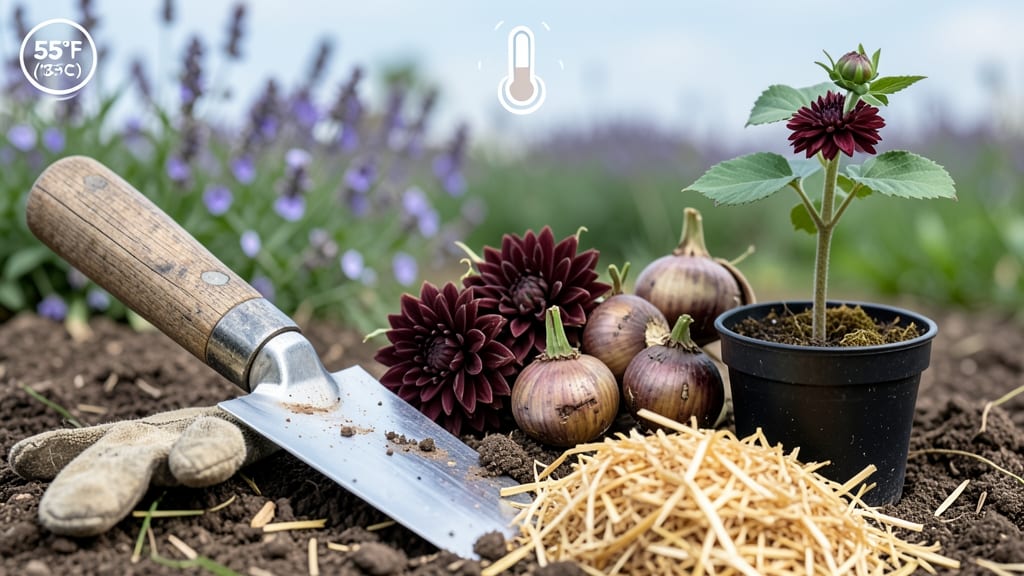
Timing your dahlia planting in Washington State wrong could mean soggy tubers or frost-nipped blooms—unless you know the exact soil temp triggers and regional quirks that make all the difference.
The Pacific Northwest’s unpredictable spring can turn a garden dream into a soggy mess, but with the right strategy, you’ll get those 🌼 dahlias thriving from Puget Sound to the Columbia Basin.
Most gardeners in zones 7b-9a wait until late April or mid-May, but that’s just the starting point. The real secret lies in soil temperature—dahlias need 55°F+ to sprout consistently, and Washington’s microclimates (like the chilly Puget Sound vs. the drier East) can shift that window by weeks.
I’ll show you how to test soil warmth and adjust planting dates so you’re never caught off guard by late frosts.
Whether you’re pre-sprouting tubers indoors or planting directly in the ground, these regional tweaks will give your dahlias the head start they need. No more guessing—just vibrant blooms from July straight through to the first frost. Let’s dive into the zero-frost-risk planting schedule that actually works in Washington’s climate.
You’ll learn how to outsmart 3 common mistakes that kill dahlias before they even bloom, plus the best container hacks for early starters in cooler zones. Ready to turn your garden into a dahlia paradise? Let’s get started.
Dahlia planting timeline by Washington State microclimate zones
Washington State’s diverse microclimates mean your dahlia planting window could vary by 3 weeks between Seattle and Spokane. The key is waiting for soil temperatures to hit 55°F+ and last frost dates to pass—typically mid-April to early May.
Let’s break it down by region to avoid frost damage to your tender tubers.
Western Washington—including the Puget Sound and Olympic Peninsula—has cooler, wetter springs with last frosts often lingering until May 10th.
Meanwhile, Eastern Washington (like Yakima or Wenatchee) warms faster, with last frosts usually by April 15th. High-elevation areas (e.g., Mount Rainier foothills) can delay planting until late May.
Here’s how to align your planting with Washington’s three key zones, including soil temp thresholds and frost risk timelines:
Pro tip: Use a soil thermometer to confirm 55°F+ at 6-inch depth—this is more reliable than air temperature. If your garden soil is still cold, opt for container planting with black pots to absorb heat or use straw mulch to warm the soil faster.
For Puget Sound gardeners, I recommend waiting until May 15th to plant tubers outdoors, even if the air feels warm. A late April frost can wipe out your new shoots in minutes.
In Eastern WA, you can push it to early April for tuber planting, but delay transplanting seedlings until May 1st to avoid chilly nights.
Don’t forget: Dwarf varieties (like ‘Mignon’ series) tolerate cooler temps better than giant dinner-plate dahlias. If you’re eager to bloom early, prioritize smaller varieties or start tubers indoors in late March.
🌱
Soil temperature secrets: how to test and adjust for dahlias in WA
Dahlias thrive when soil temperatures consistently stay above 55°F. In Washington’s cooler microclimates, this can be tricky—especially in Western WA where chilly springs linger. Testing your soil’s warmth before planting is the key to avoiding stunted growth or frost damage.
Use a soil thermometer to check temperatures at 4-inch depth (where dahlias’ roots will form). For Puget Sound gardens, wait until late April or early May when soil finally warms. In Eastern WA, you might plant as early as mid-April, but verify with a thermometer first.
If your soil is still too cold, container planting is your best bet. Use black pots (they absorb heat) or heat mats under containers to raise temperatures. For in-ground beds, add compost or straw mulch 2 weeks before planting to warm the soil faster.
For late bloomers, consider pre-sprouting tubers indoors in pots. Place them near a sunny window or under grow lights once soil warms. This gives your dahlias a 2-week head start and boosts early-season blooms.
Pro tip: Dark-colored containers (like black plastic) can add 5-10°F more warmth than lighter pots. Pair them with clear plastic covers at night to trap heat—just remove covers during the day to avoid overheating.
Once planted, mulch heavily with straw or wood chips to maintain soil warmth. This is especially critical in Puget Sound’s damp climate, where cool, wet soil can stunt root growth. Aim for a 3-inch mulch layer around (not touching) the stems.
Remember: Rushing planting in cold soil leads to rotten tubers or slow, leggy growth. When in doubt, wait a week longer—your dahlias will thank you with bold, vibrant blooms all summer! 🌼