
Plants
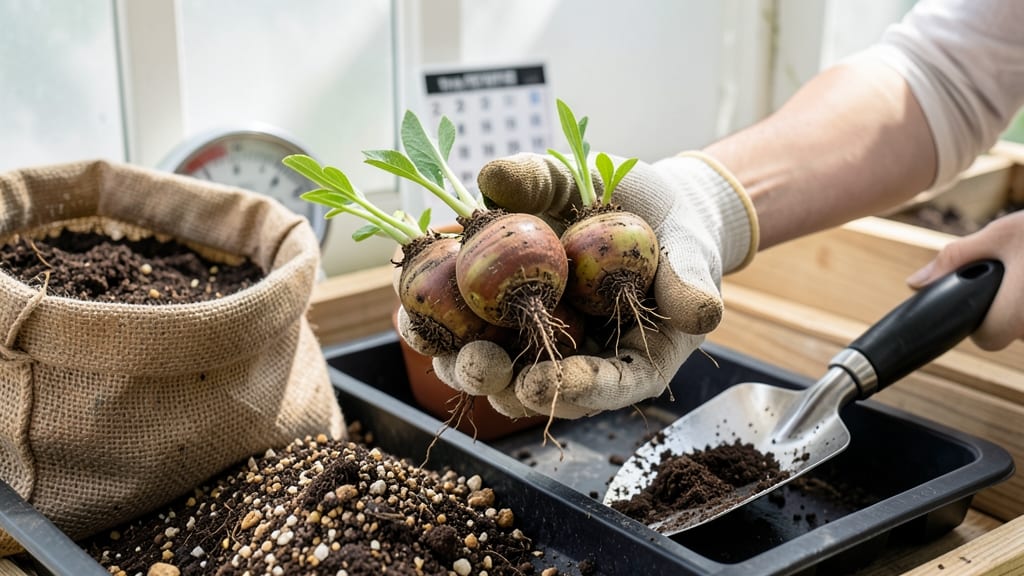
Timing your dahlias planting in Rhode Island isn’t just about waiting for spring—it’s about outsmarting the state’s fickle weather to guarantee those showstopping 🌸 blooms you’ve been dreaming of.
With Zone 6b’s unpredictable frost dates and humidity that can turn tubers to mush, planting too early or late means risking stunted growth or worse—your dahlias never even sprouting.
But here’s the good news: I’ve cracked the code on the perfect window to get your tubers in the ground when the soil is warm enough (think 60°F+) and the air stays reliably frost-free.
You’ll learn exactly when to plant—whether you’re working with late-May soil or pushing the envelope with early starts—and how to prep your garden for zero-failure growth, from slug-proofing to extending your season with simple hacks.
Let’s dive into the Rhode Island-specific timeline that’ll have your dahlias thriving from August’s first blooms through October’s golden light.
Rhode Island’s ideal dahlias planting timeline: soil temperature & frost-free dates
Rhode Island’s USDA Zone 6b-7a climate means dahlias need precise timing to avoid frost damage. The last average frost date ranges from April 15 in Westerly to May 1 in Providence, but soil temperature matters more than calendar dates.
Dahlias thrive when soil reaches 55-65°F—waiting for this warmth ensures strong root growth.
My recommended planting window is late May to early June, after the risk of frost has passed and soil has warmed. Early planting before May 15 risks tuber rot from cold, wet soil, while waiting too long (after June 15) may shorten your bloom season.
Use a soil thermometer to confirm readiness—this small tool prevents costly mistakes.
| Region | Last Frost Date | Ideal Planting Window | Soil Temp Threshold |
|---|---|---|---|
| Providence | May 1 | Late May - Early June | 55-65°F |
| Newport | April 25 | Mid-May - Early June | 55-65°F |
| Westerly | April 15 | Early May - Mid-June | 60-65°F |
For early blooms, consider indoor starter methods in late March. Plant tubers in pots with well-draining soil and keep them in a sunny window or under grow lights until soil warms outdoors.
This extends your bloom season by 3-4 weeks compared to direct planting. However, avoid starting tubers too early—they’ll outgrow their pots and become stressed.
If you’re direct planting outdoors, prepare your soil in early May by amending it with compost and aged manure. Dahlias love rich, loose soil with a pH of 6.5-7.0.
Work in a 2-inch layer of compost and avoid fresh manure, which can burn tender roots. Mulch with straw or shredded leaves to retain moisture and regulate soil temperature.
Watch for false springs—those warm spells in March or April that trick you into planting early. Rhode Island’s coastal areas (like Block Island) can experience unpredictable temperature swings, so always check a local frost forecast like the National Weather Service or Old Farmer’s Almanac before planting.
Even a light frost can damage emerging shoots.
For late bloomers, try transplanting established tubers in early July. Choose smaller varieties like 'Café au Lait' or 'Bishop', which mature faster. Plant them deeper than usual (6 inches) to stabilize against winds and provide extra insulation.
Water deeply after transplanting to reduce shock, and expect smaller but vibrant blooms by late August.
Pro tip: Hardening off indoor-started dahlias is crucial. Acclimate them to outdoor conditions over 7-10 days by placing them in a sheltered spot for increasing durations. Start with 2 hours of sunlight daily and gradually increase to full sun.
This prevents transplant shock and ensures your dahlias thrive from day one in the garden.
Remember, Rhode Island’s short growing season means timing is everything. Plant too early, and frost will kill your tubers; plant too late, and you’ll miss the peak summer bloom season (July-August).
By following these soil temperature guidelines and regional frost dates, you’ll maximize your dahlias’ potential and enjoy stunning blooms from mid-summer to frost.
🌱
How to extend your dahlias season in Rhode Island: cold protection & early planting hacks
Rhode Island’s short growing season and late spring frosts can cut your dahlias’ bloom time short—but not if you use these proven strategies. The key is balancing early planting with frost protection to maximize your 180 frost-free days.
Whether you’re a first-time gardener or a seasoned pro, these hacks will help you push your dahlias’ season by 3-4 weeks without risking frost damage.
One of the biggest mistakes I see is planting tubers too early in hopes of a head start. Cold soil (below 55°F) stunts growth, leaving plants vulnerable to rot and slugs.
Instead, focus on hardening tubers and using season extenders to create the perfect microclimate. Let’s break down the best methods to keep your dahlias blooming until October’s first frost.
Pros & Cons: Extending Dahlias Season in Rhode Island
Frost Blankets
✅ Protects plants down to 28°F; lightweight and reusable.
⚠️ Can overheat plants if left on during sunny days.
Cold Frames
✅ Extends season by 4-6 weeks; doubles as a greenhouse.
⚠️ Requires daily monitoring to avoid overheating.
Indoor Starters
✅ Gets a 2-week head start on growth.
⚠️ Risk of leggy seedlings if not given enough light.
Tuber Hardening
✅ Strengthens tubers for early planting.
✅ No downsides if done correctly.
For indoor starter methods, begin tubers in late March by placing them in a shallow tray of moist potting mix at 60-65°F. Keep them in a bright, cool location (like a sunny windowsill) and avoid overhead watering to prevent rot.
Once sprouts reach 3-4 inches, harden them by moving them outdoors during the day and back inside at night for 7-10 days before planting.
If you prefer direct outdoor planting, wait until soil temperatures consistently stay above 60°F—usually mid-to-late May in most of Rhode Island. To protect young plants, use frost blankets or row covers until the threat of frost has passed.
I’ve found that black plastic mulch also helps warm the soil faster, giving your dahlias a 2-week growth boost.
Don’t forget to monitor local frost forecasts! Tools like the National Weather Service’s Frost Prediction Map can give you a 3-day heads-up on cold snaps.
In my Zone 6b garden, I’ve successfully extended the season by 30 days using a combination of cold frames for early blooms and frost blankets for late-season protection. With these strategies, your dahlias can keep blooming until mid-October—or even later with a little luck!