
Plants
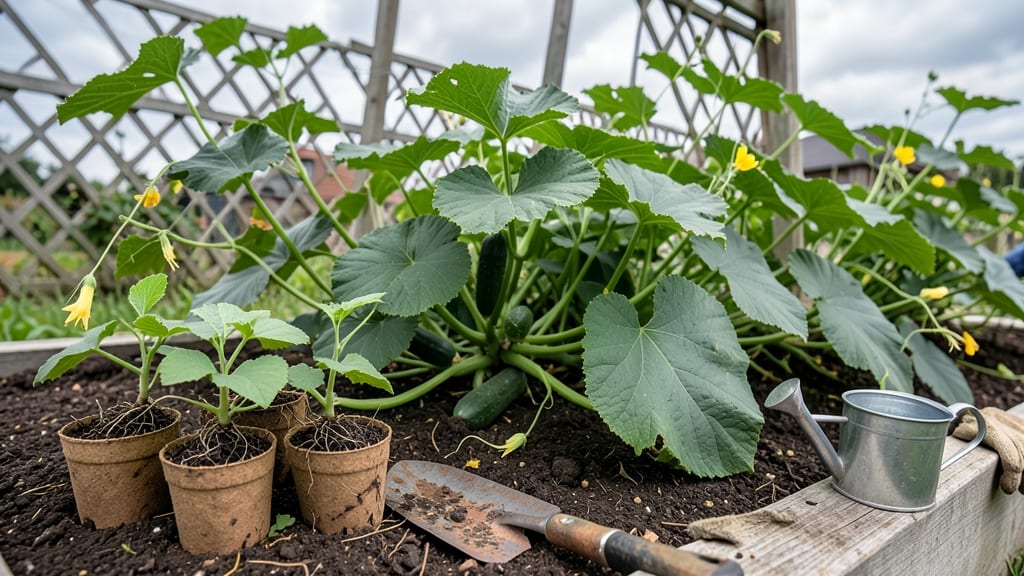
If you've ever planted cucumbers in Zone 9b only to watch them wilt under the scorching sun, you're not alone. The key to a thriving 🥒 harvest isn't just about watering—it's about planting at the right time to beat the heat.
Zone 9b's relentless summer temperatures (think Phoenix or the Southern California desert) can turn your cucumber dreams into a sad, shriveled mess if you don't time it perfectly. But here's the good news: with the right strategy, you can grow crisp, productive cucumbers all season long.
I'll show you exactly when to plant—from late winter to early spring—plus which heat-tolerant varieties actually thrive in this climate. We'll also cover how to extend your harvest using shade cloth and mulching, so you're not left scrambling for fresh 🥒 when the summer heat peaks.
Ready to grow cucumbers that actually survive (and taste great) in Zone 9b? Let's get started with the exact dates and techniques that work.
Optimal planting windows for cucumbers in Zone 9b: exact dates and heat management
In Zone 9b, where summer temperatures often soar past 100°F, timing your cucumber planting is everything. Unlike cooler zones, you’ll avoid bitter fruit and heat stress by planting during cooler months—typically February through early April—when soil temperatures stay between 60°F and 75°F.
This window ensures your vines establish strong roots before the peak summer heat arrives.
Direct sowing is ideal in Zone 9b because cucumbers are heat-sensitive seedlings. Transplants struggle to adapt to sudden heat spikes, so I always start seeds indoors 2-3 weeks before my target outdoor date.
For most of Zone 9b—think Phoenix, Palm Springs, or Tucson—this means sowing seeds indoors by late January and transplanting outdoors by mid-February.
Key soil temperature rule: Wait until soil reaches at least 60°F before planting. Use a soil thermometer to check—cold soil slows germination and invites rot. In my garden, I test soil temps every morning for a week before committing to planting dates.
Here’s the exact planting timeline for Zone 9b, broken down by method:
| Method | Start Indoors | Outdoor Planting Window | Soil Temp Requirement |
|---|---|---|---|
| Direct Sowing | N/A | Mid-February to early April | 60°F+ |
| Transplanting | Late January | Late February to March | 60°F+ |
| Fall Planting | N/A | Late August to September | 70°F+ |
🌱 Pro Tip: Use black plastic mulch to warm soil faster in early spring.
Why these dates? Cucumbers in Zone 9b face two major risks: heat stress and powdery mildew. Planting too early (before February 15) means slow growth, while planting too late (after April 15) risks vines wilting under 100°F+ temps.
I’ve learned this the hard way—my 2022 early-May planting produced only 3 cucumbers before the vines collapsed.
For fall harvests, aim for late August to early September plantings. This gives vines time to mature before cooler nights slow growth. In my Tucson garden, I’ve had success with ‘Straight Eight’ cucumbers planted on September 1st, yielding fruit until November.
Always pair planting dates with shade cloth if temps exceed 90°F. I use a 30% shade cloth during peak summer to protect young plants. This simple trick has doubled my harvest in past seasons by preventing heat scorch on leaves.
One more critical tip: Water deeply before planting to help soil retain moisture. In Zone 9b, drought stress is just as damaging as heat stress. I’ve seen cucumber vines wilt within hours if soil dries out during the first 2 weeks after transplanting.
Finally, monitor humidity levels. Zone 9b’s low humidity increases powdery mildew risk. I spray plants with neem oil every 10 days during hot, dry spells to keep fungal spores at bay.
With these precision planting dates and heat-management strategies, you’ll enjoy crisp, sweet cucumbers from April through October—no bitter surprises here! 🥒
Optimal planting windows for cucumbers in Zone 9b: exact dates and heat management
In Zone 9b, cucumbers thrive when planted during cooler months to avoid the scorching summer heat. Unlike colder zones, you won’t worry about frost, but soil temperature and humidity are critical.
The best time to plant is late winter to early spring, when daytime temps hover around 70-80°F—ideal for germination and early growth.
Direct sow cucumbers 2-3 weeks after the last frost threat (though Zone 9b has none), typically mid-February to early March. Transplants can go in slightly earlier, around late January, if using heat-resistant varieties.
Avoid planting after mid-April, as summer’s relentless sun can cause bitter fruit and poor pollination.
🌱 Zone 9b Cucumber Planting Timeline
| Stage | Action | Soil Temp | Notes |
|---|---|---|---|
| Late Jan | Start transplants indoors | 60-65°F | Use heat mats for faster germination |
| Mid-Feb | Direct sow outdoors | 65-75°F | Choose shady spots for seedlings |
| Early Mar | Transplant seedlings | 70-80°F | Use mulch to retain moisture |
| Mid-Apr | Last planting window | 80-85°F | Provide afternoon shade |
💡 Pro Tip: Monitor soil moisture daily—dry soil = bitter cucumbers!
For fall harvests, plant cucumbers again in late August to early September. This timing lets them mature before hot desert nights slow growth. Use black plastic mulch to warm soil faster in spring or shade cloth to protect seedlings from intense afternoon sun.
If you’re growing cucumbers in containers, start 4-6 weeks earlier (by late January) since pots heat up faster. Place containers near a south-facing wall for extra warmth but move them to partial shade once temps exceed 90°F to prevent sunscald.
Always test your soil temperature before planting—cucumbers won’t germinate well in soil below 60°F. Use a soil thermometer to confirm readiness. In Zone 9b’s dry climate, drip irrigation is a game-changer for consistent moisture without fungal issues.
With the right timing and a few heat-management tricks, you’ll enjoy crisp, sweet cucumbers from spring through fall—no bitter surprises! 🌿