
Plants
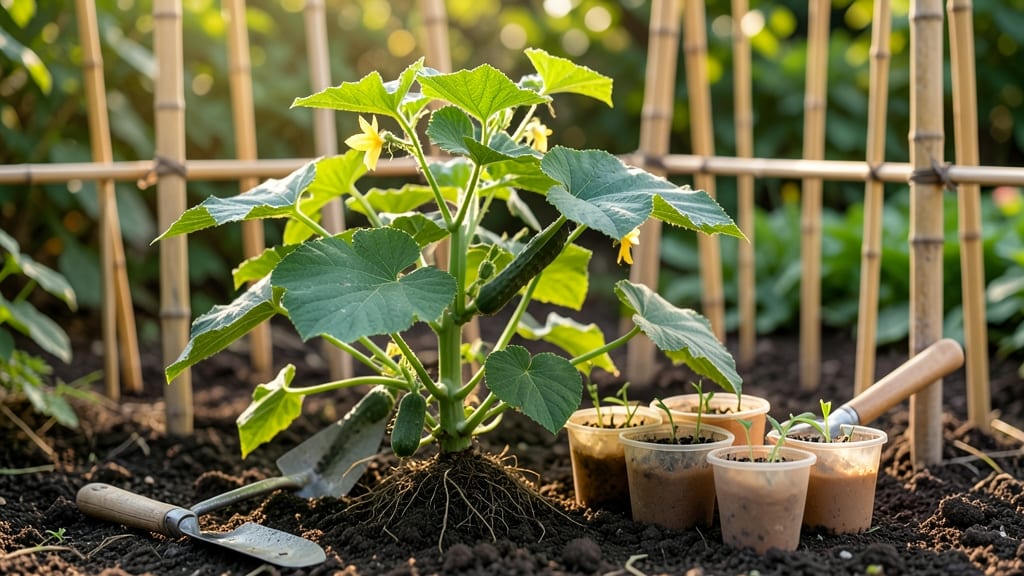
Timing your cucumber planting in Zone 6a can mean the difference between a thriving 🥒 harvest and a sad, wilted experiment. The last thing you want is to rush seedlings into cold soil or miss the sweet spot when temperatures are just right for germination.
Most gardeners in Zone 6a wait until after the last frost—typically mid-April to early May—but there’s more to it than just dates. Soil temperature plays a critical role, and planting too soon can leave your cucumbers struggling in chilly conditions.
Let’s break down the exact window you need to aim for.
You’ll learn how to check soil warmth, when to start seeds indoors (if you’re eager), and which cucumber varieties thrive best in your region. With the right timing, you could be enjoying fresh, vine-ripened cucumbers by early summer—no guesswork required.
Whether you’re a first-time gardener or a seasoned pro, mastering this simple timing trick will set you up for success. Let’s get your cucumbers growing strong from day one.
Zone 6A cucumber planting timeline: frost dates & last spring frost guide
In Zone 6A, cucumbers thrive when planted after the last spring frost—typically between mid-April and early May. However, this window can shift 2-3 weeks earlier or later based on your local microclimate.
For example, areas near large bodies of water may experience later frosts, while urban heat islands can warm soil faster. Always check your local frost dates using resources like the USDA Plant Hardiness Zone Map or your local cooperative extension service.
Cucumbers are warm-season crops that cannot tolerate frost. Even a light frost can kill seedlings or stunt growth. That’s why I recommend waiting until nighttime temperatures consistently stay above 50°F (10°C) before planting.
In most of Zone 6A, this usually aligns with late April to early May, but always verify with a 10-day weather forecast to avoid surprises.
Here’s my 5-step frost-free timeline to help you pinpoint the perfect planting window: 1. Find your last frost date (typically April 15 in Zone 6A). 2. Add 2-3 weeks to account for soil warming. 3. Check soil temperature—it should reach 60°F (15°C) at least 1 inch deep.
4. Monitor nighttime temps—they should stay above 50°F (10°C). 5. Plant after all danger of frost has passed.
For early harvests, you can start seeds indoors 4-6 weeks before your last frost date. Use biodegradable pots to avoid transplant shock when moving seedlings outdoors. I swear by this method—it gives my cucumbers a 2-3 week head start and extends my harvest season!
If you’re direct-sowing outdoors, wait until soil temperatures are consistently above 60°F (15°C). Cold soil slows germination and can lead to damping off, a fungal disease that kills seedlings. Pro tip: Use a soil thermometer to track warmth—it’s a game-changer for Zone 6A gardeners!
Zone 6A Cucumber Planting Timeline
| Stage | Action | Notes |
|---|---|---|
| 4-6 Weeks Before Last Frost | Start seeds indoors | Use biodegradable pots |
| 2 Weeks Before Last Frost | Hardening off seedlings | Acclimate to outdoor temps |
| After Last Frost | Transplant seedlings outdoors | Wait for soil >60°F |
| Mid-May to Early June | Direct-sow outdoors | Best for late varieties |
| June to August | Succession plant every 2 weeks | Extend harvest season |
Did you know you can extend your cucumber season in Zone 6A by using row covers or black plastic mulch? These tricks warm the soil faster and protect young plants from unexpected late frosts.
I’ve used row covers to push my planting window 1-2 weeks earlier without risking frost damage—it’s a lifesaver for short-season gardeners like me!
For succession planting, sow a new batch of seeds every 2 weeks after your initial planting. This ensures a continuous harvest from June through September.
Just be sure to stop planting by mid-August—cucumbers need at least 50 days to mature, and you don’t want them struggling to ripen before the first frost hits in mid-October.
Pro tip: If you’re in a cooler microclimate within Zone 6A, opt for fast-maturing varieties (like 'Bush Champion') to maximize your harvest. These varieties can go from seed to table in as few as 45 days, giving you a better chance of success in shorter growing seasons.
Remember, local conditions vary—always trust your weather forecast and soil thermometer over general guidelines. With the right timing, you’ll be feasting on homegrown cucumbers all summer long! 🥒
Soil temperature requirements for cucumber germination & growth in Zone 6A
Cucumbers are warm-season plants that refuse to germinate in cold soil, so soil temperature is your secret weapon for success in Zone 6A. Unlike hardy greens, cucumbers need soil that’s at least 70°F to sprout—any cooler, and you’ll be waiting weeks for seedlings to appear.
In my Zone 6A garden, I’ve learned the hard way that rushing planting because of frost dates alone leads to rotten seeds or stunted growth.
Even after germination, cucumbers thrive best when soil stays between 75°F and 95°F. Below 60°F, their roots struggle to absorb nutrients, and above 95°F, they’ll bolt (flower too quickly) or develop bitter fruit.
The key? Monitor soil warmth daily using a soil thermometer—it’s the only way to know for sure when conditions are perfect for planting.
🌱 Did You Know? A 5°F drop in soil temperature can delay germination by 3-5 days—that’s why I always check temperatures at dawn (when soil is coldest) and midday (when it’s warmest).
If your soil heats up too slowly in spring (common in Zone 6A), don’t panic—there are proven tricks to speed things along. I swear by black plastic mulch, which warms soil by 10-15°F within days.
Lay it down 2-3 weeks before planting to give your cucumbers a head start. Another lifesaver? Row covers (lightweight fabric) that trap heat while protecting seedlings from late frosts.
For direct-sown cucumbers, wait until nighttime temperatures stay above 50°F—this prevents cold shock to young plants. In my experience, late May is the safest bet for Zone 6A, but I always double-check with my local Cooperative Extension Service for hyper-local frost data.
Pro tip: If you’re starting seeds indoors, aim for 4-6 weeks before your last frost date to give transplants a fighting chance in cooler soil.
Remember, consistent warmth is non-negotiable. If your soil dips below 65°F for more than a few days, cucumbers will stop growing entirely.
That’s why I keep a soil thermometer buried 2 inches deep—it’s the only way to avoid costly mistakes and ensure a bountiful harvest instead of a sad, stunted vine. 🌱