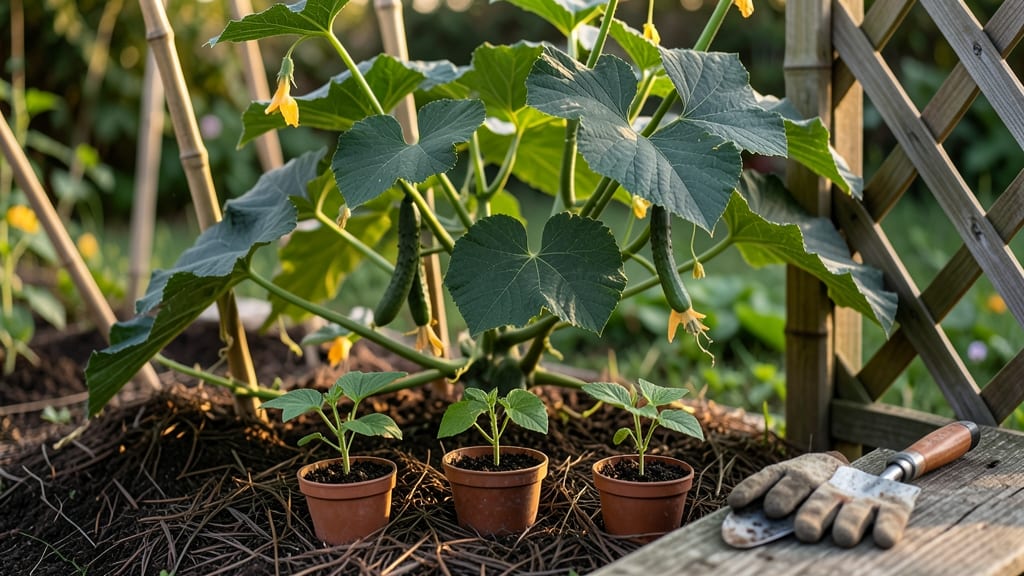
Timing your 🥒 cucumber planting in South Florida isn’t just about the calendar—it’s about outsmarting the heat. Skip the wrong window, and you’ll end up with bitter, bolted plants faster than you can say "summer storm." The key? Planting when temperatures play nice with your cucumbers’ delicate balance.
Most gardeners here know spring and fall are prime times, but did you know January through March and September through November offer the sweet spot? That’s when your cucumbers get the cool-ish starts they crave before the real heat kicks in.
But here’s the twist: coastal areas stay milder longer than inland zones, so your neighbor’s perfect timing might not work for your microclimate.
Why does this matter? Because cucumbers in South Florida face a double threat: bolting from heat stress and pests that thrive in humidity. Get the timing right, and you’ll dodge both—plus enjoy a harvest that lasts from spring’s first pick to fall’s final bounty.
Let’s break down the exact schedule that keeps your plants happy and productive all year.
From soil prep tricks to variety picks that handle the heat, I’ll show you how to turn South Florida’s long growing season into your 🥒 cucumber powerhouse. No more guesswork, just steady harvests—even when the thermometer climbs.
🥒
When to Plant Cucumber
Jan
🥒
Feb
🥒
Mar
🥒
Apr
🌱
May
🌱
Jun
🌱
Jul
🌱
Aug
🌱
Sep
🥒
Oct
🥒
Nov
🥒
Dec
🌱
South Florida cucumber planting calendar: avoiding bolting in heat zones 10-11
South Florida’s year-round growing season might seem ideal for cucumbers, but the 90°F+ heat and high humidity can trigger rapid bolting—when plants flower and fruit too quickly, leaving you with bitter, seedy cucumbers.
The key is planting during cooler months when daytime temps stay below 85°F and nights dip to 65°F or lower. This heat-zone calendar aligns with cucumber varieties’ tolerance thresholds and South Florida’s microclimates, whether you’re in coastal Miami or inland Homestead.
Cucumbers thrive in South Florida’s USDA Zones 10a-11, but timing is everything. Spring and fall are the sweet spots for direct sowing or transplanting, while summer plantings require shade cloth or succession planting to avoid stress.
Even then, heat-tolerant varieties like ‘Straight Eight’ or ‘Lemon’ perform better than standard slicing types. Below, I’ve mapped out the optimal planting windows month-by-month, including soil prep tips and spacing guidelines to maximize your harvest.
| Month |
Planting Method |
Ideal Varieties |
Soil Temp (°F) |
Spacing (ft) |
Notes |
| January |
Direct sow or transplant |
'Straight Eight', 'Lemon' |
65–75°F |
3–4 ft (rows 4 ft apart) |
Best month for zero bolting risk; use trellises. |
| February |
Direct sow or transplant |
'Armenian', 'Marketmore' |
68–78°F |
3–4 ft (rows 4 ft apart) |
Coastal areas may need light shade in afternoon. |
| March |
Direct sow (late March) |
'Suyo Long', 'Diva' |
70–80°F |
4 ft (rows 5 ft apart) |
Last ideal month before bolting risk increases. |
| April |
Succession plant (every 2 weeks) + shade cloth |
'Tyria', 'Corinto' |
75–85°F |
4–5 ft (rows 5 ft apart) |
Use 30–50% shade cloth to prevent bolting. |
| May |
Succession plant (early May) + shade cloth |
'Parade', 'Excelsior' |
80–88°F |
5 ft (rows 6 ft apart) |
High bolting risk; prioritize heat-tolerant types. |
| June–August |
Avoid planting (unless using 50% shade cloth) |
'Armenian', 'Suyo Long' |
Above 90°F |
N/A (not recommended) |
Extreme bolting risk; wait for fall. |
| September |
Direct sow or transplant |
'Straight Eight', 'Marketmore' |
75–85°F |
3–4 ft (rows 4 ft apart) |
Second peak harvest window; ideal for fall. |
| October–November |
Direct sow or transplant |
'Lemon', 'Diva' |
65–75°F |
3–4 ft (rows 4 ft apart) |
Best late-season yields; protect from hurricanes. |
Shade cloth vs. succession planting: two proven strategies to extend cucumber season
South Florida’s summer heat can push cucumbers to bolt—flowers forming without fruit—unless you take strategic action. I’ve tested two foolproof methods to keep your plants productive year-round: shade cloth and succession planting. Both work, but which one fits your garden best? Let’s break it down.
Shade cloth is my go-to for peak summer (June–August). A 30–50% shade cloth blocks harsh midday sun while letting in enough light for growth. This simple setup can extend your harvest by 4–6 weeks without extra work. For example, I’ve grown 'Straight Eight' cucumbers under shade in July with zero bolting issues.
On the other hand, succession planting means staggering your plantings every 2–3 weeks instead of one big batch. This keeps fresh cucumbers coming from spring through fall. It’s perfect for gardeners who want variety or don’t want to deal with shade setups.
Shade Cloth
Pros
- Extends summer harvests
- Reduces bolting risk
- Reusable for other crops
Cons
- Requires setup/removal
- Can trap humidity (increase fungal risk)
- Limits airflow slightly
Succession Planting
Pros
- Continuous harvests
- No extra materials needed
- Better pest management
Cons
- More space required
- Harder to manage in small gardens
- Less efficient for large-scale yields
For shade cloth, I recommend a DIY frame with PVC pipes or a pre-made hoop system. Secure the cloth with clips or weights—never staples—and leave 12–18 inches of space at the bottom for airflow. Water early in the morning to prevent fungal issues from trapped moisture.
If you choose succession planting, start with heat-tolerant varieties like 'Armenian' or 'Lemon' cucumbers. Plant every 2–3 weeks from February through October, spacing seeds 1–2 inches deep and 12–24 inches apart. This method works best in raised beds or containers for better drainage.
Both strategies have their place in South Florida gardens. Try shade cloth if you’re growing in peak summer, or succession planting for a low-maintenance, year-round supply. Whichever you pick, your cucumbers will thank you with bigger yields and fewer surprises! 🌿
★★★★★4.5(15 reviews)