
Plants
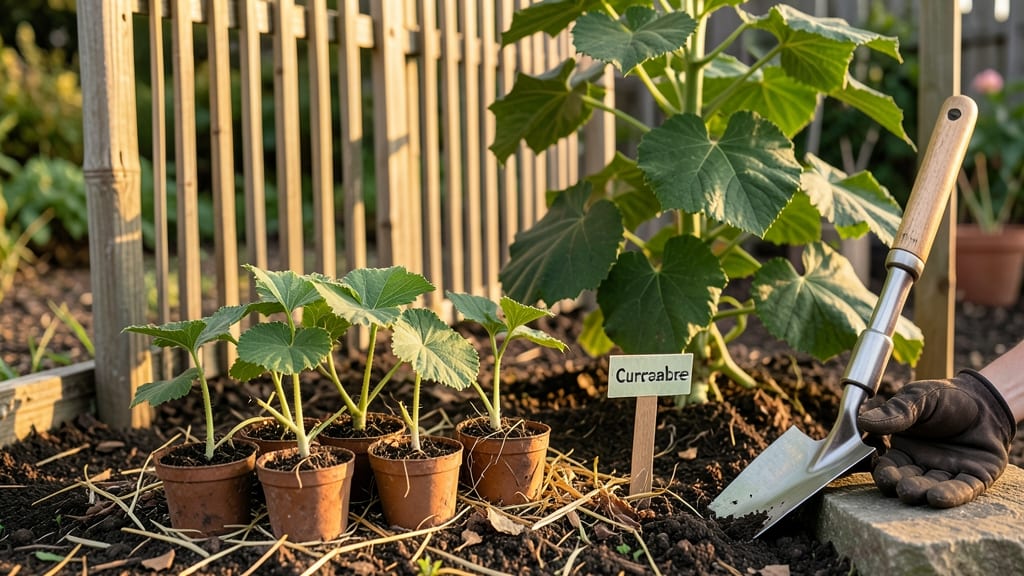
Timing your 🥒 cucumber planting in Chicago isn’t just about waiting for spring—it’s about catching that sweet spot between frost and scorching heat. Plant too early, and a late frost could wipe out your seedlings; too late, and you’ll miss the prime growing season.
The key is knowing exactly when to put those seeds in the ground for a bumper crop.
Chicago’s USDA Zone 5b-6a climate means you’ve got roughly mid-April to early June to get cucumbers in the soil after the last frost. But here’s the catch: soil temperature matters just as much as air temperature—your cucumbers need at least 60°F to thrive.
With average last frost dates around April 15, patience pays off.
Whether you’re a seasoned gardener or a first-timer, getting this right can mean the difference between a handful of sad, bolted plants and a vine-covered trellis bursting with fresh cucumbers by summer.
I’ll walk you through the exact window, soil prep tricks, and even how to adjust for Chicago’s unpredictable weather patterns.
Let’s turn your backyard into a cucumber oasis—starting with the perfect planting date for your zone.
Chicago’s 2024 cucumber planting calendar: frost dates and heat tolerance
Chicago’s USDA Zone 5b-6a climate means cucumber seeds can’t tolerate even light frost, so timing is everything.
The average last frost date hovers around May 15, but I’ve seen it swing from late April to early June—so don’t bet your seeds on averages! Soil temperature is the real game-changer: cucumbers need at least 60°F soil to germinate, and 70°F+ for vigorous growth.
Historical data from the National Weather Service shows Chicago’s frost-free window typically spans 165 days (April 15–October 15). But 2024’s unpredictable patterns mean checking the Chicago Botanic Garden’s frost alerts 1–2 weeks before planting is a must.
Pro tip: Use a soil thermometer—cold soil delays germination by weeks, and nobody wants to wait that long for crisp cucumbers!
Here’s the critical timeline I follow for Chicago cucumbers:
| Stage | Action | Chicago-Specific Tip |
|---|---|---|
| Soil Prep | Test soil pH (6.0–6.8 ideal) | Amend clay soil with compost—Chicago’s heavy soil drains poorly. |
| Last Frost Date | Wait until May 15 (or after) | Urban areas (like Logan Square) warm faster—plant 1 week earlier. |
| Soil Temperature | Aim for 70°F+ | Use black plastic mulch to raise soil temp 5–10°F faster. |
| Direct Sowing | May 20–June 1 (after last frost) | Seedlings struggle in Chicago’s cool springs—direct sowing often outperforms transplants. |
| Transplanting | April 20–May 5 (hardened-off seedlings) | Use row covers if transplanting early to protect from late frosts. |
| Harvest Window | June–September | Extend season with cold frames—Chicago’s first frost hits October 15. |
Chicago’s microclimates throw a wrench into one-size-fits-all planting. For example, Lincoln Park (urban heat island) might see 5°F warmer soil than suburban Arlington Heights by May. That means urban gardeners can plant 7–10 days earlier—but suburban areas should wait until May 25 to avoid frost risk.
Always check the NWS Chicago 5-day forecast before sowing.
Heat tolerance is another Chicago-specific hurdle. While cucumbers love warmth (80–90°F), Chicago’s July humidity can stress plants if they’re not acclimated. I’ve had bolted cucumbers (flowering without fruit) in 85°F+ heat—so provide afternoon shade cloth if temps climb past 85°F.
Varieties like ‘Straight Eight’ or ‘Marketmore 76’ handle Chicago’s unpredictable summers better than heat-sensitive types.
Pro move: Plant a succession crop every 2 weeks from May to July. This ensures a continuous harvest through September, even if early plantings bolt.
For example, sow half your seeds in late May, another half in early June, and the final batch in mid-July for a fall harvest before frost.
Don’t overlook soil warming tricks for Chicago’s cool springs. I’ve had 30% faster germination by using clear plastic tunnels or black landscape fabric 2 weeks before planting.
These raise soil temps by 10–15°F, giving cucumbers a head start. Plus, they suppress weeds—a bonus in Chicago’s weed-prone gardens!
Lastly, monitor your plants for premature bolting (long stems, yellow flowers). This happens when cucumbers sense long daylight hours (Chicago’s 15-hour June days trigger it). To delay bolting, use
Direct sowing vs. starter plants: Chicago-specific planting strategies
Deciding between direct sowing and starter plants for cucumbers in Chicago can feel overwhelming, but both methods work—if you time them right. Direct sowing after the last frost (typically May 15–20) gives cucumbers a strong start in warmer soil, while transplanting seedlings (April 20–May 5) can jumpstart your harvest.
The choice depends on your patience, space, and Chicago’s fickle spring weather.
If you’re short on time or live in an urban heat island (like downtown Chicago), starter plants are your best bet. They avoid the risk of late frosts damaging tender seedlings and let you harvest 2–3 weeks earlier.
However, they cost more upfront and require careful hardening off to prevent transplant shock in Chicago’s windy conditions.
For gardeners with longer growing seasons or cooler suburban areas (like the North Shore), direct sowing is cost-effective and lets cucumbers establish deeper roots in native soil.
Just be ready to protect seedlings with row covers if a late frost sneaks in—Chicago’s average last frost is April 15, but it can linger into May.
🌱 Direct Sowing in Chicago
- Cost-effective (no seedlings to buy)
- Deeper root development in native soil
- Better for bush varieties (compact growth)
- Risk of late frost damage (May surprises)
- Slower to mature (harvest delayed by 2–3 weeks)
- Requires weed control early on
🌿 Starter Plants in Chicago
- Faster harvest (ready in 50–60 days)
- Avoids frost risk (plant after April 20)
- Ideal for trellised varieties (e.g., 'Straight Eight')
- Higher upfront cost ($2–$4 per plant)
- Transplant shock if not hardened off properly
- Limited variety choices (local nurseries may not stock heirlooms)
For container gardening in Chicago’s apartments or balconies, starter plants are almost mandatory—5-gallon pots work well for bush varieties like 'Bush Champion,' while trellised types (like 'Marketmore') need deeper containers (10+ gallons) to support their vines.
If you’re using containers, pre-warm the soil with black plastic mulch to mimic Chicago’s slower soil warming in spring.
No matter which method you choose, soil temperature is critical. Cucumbers won’t germinate or thrive until the soil hits at least 60°F—use a soil thermometer to check, especially in cooler Chicago suburbs.
If your soil is still chilly by mid-May, opt for row covers or black plastic mulch to speed up warming and suppress weeds.
Pro tip: Extend your season by planting a second crop in early July for a fall harvest. With Chicago’s first frost averaging October 15, you’ve got about 60 days to grow cucumbers from seed—just use fast-maturing varieties like 'Straight Eight' or 'Lemon Cucumber' to beat the clock.