
Plants
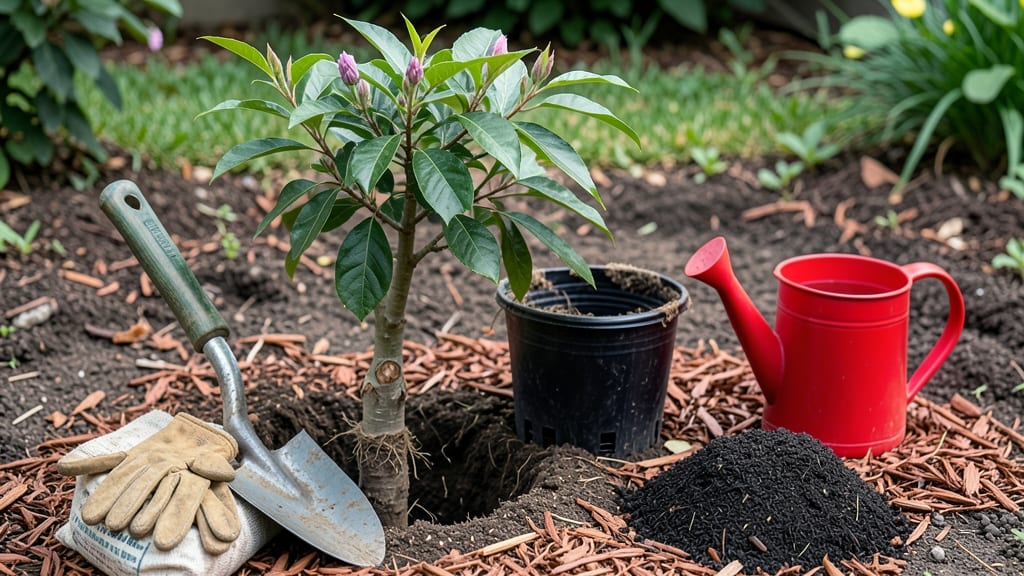
If you're dreaming of adding stunning 🌸 crepe myrtles to your North Carolina landscape, timing your planting right is the key to watching them thrive. These drought-resistant beauties love NC's climate—but plant them too early or late, and you might end up with stunted growth or worse.
The best window for planting crepe myrtles in NC is actually a two-part strategy: late winter to early spring (March-April) or early fall (September-October).
This gives their roots time to establish before summer heat or winter frost sets in, setting them up for stronger growth from day one.
Whether you're planting bare-root saplings or container-grown trees, soil temperature matters most. Aim for 60°F or warmer—that's usually after your last frost date, which varies across NC's zones 6a-8b. A little prep work now means fewer headaches later.
Let me walk you through exactly what to do to give your crepe myrtles the perfect start, from soil prep to post-planting care. You'll learn how to avoid common mistakes and keep your trees looking their best for years to come.
Best months to plant crepe myrtle in NC for optimal root establishment
North Carolina’s diverse climate zones—from the humid Coastal Plain to the cooler Appalachian Mountains—mean the best planting time for crepe myrtles varies slightly by region. However, the golden rule is to plant when the soil is warm (60°F+) and the risk of frost has passed.
This typically lands in late winter to early spring (March-April) or early fall (September-October).
Spring planting gives young roots 6-8 weeks of warm soil before summer heat sets in, while fall planting allows roots to establish before winter dormancy.
For Coastal NC (Zones 8a-8b), fall planting is ideal due to milder winters, whereas Mountain regions (Zones 6a-7a) benefit more from spring planting to avoid early frosts.
Now, let’s break down the ideal planting windows by season and region to ensure your crepe myrtle thrives from day one.
| Planting Window | Best For | Soil Temp | Regional Notes |
|---|---|---|---|
| Late Winter (Feb) | Mountain NC (Zones 6a-7a) | 45-55°F | High risk of frost; use frost cloth if needed. |
| Early Spring (March-April) | All NC Regions | 60°F+ | Best for root establishment; avoid late April in Piedmont. |
| Early Fall (September) | Coastal & Piedmont NC | 65-75°F | Ideal for Zones 7b-8b; avoid late September in Mountains. |
| Late Fall (October-Nov) | Coastal NC Only | 55-65°F | Risk of hurricane damage; plant before Nov 15. |
For Piedmont NC (Zones 7a-7b), such as Raleigh or Greensboro, aim for mid-March to early April in spring or late September in fall. These dates align with the average last frost date (March 15) and give young trees enough time to establish before summer’s peak heat or winter’s chill.
In Coastal NC (Zones 8a-8b), like Wilmington or Fayetteville, you can push fall planting into early November if temperatures stay above 50°F. The longer growing season here means crepe myrtles can handle a later start.
However, avoid planting after November 15 to prevent root shock from sudden cold snaps.
If you’re in the Mountains (Zones 6a-7a), such as Asheville or Boone, spring planting is your best bet. The cooler climate means soil warms slower, so wait until mid-April to ensure roots aren’t shocked by late frosts.
Fall planting here should wrap up by September 15 to avoid early winter freezes.
Pro tip: Check your local Cooperative Extension Service for precise frost dates in your county. They provide hyper-local planting calendars tailored to microclimates, which can save your crepe myrtle from a slow start or worse.
Once you’ve nailed the timing, the next step is preparing your soil and site. A well-draining location with 6-8 hours of sunlight and slightly acidic soil (pH 6.0-7.0) will set your crepe myrtle up for years of vibrant blooms and lush foliage.
Best months to plant crepe myrtle in NC for optimal root establishment
North Carolina’s diverse climate zones (6a-8b) mean the ideal planting window varies slightly by region, but late winter to early spring (March-April) and early fall (September-October) offer the best conditions for crepe myrtles. These two seasons provide cooler temperatures and moist soil, reducing transplant shock.
For Coastal NC (zones 8a-8b), where winters are milder, fall planting (September-October) is ideal—roots establish before first frost (typically mid-October). In contrast, Piedmont and Mountain regions (zones 6a-7b) benefit from spring planting (March-April) to avoid early winter stress.
Soil temperature is critical—wait until it reaches at least 60°F (15°C) to plant. Use a soil thermometer to check, especially in Mountain regions, where cooler soils delay planting until late April. In Coastal areas, soil warms earlier, allowing September planting.
| Region | Best Planting Window | Soil Temp Requirement | Key Consideration |
|---|---|---|---|
| Coastal NC (8a-8b) | September-October (fall) or March-April (spring) | ≥60°F (15°C) | Milder winters; avoid hurricane season (June-Nov) |
| Piedmont (7a-7b) | March-April (spring) or September (early fall) | ≥60°F (15°C) | Moderate climate; spring frost risk in March |
| Mountain (6a-6b) | April-May (spring only) | ≥65°F (18°C) | Cooler soils; fall planting too risky for winter survival |
If you miss the ideal window, bare-root crepe myrtles can be planted in late winter (February) as long as the ground isn’t frozen. However, container-grown trees offer more flexibility—plant them anytime the soil isn’t frozen, but spring or fall still yields the best results.
For container planting, adjust timing to avoid extreme heat (July-August) or freezing temperatures (December-February). In Coastal NC, containers can stay planted year-round if protected from hurricane winds, but root establishment is slower in containers.
After planting, focus on deep watering (2-3 gallons per tree) and mulching to retain moisture. Crepe myrtles thrive with 6-8 hours of sunlight, so choose a location with full sun exposure for optimal growth and vibrant blooms.