
Plants
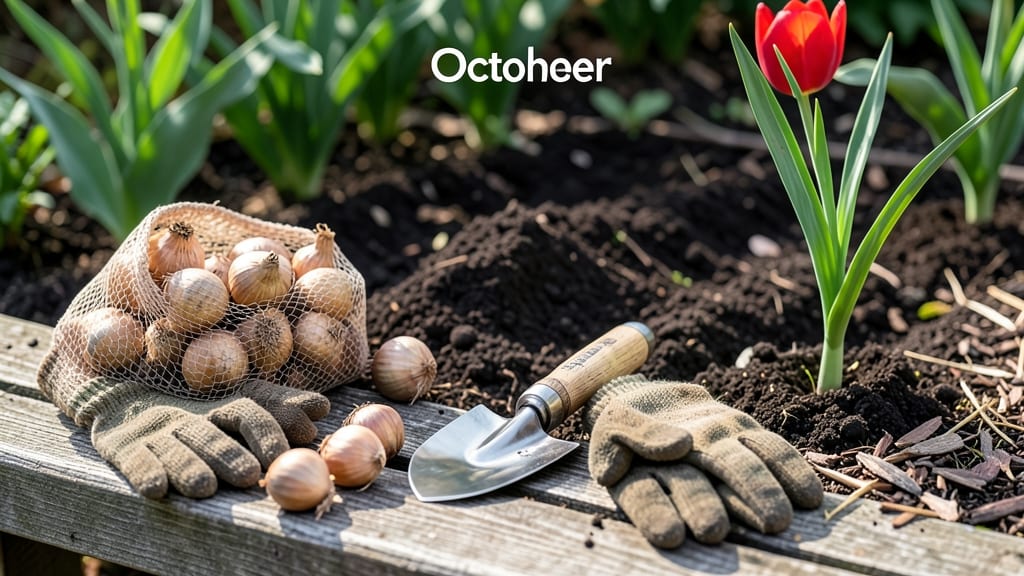
Planting tulips in North Carolina at the wrong time can mean blooms that never appear—or worse, bulbs that rot before spring. The 7a-8b zones here create a tricky balance, where a 2-week window difference between counties can mean success or failure.
But don’t worry—this guide breaks down the exact months and microclimate factors to help you time it perfectly.
Most gardeners in North Carolina plant tulips between October and December, but your county’s frost dates and elevation can shift that window by weeks. For example, Asheville’s cooler climate may need earlier planting than Raleigh’s milder winters.
We’ll show you how to adjust based on your local frost-free dates and soil temperatures.
Beyond the calendar, factors like urban heat islands and proximity to water can change your ideal planting date. A soil thermometer and frost-free date calculator are your best tools for precision. Let’s dive into the specific steps to ensure your 🌷 tulips thrive next spring.
You’ll also discover the best tulip varieties for North Carolina’s climate and how to plant them for maximum blooms. Whether you’re in the mountains or the coast, these tips will help you avoid common mistakes and get the vibrant garden you’ve been dreaming of.
North Carolina tulip planting calendar by USDA heat zones (6a–8a)
North Carolina spans USDA Zones 6a–8a, meaning your tulip planting window can shift by 6 weeks depending on where you live. In Zone 6a (mountains like Asheville), aim for mid-October to early November—when soil temps hit 40–50°F.
Meanwhile, Zone 8a (coastal areas like Wilmington) can plant until mid-December since winters are milder. The key? Plant 4–6 weeks before your first hard frost, which varies wildly across the state.
For Zone 7a (Raleigh, Durham), the sweet spot is late October to early November. If you’re in Zone 7b+ (Charlotte, Fayetteville), push planting to November 1–15—deeper planting (8+ inches) helps bulbs survive warmer winters.
Always check your last frost date (NC State Extension has county-specific tools) to avoid planting too late.
Here’s how to adjust for microclimates within zones: Urban areas (like Raleigh) may freeze 2 weeks earlier than rural spots, while valleys (e.g., Boone) can get frost 3 weeks sooner than nearby ridges. Test your soil with a thermometer—plant when it’s consistently 40–50°F at 6-inch depth.
🌷
If you miss the fall window, January planting is your last chance—but only in Zone 8a. Plant bulbs 6–8 inches deep and keep soil moist until roots establish.
However, blooms may be smaller or delayed compared to fall-planted tulips. For Zone 6a–7a, spring planting is risky; bulbs often rot before winter.
Pro tip: Use mulch (3–4 inches) after planting to insulate bulbs from freeze-thaw cycles, which can damage emerging roots. In Zone 8a, skip heavy mulch—warmer winters can cause bulbs to sprout prematurely and die back.
For container gardening, plant tulips in October–November regardless of zone. Containers warm up faster and cool down quicker, so monitor soil temps closely. Use a lightweight potting mix with perlite to prevent waterlogging, which is deadly for bulbs.
🌿
Remember: Soil prep is half the battle. Work in compost or aged manure before planting to improve drainage—North Carolina’s clay-heavy soils can strangle tulip bulbs. Amend with sand or peat moss if your soil feels gummy when squeezed.
Aim for a pH of 6.0–7.0; test kits are cheap and save you from guesswork.
Finally, label your bulbs if planting a mix of varieties. Some tulips (like Darwin Hybrids) bloom 2–3 weeks later than early varieties, and you’ll want to track which ones thrive in your microclimate.
North Carolina tulip planting calendar by USDA heat zones (6a–8a)
North Carolina’s USDA heat zones (6a–8a) create dramatic differences in tulip planting success. In Zone 6a (mountains like Asheville), you’ll plant 6–8 weeks before the first hard frost (usually mid-October to early November), while Zone 8a (coastal areas like Wilmington) extends your window until early December.
The key? Soil temperatures must drop to 40–50°F—use a soil thermometer to confirm readiness.
For Zone 7a (Raleigh, Charlotte), aim for late October to mid-November, aligning with the state’s average first frost date of November 15.
In warmer Zone 7b+ (e.g., Fayetteville), plant deeper (8 inches) to protect bulbs from mild winters. Zone 8a gardeners can push planting to December 1–10, but risk rot if soil stays above 50°F for too long.
🌷 North Carolina Tulip Planting by Zone
| Zone | County Examples | Planting Window | Soil Temp Goal | Depth |
|---|---|---|---|---|
| 6a | Asheville, Boone | Oct 15–Nov 1 | 40–50°F | 6–7 inches |
| 7a | Raleigh, Greensboro | Oct 25–Nov 15 | 45–50°F | 6–8 inches |
| 7b+ | Fayetteville, Durham | Nov 1–15 | 50°F (deeper) | 8 inches |
| 8a | Wilmington, Jacksonville | Dec 1–10 | 40–45°F | 8–10 inches |
Missed the fall window? Zone 7a–8a gardeners can plant late-winter tulips (like ‘Greigii’ or ‘Kaufmanniana’) in January for spring blooms. However, these varieties bloom 2–3 weeks later than traditional fall-planted tulips. Zone 6a gardeners should avoid spring planting—cold snaps can kill unhardened bulbs.
Pro tip: Use mulch (3–4 inches) after planting to insulate bulbs and regulate soil temps. In Zone 8a, opt for organic mulch (straw or leaves) to prevent overheating. Always plant in well-draining soil—North Carolina’s clay-heavy soils (common in the Piedmont) need amended with compost to avoid bulb rot.
For container gardening, plant tulips in October–November regardless of zone. Use large pots (12+ inches deep) with drainage holes and keep containers in a cool, dark place (like a garage) until spring. Move pots outdoors after the last frost to trigger blooming.
Remember: Timing is everything. Plant too early, and bulbs may sprout and freeze. Plant too late, and they won’t establish roots before winter.
Use your local Cooperative Extension office’s frost data to fine-tune your schedule—NC State Extension provides county-specific frost maps that can shift your window by 1–2 weeks.