
Plants
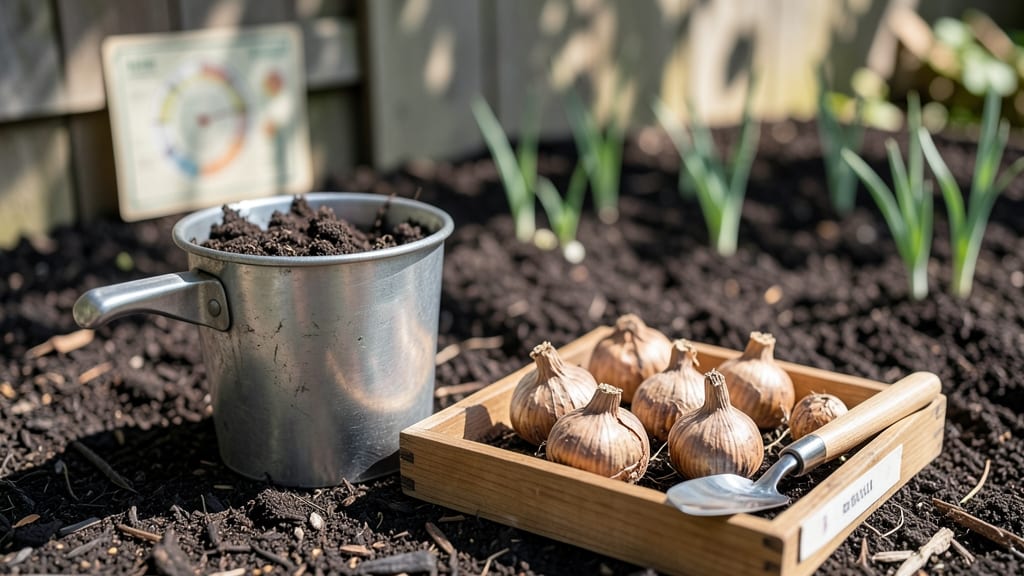
Timing your tulip planting in Georgia isn't just about picking a month—it's about mastering the delicate balance between heat, chill hours, and frost.
If you plant too early, your bulbs may rot in the warm soil; too late, and your 🌷 blooms could arrive after the first frost, leaving you with nothing but disappointment.
Here's the secret: Georgia's mild winters mean traditional tulips need a little help to break dormancy. Most varieties thrive when planted 6-8 weeks before the first hard frost, typically between October and December.
But in warmer zones like 7b-8b, even that window can shift depending on your microclimate.
What you'll discover is how to read your local climate cues—soil temperature, frost dates, and even your yard's specific heat patterns—to pinpoint the perfect planting moment. I'll walk you through the exact steps to prepare your soil, choose the right varieties, and protect your investment from Georgia's unpredictable weather swings.
Whether you're a first-time gardener or a seasoned pro, getting this right means vibrant spring displays that make all the winter prep worthwhile. Let's get your tulips in the ground at just the right moment.
Georgia’s chill-hour requirements for tulips: what you must know
Tulips thrive when they experience a cool dormancy period, but Georgia’s mild winters—especially in USDA Zones 7b-8b—create challenges. Most tulip varieties need 12–15 hours below 45°F to bloom reliably.
Without enough chill hours, bulbs may produce fewer flowers or none at all. Here’s how to work with Georgia’s climate for stunning spring blooms.
In Northern Georgia (Zones 7a-7b), chill hours are slightly more abundant, but Southern Georgia (Zones 8a-8b) often falls short. The key is selecting low-chill varieties or supplementing dormancy. For example, ‘Darwin Hybrid’ tulips tolerate partial chill better than traditional varieties, making them ideal for Georgia gardens.
If you’re in Zone 8b (coastal areas), traditional tulips may struggle. Instead, opt for Fosteriana or Kaufmanniana tulips, which require fewer chill hours (as few as 500–800). These varieties often bloom earlier in spring and handle Georgia’s humidity better than standard tulips.
To supplement chill hours, store bulbs in a cool, dark place (like a refrigerator) for 6–8 weeks before planting. Place them in a paper bag with peat moss to mimic winter conditions.
This trick works especially well for gardeners in Zone 8a and below, where natural chill hours are scarce.
Another critical factor is soil temperature. Tulip bulbs should only be planted when soil temps drop below 60°F. Use a soil thermometer to monitor conditions—planting too early in warm soil can cause rot or premature sprouting.
Aim for October–November in most of Georgia, but adjust for your specific microclimate.
Mulching plays a huge role in protecting bulbs during winter. Apply 2–3 inches of mulch (like straw or shredded leaves) after planting to insulate the soil. This helps maintain consistent temperatures and prevents freeze-thaw cycles that can damage bulbs. Remove mulch in early spring once shoots emerge.
For gardeners in Zone 8b (coastal Georgia), consider spring planting as an alternative. While fall planting is ideal, bulbs can be planted in January–February if chilled beforehand. This method works best with pre-chilled bulbs from nurseries or those stored in a refrigerator.
Here’s a quick chill-hour cheat sheet for Georgia gardeners: Northern Georgia (Zones 7a-7b) typically gets 800–1,200 chill hours, while Southern Georgia (Zones 8a-8b) often sees 500–800 hours. If your area falls below 800 chill hours, focus on low-chill varieties or supplement with refrigeration.
Remember, not all tulips are created equal. Some varieties, like ‘Apeldoorn’ or ‘Parrot tulips’, demand more chill hours and may fail to bloom in Georgia’s climate. Stick to heat-tolerant, low-chill types for the best results.
🌱
| USDA Zone | Avg. Chill Hours | Best Varieties | Planting Window |
|---|---|---|---|
| 7a-7b (North GA) | 800–1,200 | Darwin Hybrid, Fosteriana, Parrot | Oct–Nov |
| 8a (Central GA) | 500–800 | Kaufmanniana, Greigii, Early Spring | Oct–early Nov |
| 8b (South GA/Coastal) | <500 | Fosteriana, Species Tulips | Jan–Feb (pre-chilled) |
By understanding your local chill hours and choosing the right tulip varieties, you can enjoy vibrant spring blooms even in Georgia’s warm climate. Start with low-chill types, supplement dormancy if needed, and plant at the right soil temperature for the best results.
Pro tip: Keep a gardening journal to track which varieties perform best in your specific microclimate. Over time, you’ll refine your approach and create a tulip display that thrives year after year.
🌷
Best planting timeline for Georgia: month-by-month heat-Zone guide
Georgia’s USDA Zones 7b-8b create unique challenges for tulip planting, with North Georgia (like Athens) getting cooler winters than South Georgia (like Savannah). Your planting window depends on when soil temps drop below 60°F—typically October to December, but timing shifts 2-3 weeks earlier in northern regions.
For North Georgia (Zones 7a-7b), aim to plant 6-8 weeks before the first hard frost (usually mid-October to early November).
In Central Georgia (Zone 7b-8a), extend the window to late October to December, while South Georgia (Zone 8a-8b) can plant as late as December—though blooms may be smaller.
📅 Georgia Tulip Planting Timeline
- 🌱 September (North GA only): Prep soil with compost; test for well-draining conditions. (South GA: Skip)
- 📅 October (All Regions): Plant Darwin Hybrid or Fosteriana tulips by mid-October for best chill exposure.
- ❄️ November (Critical Window): Plant standard tulips by November 15 in North GA; December 1 in South GA.
- 🌡️ December (Last Chance): Only plant low-chill varieties (e.g., ‘Red Emperor’) if soil is below 60°F.
- ❄️ January (Emergency): Do not plant—bulbs won’t establish roots before spring warmth.
Pro tip: Use a soil thermometer to confirm temps are consistently below 60°F before planting. In South Georgia’s Zone 8b, where winters are milder, focus on Fosteriana tulips, which tolerate fewer chill hours (as few as 10-15 hours).
After planting, mulch with 2-3 inches of straw to insulate bulbs from freeze-thaw cycles, which can damage emerging roots. Remove mulch in late winter (February) to prevent rot from excess moisture as temps rise.
If you miss the fall window, spring planting is risky but possible with pre-chilled bulbs (buy from nurseries that refrigerate stock). Plant in February and expect smaller blooms or no flowers the first year.
For container gardening, plant tulips in October-November in pots with drainage holes. Move containers to a garage or cold frame during freezing nights (below 25°F) to protect bulbs.