
Plants
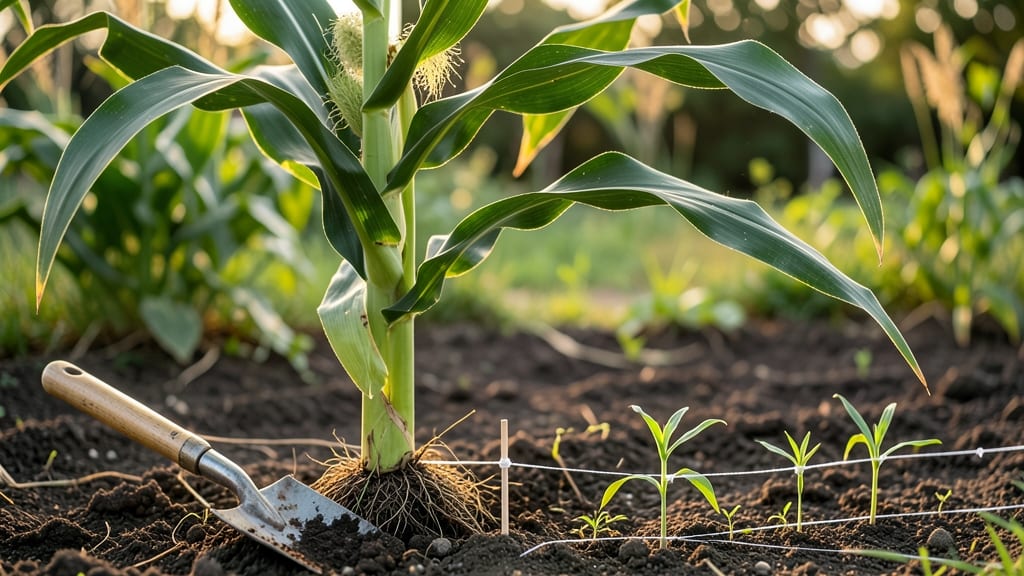
Timing when to plant corn in New Hampshire just right isn’t just about the calendar—it’s about soil temperatures that guarantee fast germination and a bumper crop.
Skip the guesswork and plant when the ground hits 60°F or warmer, typically between mid-May and early June, to outsmart the region’s fickle spring weather.
Here’s the secret: New Hampshire’s USDA zones 5b-6a mean your last frost date might not tell the whole story. While the average frost passes around May 15, waiting for consistently warm soil (test it with a thermometer!) ensures your corn sprouts within 7-10 days instead of weeks.
Why does this matter? Planting too early risks cold-soaked seeds, while waiting too long cuts your growing season short. I’ll show you how to pick the perfect window, choose the right varieties for NH’s climate, and even troubleshoot common mistakes that derail harvests.
Ready to grow corn that’s taller than a basketball hoop and ready to pick by late August? Let’s dive into the exact steps—no more second-guessing your planting date.
New Hampshire corn planting timeline based on soil temperature zones
New Hampshire’s USDA zones 5b-6a and short growing season demand precise timing for corn planting. The key to success lies in waiting for soil temperatures to stabilize at 50°F+ and air temperatures to consistently stay above 60°F.
In most regions, this typically falls between mid-May and early June, but your exact window depends on elevation and microclimates.
Southern NH (e.g., Portsmouth, Dover) often sees earlier last frost dates (April 20-May 5), allowing corn to be planted as early as late April if soil conditions are right.
Meanwhile, northern areas like Littleton or Berlin may need to wait until early June due to later frost risks and cooler soils.
Here’s how to align your planting with NH’s three distinct soil temperature zones:
| Zone | Soil Temp Threshold | Planting Window | Last Frost Date | Corn Variety Recommendation |
|---|---|---|---|---|
| Southern NH | 50°F+ (consistent) | Late April–May 15 | April 20–May 5 | ‘Country Gentleman’ (90 days) |
| Central NH | 55°F+ (consistent) | May 1–May 20 | May 10–May 15 | ‘Ambrosia’ (85 days) |
| Northern NH | 60°F+ (consistent) | May 15–June 5 | May 20–June 1 | ‘Golden Bantam’ (75 days) |
For elevation adjustments, add 1–2 weeks later for every 1,000 feet above sea level. For example, if you’re gardening in Mount Washington’s foothills (3,000+ ft), aim for early June planting even if your neighbors in Concord are planting in May.
Use the NH Agricultural Experiment Station’s frost date calculator (available at extension.unh.edu) to refine your timeline. This tool accounts for historical frost patterns and helps you avoid late spring freezes, which can devastate young corn seedlings.
Pro tip: Plant in blocks, not rows, to ensure uniform maturity. This is especially critical in NH’s variable weather, where a single late frost can wipe out a single row while leaving others unaffected.
If you’re starting indoors (for early varieties), begin seeds 4–6 weeks before your last frost date in biodegradable pots to minimize transplant shock. Harden off seedlings for 7–10 days before transplanting into the garden.
Monitor your garden’s microclimate—south-facing slopes warm up faster than shaded areas. A 5–10°F difference in soil temperature can mean the difference between fast germination and failed crops.
Finally, consider succession planting every 2 weeks until June 15 to extend your harvest window. This strategy ensures you’ll have fresh corn from late August through September, even if early plantings struggle with drought or pests.
How to test soil temperature and adjust planting for NH’s unpredictable spring
New Hampshire’s spring weather can swing from freezing nights to unseasonably warm days faster than you can say "planting season." To avoid rotten seeds or stunted seedlings, I’ve learned to rely on soil temperature more than the calendar.
A soil thermometer becomes your best friend—it tells you exactly when the ground is ready for corn seeds to sprout reliably.
Corn seeds need consistent soil temperatures of at least 50°F (10°C) to germinate, but they’ll grow 3x faster when soil hits 60°F (15°C). In my Zone 5b garden, this usually means waiting until late May, but I’ve seen years where April planting worked—and others where June was safer.
The key? Daily checks for at least a week before planting.
Here’s the critical rule I follow: If your soil stays below 55°F (13°C) for more than 3 consecutive days, hold off. Cold soil slows germination, leaving seeds vulnerable to fungal diseases like Pythium.
I’ve planted Golden Bantam corn too early, only to watch it rot in the ground—a lesson I won’t repeat.
⚠️ Watch Out for False Springs!
A 5-day warm spell in April doesn’t mean it’s safe to plant. NH’s last frost date can vary by 2 weeks from the coast to the White Mountains. Always wait 2 weeks after the average last frost (usually May 15) plus confirm soil temps.
To test soil temperature like a pro, bury your thermometer 2 inches deep—that’s where corn seeds will be. Check it in the morning (before sunlight warms the surface) and in the evening.
If temps dip below 50°F at night, your seeds may not germinate. Pro tip: Black plastic mulch can raise soil temps by 5-10°F—perfect for extending the season in cooler microclimates.
For fastest germination, I plant short-season varieties like ‘Country Gentleman’ (85 days) when soil hits 60°F consistently. If you’re in northern NH (Zones 4-5), consider using a seedling warmer or planting in black pots to absorb heat.
In southern NH (Zones 6a), you might get away with planting 1-2 weeks earlier, but always verify with your local NH Agricultural Experiment Station frost maps.
Remember: Patience wins. Rushing into the garden without checking soil temps is how you end up with patchy, slow-growing corn. I’ve learned that a few extra days waiting for perfect conditions means healthier plants and a bigger harvest by fall. Trust the thermometer, not the forecast! 🌱