
Plants
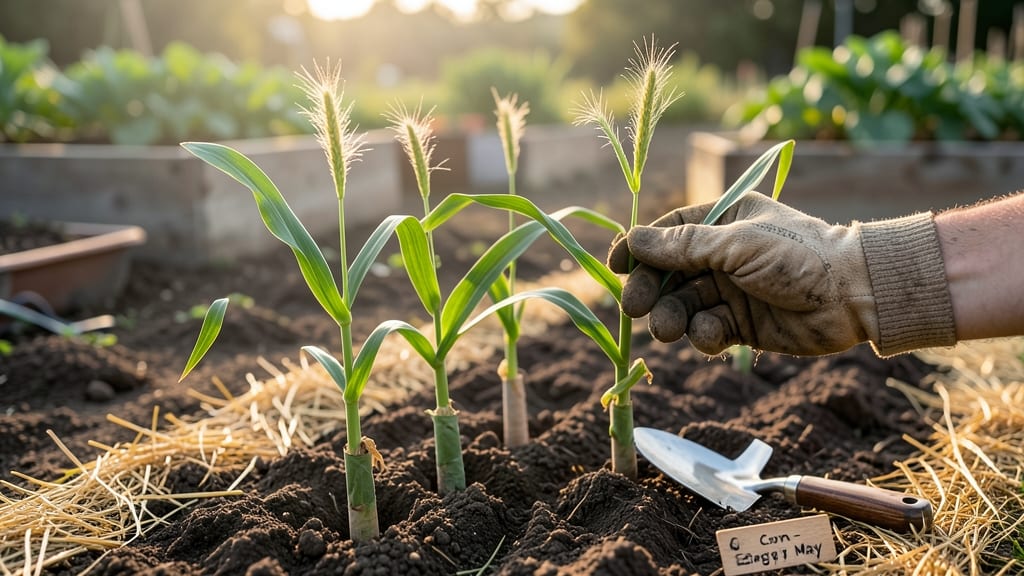
Timing your corn planting in Zone 6b just right could mean the difference between a thriving 🌽 harvest and wasted seeds—getting those dates perfect ensures strong germination before summer heat kicks in.
If you've ever watched your corn seeds sit stubbornly in cold soil or bolt too quickly in warm weather, you know how critical the right window is.
Zone 6b gardeners face unique challenges with its mid-April to early May frost-free window, where soil temperature swings can make or break your crop.
I'll walk you through exactly when to plant for maximum success, including soil temperature tricks and regional adjustments that work in Zone 6b. No more guessing—just reliable, actionable timing to grow corn that actually produces.
From spacing secrets to companion planting tips, you'll discover how to turn your Zone 6b garden into corn-growing gold. Let's get those seeds in the ground at the perfect moment.
Optimal planting dates for corn in Zone 6B based on last frost
Corn thrives in Zone 6B when planted after the last spring frost, which typically occurs around mid-April in most areas. However, the exact timing depends on your local microclimate—urban areas may warm faster than rural spots.
Aim to plant 2-3 weeks after frost to ensure soil warmth without risking late frosts that can blacken tender seedlings.
For early varieties like 'Silver Queen' or 'Ambrosia', start seeds indoors 2 weeks before the last frost date. Transplant seedlings outdoors when they reach 4-6 inches tall and soil temperatures consistently stay above 50°F.
This gives you a head start on the growing season and helps avoid the 3-4 week lag of direct-sown seeds.
The ideal planting window for Zone 6B stretches from late April to early May. This timing balances soil warmth with the need to harvest before the first fall frost, usually around mid-October. Planting too early risks frost damage, while late plantings may not mature before cold snaps arrive.
Here’s how to adjust for your specific location: Check your local frost dates (use the USDA Plant Hardiness Zone Map or your county extension office) and add 2-3 weeks for a safe buffer. For example, if your last frost is April 22nd, plant outdoors by May 5th.
| Planting Method | Zone 6B Window | Soil Temp Requirement | Notes |
|---|---|---|---|
| Direct Sowing | Late April - Early May | 50-60°F (10-15°C) | Best for warm-season varieties; plant in blocks, not rows. |
| Indoor Starts | 2 Weeks Before Last Frost | 65-75°F (18-24°C) | Transplant when soil is 50°F+ and seedlings are 4-6" tall. |
| Succession Planting | Every 2 Weeks Until June 15 | 50°F+ (10°C+) | Extend harvest season; stop by mid-June to avoid late-season maturity issues. |
If you’re unsure about your soil temperature, use a soil thermometer to check 2 inches deep in the morning. Corn seeds won’t germinate below 50°F, and optimal germination occurs at 60-70°F.
Pro tip: Lay black plastic mulch over the soil 1 week before planting to warm it faster—this can shave off 5-7 days of waiting time.
For northern Zone 6B areas (e.g., near the Canadian border), err on the side of late planting (early May) to avoid late frosts.
In southern Zone 6B (e.g., near the Tennessee Valley), you can plant as early as mid-April and even try a late summer crop in July for a fall harvest.
Corn is a short-season crop, so timing is everything. Plant too early, and frost will kill seedlings; too late, and you’ll miss the harvest window. The 75-day rule applies: Count back 75 days from your first fall frost date to determine your latest planting window.
For Zone 6B, this usually lands in early July for a fall harvest.
Don’t forget to space corn properly—plant in blocks (not rows) with seeds 4-6 inches apart and rows 24-36 inches apart. This encourages cross-pollination and maximizes ear production. Pair corn with beans or squash for a classic Three Sisters companion planting combo that boosts yields.
🌱
Soil temperature guide: when corn seeds will actually germinate in Zone 6B
Corn seeds won’t sprout until the soil reaches 50-60°F—any cooler and they’ll rot in the ground. In Zone 6B, this typically happens 2-3 weeks after the last frost, but early-season cold snaps can delay germination.
Monitoring soil temperature is the key to knowing when it’s truly safe to plant.
Use a soil thermometer (just $10 at garden centers) to check temperatures at 6 inches deep, where corn seeds need warmth to germinate.
If your thermometer reads below 50°F, wait at least 5-7 days for the soil to warm naturally or use black plastic mulch to speed up the process.
Here’s how to adjust your planting timeline if cold weather delays warming:
If your soil stays below 50°F past mid-May, consider succession planting with fast-maturing varieties like ‘Early Sunglow’ (60 days to harvest). These can tolerate slightly cooler soils and still produce ears before summer heat peaks.
Pro tip: Cover seeds with row covers or old blankets for 24 hours after planting to add 5-10°F of warmth and boost germination rates in chilly Zone 6B springs.
Remember, corn seeds germinate best at 60-90°F, but they’ll still sprout at 50°F—just much slower. The 10-day rule applies: if soil temps drop below 50°F for 10+ days, your seeds may never sprout.