
Plants
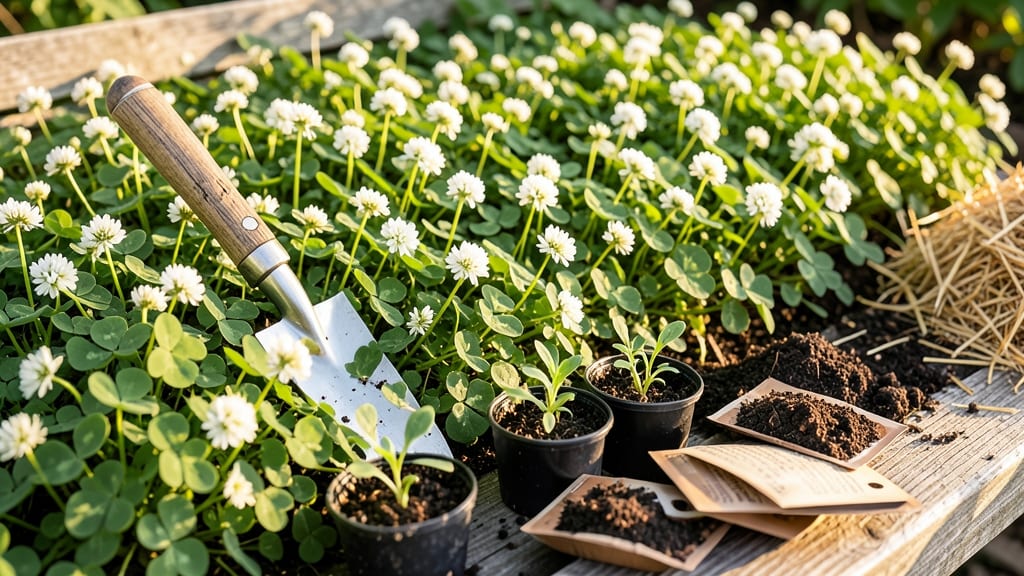
Timing your clover planting in Massachusetts can mean the difference between a lush, nitrogen-rich ground cover and a wasted effort. Whether you're prepping for spring blooms or fall establishment, getting it right ensures your 🌱 thrives in the 6a climate without battling frost or weeds.
Most gardeners in New England swear by planting clover in early spring—right after the last frost around mid-April—but fall offers a secret advantage. The key is understanding how soil temps and daylight affect germination, so you can choose the window that works best for your yard’s microclimate.
In this guide, I’ll break down exactly when to plant—whether you prefer the fast results of spring or the steadier growth of fall—and share soil prep tips to set your clover up for success. No more guesswork, just proven strategies for Massachusetts gardens.
Ready to transform your lawn into a thriving ecosystem? Let’s get started with the timing that’ll have your clover spreading in no time.
Best planting windows for clover in Massachusetts: spring vs fall breakdown
Clover thrives in Massachusetts’ USDA Zone 6a, but timing is critical to avoid frost damage or weed competition. The ideal windows are early spring (March–April) and early fall (September–October), aligning with soil temperatures and frost-free periods.
Spring planting gives clover a 3–4 month head start before summer heat, while fall planting leverages cool soil temperatures for root establishment. Both methods work, but your choice depends on your specific clover variety and local microclimate.
Here’s how white clover, red clover, and crimson clover compare in Massachusetts’ two planting seasons:
| Factor | Spring Planting (March–April) | Fall Planting (September–October) |
|---|---|---|
| Best For | White clover, fast ground cover | Red/crimson clover, perennial establishment |
| Soil Temp | 50–60°F (ideal for germination) | 40–50°F (roots establish before frost) |
| Frost Risk | Low after April 15 (last frost date) | Moderate (plant 6+ weeks before first frost) |
| Establishment Speed | 4–6 weeks to full cover | 6–8 weeks (slower but hardier) |
| Weed Competition | High (early spring weeds) | Low (cooler temps slow weeds) |
| Best Variety | Dutch white clover (fastest) | Crimson clover (hardiest) |
For spring planting, aim for late March to early April when soil temperatures consistently reach 50°F. Use a soil thermometer to confirm—clover seeds need warmth to sprout. In western MA (Zone 6a), this is typically 2–3 weeks earlier than coastal areas.
Fall planting in September–early October works best for red and crimson clover, which establish deeper roots before winter. Plant 6–8 weeks before first frost (usually mid-October) to allow germination but prevent winter kill.
Pro tip: If you’re in southern MA (Zone 7a), extend your fall window to late October. For northern MA (Zone 5b), stick to early September to avoid early frosts.
Both seasons offer benefits—spring for speed, fall for resilience. Test a small patch of each to see which works best in your yard! 🌱
Best planting windows for clover in Massachusetts: spring vs fall breakdown
Massachusetts’ cool, humid climate and variable frost dates make timing critical for clover success. Unlike annuals, clover thrives as a perennial ground cover, so planting too early risks frost damage, while late planting lets weeds dominate.
For white, red, and crimson clover, the sweet spot is either early spring (April–May) or early fall (September–October)—both strategies work, but with key differences.
Spring planting gives clover 6–8 weeks of warm soil before summer heat, while fall planting leverages cool autumn temps for root establishment before winter dormancy. In USDA Zone 6a (most of MA), aim for after the last frost date (April 15) or 6–8 weeks before first frost (October 15).
Microclimates near the coast may extend your window by 1–2 weeks.
| Factor | Spring Planting (April–May) | Fall Planting (September–October) |
|---|---|---|
| Best For | Fast summer coverage | Winter-hardy varieties |
| Soil Temp | 50–60°F (ideal) | 40–50°F (safe) |
| Frost Risk | Low (post-April 15) | Moderate (Oct 1–15) |
| Establishment Time | 4–6 weeks | 6–8 weeks |
| Weed Competition | High (spring weeds) | Low (fall dormancy) |
| Best Varieties | White clover (fastest) | Crimson clover (hardy) |
For spring planting, choose white clover for quick coverage or red clover for deeper soil improvement. Start seeds indoors in late March (6–8 weeks before last frost) or direct-sow after April 15. Mulch lightly with straw to retain moisture during MA’s unpredictable spring rains.
Fall planting favors crimson clover and alsike clover, which handle early autumn frosts better. Sow seeds by September 15 to allow roots to establish before winter. In western MA (Zone 5b), push planting to late September to avoid early snow.
Always test soil pH (6.0–7.0) before planting—clover struggles in acidic or compacted soil.
Pro tip: Mix clover seeds with rye or vetch for temporary weed suppression while clover establishes. This combo works especially well in sandy coastal soils (e.g., Cape Cod) where organic matter drains quickly. Avoid planting clover in shady spots—it needs 4–6 hours of sun daily to thrive.
Remember, clover’s nitrogen-fixing roots improve soil over time, but rushing the process leads to thin, weed-infested patches. Patience pays off—wait for soil temps above 50°F before planting, and you’ll see lush growth within 3–4 weeks.