
Plants
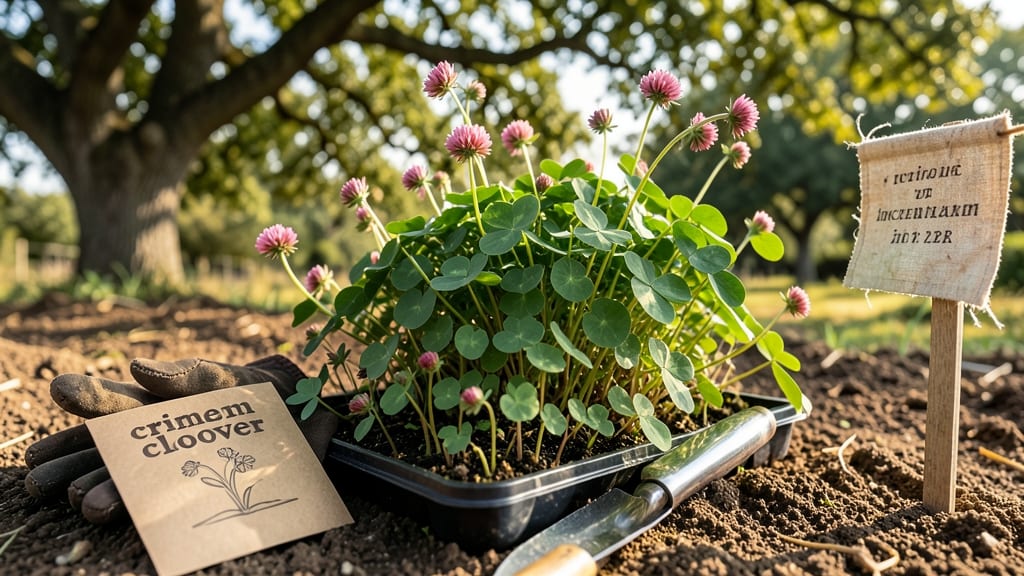
If you're planting crimson clover in Tennessee, timing it right is the secret to thriving spring blooms and healthier soil. This vibrant 🌸 cover crop thrives when sown in late summer to early fall, but getting the window just right makes all the difference between strong growth and wasted effort.
Tennessee's 6a-7b climate zones mean your planting schedule should align with local frost dates and soil temperatures. Miss the ideal window, and you risk weak establishment or missed benefits like erosion control and pollinator support. Let’s break down exactly when to plant for maximum success.
Fall planting is the golden standard for crimson clover in Tennessee, but spring options exist too. We’ll compare both approaches and share pro tips for overseeding lawns or pastures, so you can choose what works best for your goals—whether it’s winter forage, spring blooms, or soil enrichment.
Ready to set your crimson clover up for success? I’ll walk you through the exact dates, soil prep, and regional tweaks to ensure your cover crop thrives from day one. Let’s get started!
Optimal planting windows for crimson clover in Tennessee’s climate zones
Tennessee’s diverse climate—from the cooler East Tennessee mountains to the warmer West Tennessee plains—means planting crimson clover requires precision. The ideal window is late summer to early fall (August–October), when soil temperatures drop below 85°F but before first frost (typically mid-October). This timing ensures strong root establishment before winter dormancy.
For West Tennessee (USDA Zone 7b), aim for September 1–15, while Middle Tennessee (Zone 7a) gardeners should plant by September 15–30. In East Tennessee (Zone 6a), start as early as August 15 to avoid early frosts.
These dates align with soil temperature thresholds (60–70°F) and frost-free averages of 180–220 days.
Spring planting is possible but riskier—seedlings may struggle with summer heat stress. If planting in spring, target March–April, but prioritize fall planting for best results.
🌸
Missed the fall window? Don’t panic—spring planting is still viable if you prepare soil early. However, fall-planted clover outperforms spring plantings by 30–50% in biomass production, thanks to cooler temperatures and reduced weed competition.
For overseeding lawns or pastures, use a slit seeder in late summer to ensure seeds make contact with soil. Avoid planting when soil is waterlogged or dry and crusty, as both conditions hinder germination.
Pro tip: Mark your calendar for September 15—this is the sweet spot for most of Tennessee. By then, summer weeds are controlled, and soil moisture is ideal for seedling establishment.
🌱
In West Tennessee, where summers linger longer, extend planting to early October if nighttime temperatures stay above 50°F. Use a light mulch (straw or leaves) to insulate seeds if planting near the frost date.
For East Tennessee’s cooler microclimates, prioritize August planting to avoid early October frosts. Test soil pH (ideal range: 6.0–7.0) before planting, as acidic soils slow germination.
💧
Optimal planting windows for crimson clover in Tennessee’s climate zones
Tennessee’s diverse climate—from the humid East to the drier West—means planting windows for crimson clover vary by region. The ideal window is late summer to early fall (August through October), but exact dates depend on your USDA zone (6a-7b) and frost averages.
In West Tennessee (Zone 7b), you can push planting until early November, while East Tennessee (Zone 6a) gardeners should finish by mid-October to avoid winter kill.
Crimson clover thrives when planted 4-6 weeks before the first hard frost. For most of Tennessee, this means mid-August to mid-September is the sweet spot. Soil temperatures should stay above 60°F (15°C) for at least 2 weeks post-planting to ensure germination.
If you’re overseeding in lawns or pastures, aim for late August to let seeds establish before winter rains.
Here’s how Tennessee’s three main regions break down for planting:
| Region | USDA Zone | Best Planting Window | Soil Temp Threshold | Notes |
|---|---|---|---|---|
| West TN | 7b | Late Aug - Early Nov | 60°F+ (15°C) | Drier climate; water deeply after planting. |
| Middle TN | 6b-7a | Mid-Aug - Mid-Oct | 60°F+ (15°C) | Moderate humidity; watch for fungal risks in wet falls. |
| East TN | 6a | Late Aug - Mid-Oct | 60°F+ (15°C) | Cooler nights; prioritize frost-free zone. |
Spring planting is possible but riskier in Tennessee. If you must plant in spring, do so as early as March (before summer heat sets in) to avoid stress.
However, fall planting gives crimson clover a head start, allowing it to establish roots before winter dormancy. This means better blooms and soil protection come spring.
Pro tip: Use a soil thermometer to confirm temperatures. If soil stays below 60°F (15°C) for more than a week post-planting, germination slows dramatically. In East Tennessee’s higher elevations, delay planting until September to avoid early frosts.
For lawn overseeding, mow the area short (1-2 inches) and rake to expose soil. Spread seeds at 10-15 lbs per 1,000 sqft and lightly water to keep soil moist until sprouts appear (2-3 weeks). Avoid heavy foot traffic for 4-6 weeks to let roots establish.