
Plants
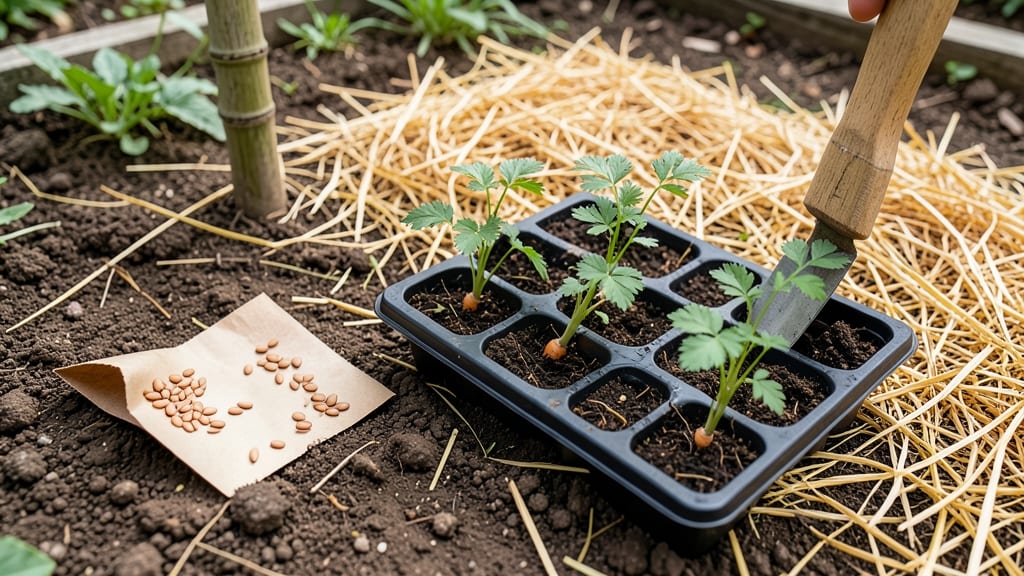
Here’s the catch: coastal gardeners can plant 🥕 carrots as early as September, while inland growers must wait until November to avoid bolting. Skip this step, and you’ll end up with bitter greens instead of the tender roots you crave.
I’ll break down the exact months that work for each microclimate—and how to stretch your harvest season for year-round success.
Why does this matter? Because San Diego’s frost-free winters and hot summers create a unique challenge. Plant too soon, and your 🥕 carrots bolt before you can say “harvest.”
Plant too late, and the heat stresses them into stunted growth. The solution? Smart timing, soil prep, and a few pro tips to keep your garden thriving.
Let’s dive into the ideal schedule for your location—so you can enjoy homegrown 🥕 carrots from fall through spring without the guesswork. Ready to grow like a local?
Optimal carrot planting schedule for San Diego’s coastal vs inland regions
San Diego’s microclimates create two distinct growing seasons for carrots. Coastal areas like La Jolla enjoy milder winters and cooler summers, while inland zones like Escondido face hotter temperatures and longer growing seasons. Understanding these differences is key to avoiding bolting or heat stress in your crop.
Carrots thrive in USDA Zone 10a (coastal) and 10b (inland), but their planting windows shift dramatically. Coastal gardeners should focus on fall planting (September-November) for harvests before winter rains, while inland growers can extend into early spring (February-March) thanks to warmer soils.
Here’s how to align your planting with San Diego’s unique climate zones:
| Factor | Coastal (Zone 10a) | Inland (Zone 10b) |
|---|---|---|
| Ideal Planting Window | September 15 - November 15 | February 1 - March 15 |
| Secondary Window | August 1 (shade-cloth) | December 15 (succession) |
| Harvest Timeline | November - January | April - June |
| Key Risk | Winter rains (rot) | Summer heat (bolting) |
| Soil Prep Tip | Add compost for drainage | Use shade cloth for seedlings |
Coastal gardeners should prioritize fall planting between mid-September and mid-November to beat winter rains. The cooler ocean breezes create ideal conditions for 70-80°F soil temps, perfect for carrot development. Inland areas can push planting into early spring (February-March) when daytime highs stay below 75°F.
For year-round harvests, try succession planting every 2-3 weeks. Coastal gardeners can add a final batch in late August under shade cloth, while inland growers might squeeze in a December planting for early spring harvests.
Just remember: carrots need 60-70 days to mature, so time your last planting to finish before summer heat arrives.
Both regions benefit from loose, rocky-free soil—San Diego’s clay-heavy soils often need sand or compost to prevent forking. Test your soil’s pH (6.0-6.8 ideal) and amend if needed. Coastal areas may need windbreaks to protect young seedlings, while inland gardens should focus on even moisture during hot spells.
Pro tip: Use short-day varieties like ‘Paris Market’ for coastal fall planting, as they bolt less readily in longer daylight. Inland gardeners can try heat-tolerant types like ‘Danvers Half Long’ for spring harvests, but always provide afternoon shade during peak summer months.
Bolting becomes a major threat when temperatures exceed 80°F for extended periods. Inland gardeners should avoid planting after mid-March unless using shade cloth, while coastal areas can push into late November for winter harvests before rains arrive.
🌱
How to adjust planting times for San Diego’s microclimates and soil conditions
San Diego’s diverse microclimates mean your carrot planting timeline should shift based on whether you’re near the coast or inland. Coastal areas like La Jolla stay cooler year-round, while inland spots like Escondido face hotter summers and longer growing seasons. Adjust your schedule to match your zone’s unique conditions—soil temperature and rainfall patterns play huge roles in success. Your soil drainage is critical: San Diego’s native clay can trap moisture, causing forked carrots or rot. Amend with compost or sand to loosen the soil before planting. If your garden sits in a low-lying area, plant 2-4 weeks earlier to avoid summer heat stress. For elevated inland gardens, delay planting by 2 weeks to escape the peak heat of July and August.
- Coastal: Plant September–November and February–March for mild winters
- Inland: Shift to August–October and January–February to avoid heat
- Soil Tip: Test pH (6.0–6.8) and loosen with compost
- Water: Use drip irrigation to keep soil consistently moist
Pro Tip: San Diego’s Mediterranean climate means dry summers and wet winters. Plan to mulch heavily in spring to retain moisture, especially in sandy soils that drain too quickly.
A 2-inch layer of straw or wood chips can extend your growing season by 2–4 weeks in both coastal and inland areas.
Soil Prep