
Plants
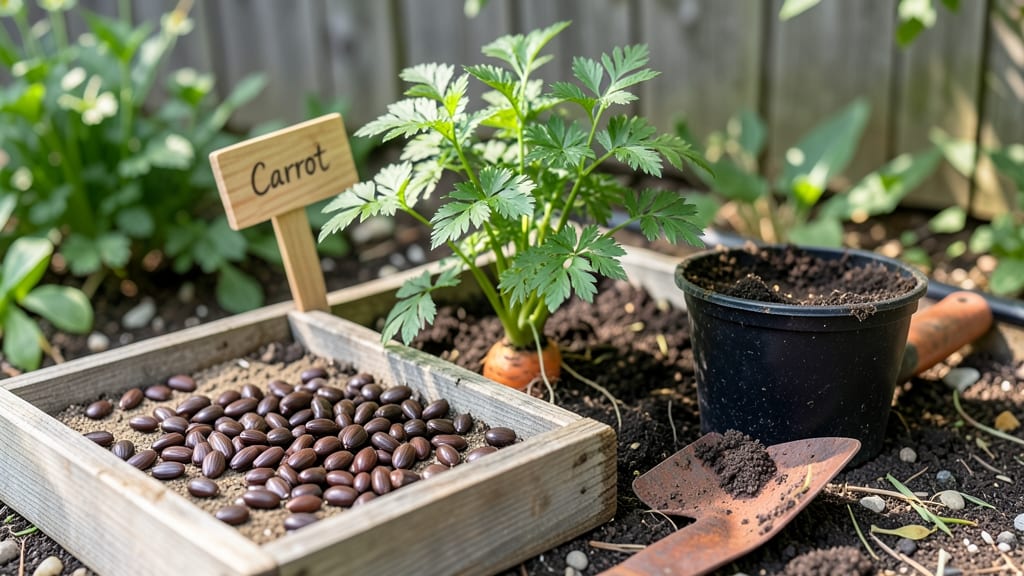
Timing is everything when you're growing sweet, crisp 🥕 carrots in Zone 5b—plant too early, and frost will ruin your crop; too late, and you risk bolting before harvest.
The secret to consistent success lies in two key windows: early spring and late summer, each with its own set of rules to follow.
Most gardeners in Zone 5b focus on spring planting, but did you know you can actually grow two full harvests in a single year? The trick is understanding your last frost date—around April 15—and adjusting your schedule accordingly.
I'll show you exactly when to start seeds indoors or direct sow for maximum yield, plus how to extend your season with simple techniques.
What makes this even more exciting is that carrots are one of the easiest vegetables to grow, yet so many people struggle with timing. Whether you're a beginner or a seasoned gardener, these proven strategies will help you avoid common pitfalls like stunted growth or bitter roots.
Let's dive into the perfect planting schedule for your Zone 5b garden.
From soil temperature checks to frost protection tips, I'll walk you through every step to ensure your carrots thrive from seed to harvest. By the end, you'll know exactly when to plant for sweet, homegrown carrots that rival anything you've bought at the store.
Optimal planting windows for carrots in Zone 5b: exact dates for maximum yield
Zone 5b gardeners can grow two perfect carrot harvests per year by planting in early spring and late summer. The key is understanding your last frost date (April 15) and soil temperature thresholds (45°F minimum).
These windows ensure sweet, crisp roots without the risk of bolting or frost damage.
For spring planting, start seeds indoors 6-8 weeks before your last frost date or direct sow outdoors 2-4 weeks before. In Zone 5b, this translates to late March to early April for outdoor sowing, once soil warms to at least 45°F.
Wait too long, and you’ll miss the 60-80 day harvest window before summer heat arrives.
Late summer planting offers a second harvest opportunity by sowing seeds 8-10 weeks before your first frost (October 15). Aim for mid-July to early August in Zone 5b. This timing lets carrots mature before cold weather sets in, avoiding the bitter flavor that develops from frost exposure.
Microclimates within Zone 5b can shift these windows by 1-2 weeks. Urban areas like Chicago tend to have later frost dates than rural spots, while Denver’s high elevation may require earlier starts. Check your local USDA Plant Hardiness Zone Map and adjust accordingly.
Soil temperature is more critical than air temperature for carrot germination. Use a soil thermometer to confirm readings of at least 45°F before planting. Cold soil slows germination, leading to uneven sprouts and poor yields. In early spring, consider black plastic mulch to warm the soil faster.
| Planting Window | Zone 5b Dates | Soil Temp | Key Notes |
|---|---|---|---|
| Early Spring | Late March–Early April | ≥45°F | Direct sow 2-4 weeks before last frost; use row covers if frost threatens. |
| Late Summer | Mid-July–Early August | ≥50°F | Sow 8-10 weeks before first frost; choose shorter varieties for faster maturity. |
| Succession Planting | Every 2-3 weeks (April–July) | ≥45°F | Stagger sowings for continuous harvest; ideal for baby carrots. |
| Fall Extension | Late August–Early September | ≥50°F | Use cold frames or row covers to delay frost; harvest before hard freeze. |
Carrot varieties also influence planting timing. Short-season types like ‘Early Nantes’ mature in 50-60 days, making them ideal for late summer plantings. Longer varieties such as ‘Danvers’ need 70-80 days and work best in spring. Always check seed packets for days to maturity and adjust your planting schedule accordingly.
Regional variations within Zone 5b can shift these dates by 1-2 weeks. For example, Chicago’s last frost averages April 15, while Denver’s may be as late as May 1.
Use your local cooperative extension service or weather station data to fine-tune your schedule. Even a 10-day difference can mean the difference between a bountiful harvest and bolting.
Test your soil’s readiness by pressing your finger 1 inch deep. If it feels cool to the touch, wait a few more days. For heavy clay soils common in Zone 5b, amend with compost or sand to improve drainage and prevent forked roots.
Well-drained soil is non-negotiable for sweet, straight carrots.
Once you’ve nailed your planting windows, maintain consistent moisture and thin seedlings to 2 inches apart for optimal growth. With these timing strategies, you’ll enjoy crisp, homegrown carrots from summer through fall—no store-bought roots required! 🥕
Optimal planting windows for carrots in Zone 5b: exact dates for maximum yield
In Zone 5b, timing is everything when growing carrots—the difference between a bountiful harvest and a failed crop often comes down to planting at the right time.
The ideal windows are early spring (March-April) and late summer (July-August), but exact dates depend on your last frost date and soil temperature. Most Zone 5b gardeners aim to plant 4-6 weeks before the last frost (around March 15-April 1) for spring crops.
For fall harvests, focus on July 15-August 15, giving carrots time to mature before first frost (typically October 15). Carrots need soil temperatures above 50°F to germinate—if your soil is too cold, seeds may rot instead of sprouting.
Use a soil thermometer to check before planting, especially in early spring.
| Planting Window | Soil Temp Requirement | Frost Consideration | Estimated Harvest |
|---|---|---|---|
| Early Spring (March 15-April 1) | 50°F+ (use row covers if cold) | 4-6 weeks before last frost | July-August |
| Late Summer (July 15-August 15) | 60°F+ (ideal for germination) | 8-10 weeks before first frost | September-October |
Regional differences matter in Zone 5b. For example, gardeners in Chicago (cooler microclimates) may plant 2 weeks later than those in Denver (warmer, drier).
Always check your local frost dates—the USDA Plant Hardiness Zone Map is a great starting point, but neighborhood variations can shift planting windows by 1-2 weeks.
If you’re unsure about your soil readiness, conduct a simple test: press your finger into the soil—if it crumbles easily, it’s ready. Heavy clay soils common in Zone 5b need extra attention—amend with compost or sand to prevent forked roots.
A loose, well-draining bed is non-negotiable for carrot success.
For continuous harvests, try succession planting every 2 weeks during your optimal windows. This ensures a steady supply of fresh carrots from summer through fall. Just remember: shorter-day varieties (like Danvers) handle Zone 5b’s long summers better than long-day types (like Nantes).
Pro tip: Mark your planting dates on a calendar and track soil moisture—carrots need consistent water to grow straight and sweet. Avoid planting where tomatoes or potatoes grew last year, as they share pests and diseases that can stunt your crop.