
Plants
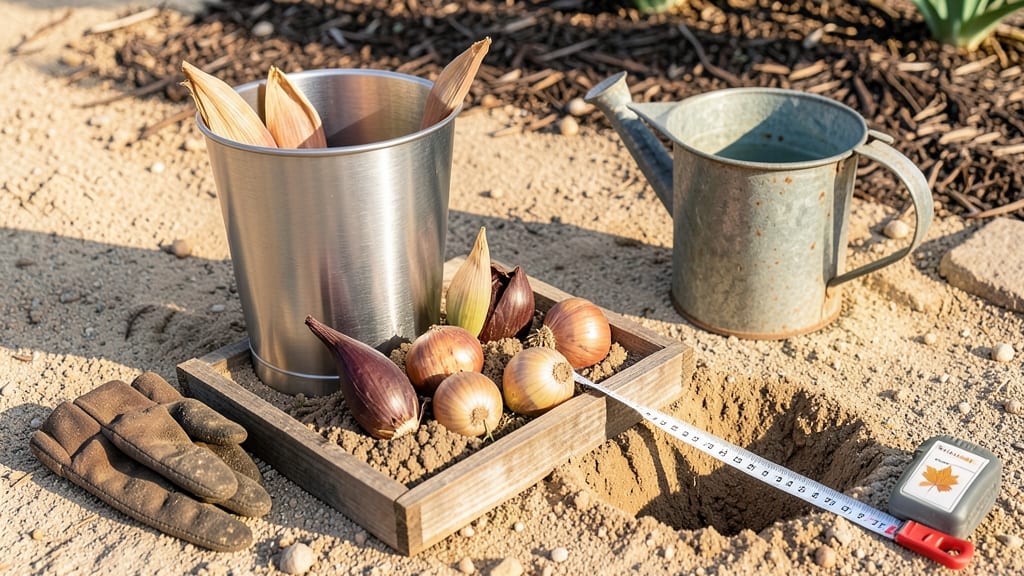
Planting bulbs in Arizona isn’t just about timing—it’s about outsmarting the desert’s brutal heat and unpredictable frost dates. If you’ve ever stared at a wilting tulip or a failed crocus patch, you know the stakes are high.
The key? Leveraging Arizona’s 9b zone microclimates to plant 🌱 bulbs (General) when the soil cools enough for roots to take hold—but not so late that winter’s chill catches them off guard.
Most gardeners assume fall is the only window, but Arizona’s low desert (like Phoenix) and high desert (like Flagstaff) play by different rules. The ideal planting window stretches from October through January, but the real secret lies in soil temperatures and frost risks.
Skip the guesswork and learn exactly when to dig—whether you’re prepping for spring blooms or winter hardiness.
This isn’t your grandma’s bulb guide. We’re talking drought-resistant varieties that laugh at 110°F heat, mulching hacks to lock in moisture, and watering schedules that won’t drown your bulbs in the arid climate. Ready to turn your Arizona garden into a year-round showstopper? Let’s get started.
By the end, you’ll know not just when to plant, but how to give your bulbs the fighting chance they need to thrive—no scorched petals or wasted effort. Trust me, your future spring blooms will thank you.
Arizona bulb planting calendar: month-by-month heat-Zone guide
Arizona’s USDA zones 7b–10a create a tricky timeline for bulbs, where summer heat and winter freezes both pose risks. The key? Plant when soil temps hover between 50–70°F—cool enough for roots to establish, but warm enough to avoid frost damage.
In Phoenix (Zone 10a), this means October–January planting, while Flagstaff (Zone 7b) gardeners should aim for September–October to beat the first frost.
Most bulbs need 6–8 weeks to root before winter, so timing depends on your elevation and microclimate. Low desert areas like Tucson can push planting to November**, while high desert regions like Sedona may need to start as early as August.
Always check your last frost date—Arizona’s varies wildly, from December 15 in Phoenix to November 1 in Flagstaff.
Here’s your heat-zone breakdown for planting spring-blooming bulbs (tulips, daffodils) and fall-planted varieties (crocuses, hyacinths). Use this as your roadmap to zero-scorch success:
| Month | Best Bulbs to Plant | Soil Temp Goal (°F) | Arizona Regions | Pro Tip |
|---|---|---|---|---|
| September | Crocus, Hyacinth, Daffodils | 60–70°F | High Desert (Flagstaff, Prescott) | Plant early to avoid early freezes. |
| October | Tulips, Allium, Iris | 55–65°F | Low/Mid Desert (Phoenix, Tucson) | Ideal for most Arizona zones. |
| November | Dahlias, Lilies, Fritillaria | 50–60°F | All Regions (except extreme high desert) | Use mulch to insulate bulbs. |
| December | Snowdrops, Winter Aconite | 45–55°F | Low Desert Only (Phoenix, Yuma) | Plant in shade cloth if temps drop. |
| January | Late-Blooming Tulips | 40–50°F | Low Desert Only | Water deeply before rain arrives. |
For spring-blooming bulbs like tulips and daffodils, aim to plant by December 15 in Phoenix or November 1 in Flagstaff. These bulbs need chill hours (300–600 hours below 40°F) to bloom, so high-desert areas get a head start.
In low-desert zones, opt for heat-tolerant varieties like Mexican poppies or desert marigolds, which bloom in cooler months.
Fall-planted bulbs (e.g., crocuses, hyacinths) thrive when soil stays above 50°F for root growth. In Tucson’s Zone 9a, you can plant as late as November 30, but Phoenix gardeners should finish by November 15 to avoid unpredictable cold snaps.
Always test soil moisture—Arizona’s clay soils dry out fast, so bulbs need consistent hydration for the first 4–6 weeks after planting.
Pro
Arizona bulb planting calendar: month-by-month heat-Zone guide
Arizona’s USDA zones 7b–10a create a tricky puzzle for bulb lovers. The low desert (Phoenix) and high desert (Flagstaff) behave like two different planets—one bakes at 110°F, while the other sees light frosts. To succeed, align your planting with cooler months and soil temperature thresholds (ideal: 60–65°F).
Most bulbs need 6–8 weeks to establish roots before winter. In Zone 9b (Phoenix), aim for October–November planting, while Zone 7b (Flagstaff) can extend until early December. Spring-bloomers like tulips and daffodils demand this head start to survive summer’s onslaught.
🌱 Arizona Bulb Planting Timeline
| Month | Zone 9b (Low Desert) | Zone 7b (High Desert) | Soil Temp |
|---|---|---|---|
| September | Early prep (soil amend) | Plant hardy bulbs | 70–75°F |
| October | 🌱 Prime planting | 🌱 Prime planting | 65–70°F |
| November | Plant late bloomers | Plant frost-tolerant bulbs | 60–65°F |
| December | Avoid planting (heat risk) | 🌱 Last chance | 55–60°F |
| January | 🌱 Risky (if no frost) | Mulch established bulbs | 50–55°F |
💡 Pro Tip: Use a soil thermometer—bulbs rot if planted in soil above 70°F.
For spring-blooming bulbs (e.g., tulips), plant in October–November to ensure roots form before summer. Fall-planted bulbs like crocuses can handle cooler temps, but Zone 9b gardeners should avoid December planting—even a light frost can stress tender roots.
Adjust for microclimates: Shaded areas stay cooler, so plant 2–4 weeks later than sun-baked spots. In Tucson, aim for November 1–15; in Sedona, push to mid-December. Always check last frost dates—Arizona’s are unpredictable!
After planting, mulch heavily (3–4 inches) with straw or wood chips to insulate bulbs from daytime heat and nighttime cold. This mimics their native Mediterranean climates, where bulbs endure dry summers underground. Water deeply once a week until roots establish (about 6 weeks).
Skip summer planting—100°F+ soil cooks bulbs before they sprout. Instead, focus on fall prep: Amend soil with compost, add perlite for drainage, and choose drought-tolerant varieties like Agave or Crinum lilies.
With the right timing, your bulbs will bloom like clockwork—even in the desert! 🌵