
Plants
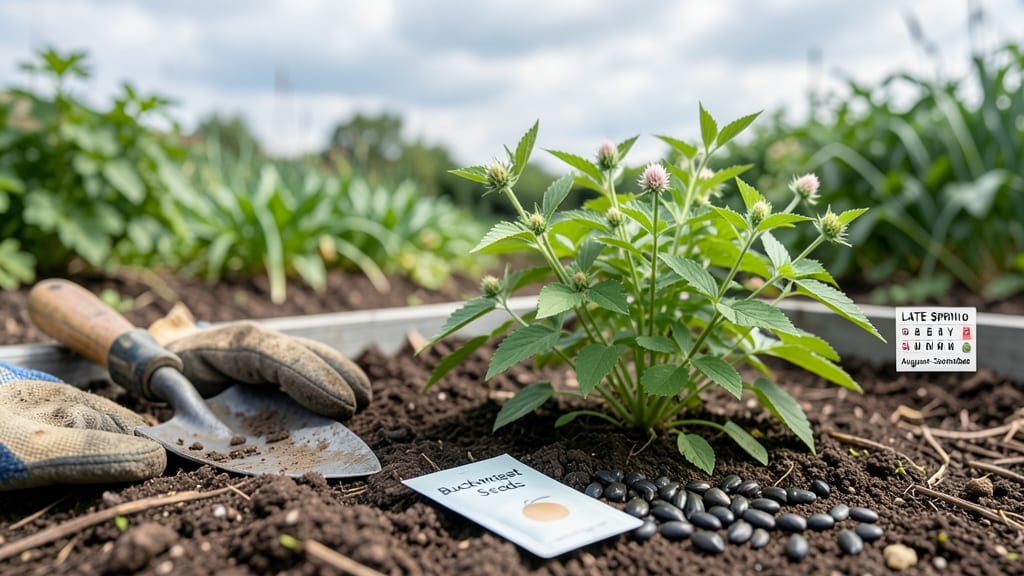
Timing your buckwheat planting in Georgia could make the difference between a thriving cover crop and a lost opportunity. This fast-growing 🌾 powerhouse needs precise windows to outpace weeds and maximize soil benefits—especially in zones 7b-8b where summer heat arrives early.
Plant too soon, and frost will nip it before it gains traction; too late, and you’ll miss the 60-75 days it needs to mature before winter sets in.
The secret lies in two critical windows: late February through early April for spring plantings, or August through early September for fall harvests.
I’ll break down exactly when to sow buckwheat in North vs. South Georgia, how to prep soil for germination, and why succession planting can double your weed control. Ready to turn your garden into a weed-free, nutrient-rich haven?
Let’s dive into the fastest way to plant buckwheat—so you can enjoy its benefits without the guesswork.
Optimal buckwheat planting dates by Georgia climate zone
Georgia’s diverse climate—from the cool mountain air of North Georgia to the sweltering humidity of South Georgia—means buckwheat planting windows vary dramatically. The key is planting when soil temperatures hit 55°F+ and staying ahead of summer heat stress or fall frosts.
Let’s break it down by region to ensure your buckwheat thrives.
North Georgia (USDA Zones 7a-7b, e.g., Atlanta, Dahlonega) has longer frost seasons and cooler summers. Here, aim for late March to early April for spring plantings, giving you a 60-75 day harvest before summer’s peak heat.
For fall, plant mid-August to early September to avoid early frosts creeping in by mid-November.
Central Georgia (USDA Zone 8a, e.g., Macon, Columbus) offers a wider window thanks to its moderate climate. Start spring plantings by early March and wrap up by mid-April. For fall, late July to early August works best—just beat the first frost around November 15.
South Georgia (USDA Zone 8b, e.g., Savannah, Valdosta) is hotter and more humid, so focus on late February to early March for spring and August to early September for fall. The longer growing season here lets you squeeze in two plantings per year if timed right.
🌱 Pro Tip: Use your local frost dates as a guide—plant buckwheat 2-3 weeks after the last expected frost for spring, and 6-8 weeks before the first frost for fall.
Buckwheat’s fast growth (ready in 60 days) makes it perfect for succession planting. In Central and South Georgia, you can even squeeze in a third planting in late May for a late-summer harvest before the heat peaks. Just monitor soil moisture—buckwheat wilts quickly in 90°F+ temperatures.
For early varieties (like 'Tokachi'), push your spring planting to February in South Georgia, but cover seedlings with row fabric if nights dip below 45°F. In North Georgia, late varieties (like 'Pandor') can handle cooler soils and are better for fall plantings.
🌿 Soil Prep Tip: Buckwheat loves well-draining soil with a pH of 6.0–7.0. Test your soil before planting—amend with compost or aged manure if needed. Avoid fresh manure, which can burn seedlings.
Finally, check the Georgia Climate Toolkit (extension.uga.edu) for your exact county’s frost dates. Local data beats general rules—especially if you’re in a microclimate (like a valley or urban heat island). Adjust your planting by 1-2 weeks based on these insights.
How to time buckwheat for maximum weed suppression in Georgia
Timing your buckwheat planting isn’t just about calendar dates—it’s about outsmarting Georgia’s summer weeds and soil conditions. The key is planting when soil temperatures hit 55°F+ and before weeds like crabgrass and nutsedge peak.
For most of Georgia, this means late February to early April for spring plantings or August to early September for fall cover.
Buckwheat thrives in warm soil but wilts under midday summer heat. Plant too early, and frost will kill it; too late, and weeds will dominate. The solution? Staggered plantings—sow half your seeds in early spring and the rest in late summer for continuous weed suppression.
Here’s how to sync buckwheat with Georgia’s weed cycles:
- Plant spring buckwheat by March 15 (after last frost) to smother weeds before they sprout. Aim for 60–75 days before your fall crop’s planting date.
- For fall suppression, sow by August 15 in North Georgia or September 1 in South Georgia. This gives it time to mature before first frost (Nov 15).
- Use soil thermometers—buckwheat germinates best at 60–70°F. In South Georgia’s heat, plant in late afternoon to reduce stress.
- Double-crop by planting fast-maturing varieties (e.g., ‘Manchuria’) in early spring and late summer. Harvest seeds in 60 days to free up space for fall crops.
- Monitor rainfall: Buckwheat needs 1–1.5 inches/week but hates soggy soil. In drought-prone areas, water deeply every 3–5 days.
Pro tip: Pair buckwheat with legume cover crops like clover for nitrogen fixation. Plant them in alternate rows to maximize weed suppression and soil health. This combo works especially well in Central Georgia’s clay soils, where drainage can be an issue.
If you’re prepping for spring vegetables, plant buckwheat in late summer to kill weeds and loosen soil. Till it under 2–3 weeks before planting tomatoes or peppers—just avoid planting buckwheat where you’ll grow strawberries next year (it attracts strawberry pests).
Remember: Buckwheat’s fast growth (60–75 days) is its superpower. Use it to starve out weeds before they take over, and your garden will thank you with cleaner soil and healthier crops next season. 🌾