
Plants
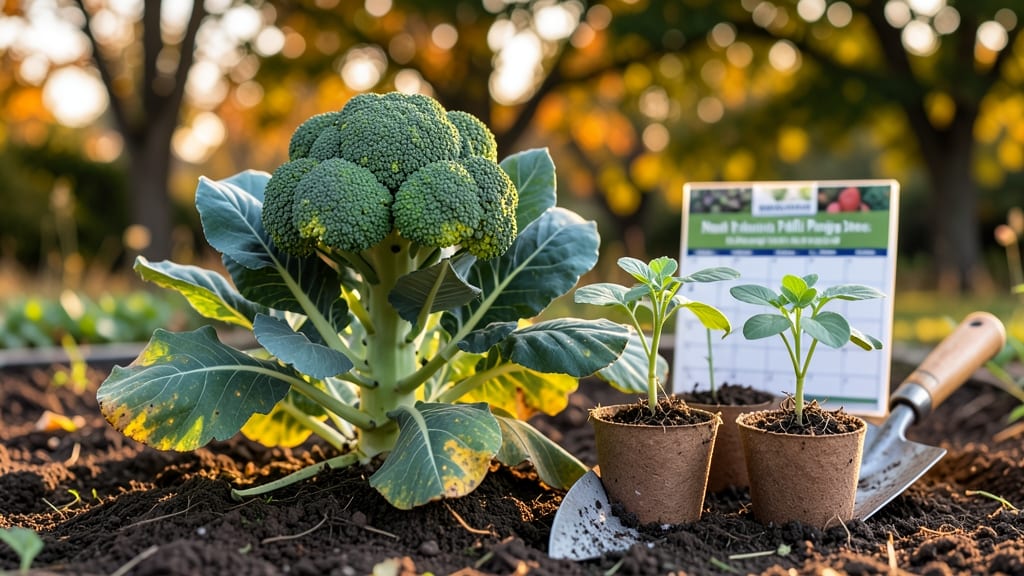
Timing your fall broccoli 🥦 planting in North Carolina can mean the difference between a thriving harvest and wasted seeds—especially when soil temperatures drop unexpectedly. If you plant too early, frost zaps your seedlings before they even sprout, while waiting too long risks stunted growth from cooler nights.
The sweet spot? A precise window where your broccoli gets 60–75 days of warm soil before winter sets in.
Here’s the game-changer: Most NC gardeners overlook how regional microclimates—from the Coastal Plain to the Mountains—shift ideal planting dates by 2–3 weeks. I’ll break down the exact soil temperature ranges (50–85°F) that trigger fast germination, plus a week-by-week calendar tailored to your zone.
No more guesswork—just a foolproof schedule to lock in that crisp, homegrown harvest.
Why does this matter? Because fast germination isn’t just about speed—it’s about survival. Cold soil slows down roots, making seedlings vulnerable to rot or pests.
By aligning your planting with NC’s fall frost patterns, you’ll avoid the most common mistakes and give your broccoli the head start it needs to thrive. Let’s dive into the checklist that’ll have your garden producing bold, flavorful heads before Thanksgiving.
Ready to skip the trial-and-error? I’ll also share which broccoli varieties handle NC’s fall best—plus how to stretch your growing season with simple tricks like row covers. Your future self (and your dinner table) will thank you.
NC fall broccoli planting timeline: soil temperature guide by week
North Carolina’s fall broccoli thrives when planted at the right soil temperature—typically between 50–85°F. Coastal regions like Wilmington can plant 2 weeks earlier than the Piedmont’s Raleigh, while mountain areas near Asheville need to delay until late September.
The key is avoiding early frosts that damage tender seedlings.
Broccoli seeds germinate best when soil stays above 60°F for at least 10 days. If your soil cools below 50°F, germination slows dramatically, and seedlings may rot. Use a soil thermometer to track temperatures—this simple tool prevents costly mistakes.
Here’s your week-by-week planting guide for NC’s three main regions, based on average frost dates and soil warmth. Adjust for your local microclimate by checking the NC State Climate Office for your county’s frost history.
| Region | Ideal Planting Window | Soil Temp Range (°F) | Frost Risk | Action |
|---|---|---|---|---|
| Coastal (Zones 8a–8b) | Late July–Early August | 65–80°F | Low (first frost: Nov 15) | Plant early; use row covers by Oct 1 |
| Piedmont (Zones 7a–7b) | Mid-August–Early September | 60–75°F | Moderate (first frost: Oct 31) | Start seeds indoors 4 weeks before transplanting |
| Mountains (Zones 5a–6b) | Late August–Mid-September | 55–70°F | High (first frost: Oct 1) | Use cold frames or plant fast-maturing varieties (e.g., 'Waltham 29') |
| All Regions | Succession Plant | N/A | N/A | Sow every 2 weeks until Sept 15 for continuous harvest |
For Coastal NC, aim to have broccoli heads mature before October 15 to avoid bolting (premature flowering). In the Piedmont, prioritize fast-maturing varieties like 'De Cicco' (58 days) or 'Calabrese' (65 days) to beat frost.
Mountain gardeners should stick to cold-hardy types such as 'Waltham 29' (70 days) and use black plastic mulch to retain heat.
If your soil cools below 50°F before germination, switch to transplanting seedlings instead. Local nurseries like Pisgah Center (Asheville) or Coastal Farm Supply (Wilmington) often carry fall-ready broccoli starts in late August. Just be sure to harden off seedlings for 7–10 days before planting.
Monitor your garden’s microclimate—south-facing beds warm up faster than north-facing ones. If your yard has late-afternoon shade, broccoli may struggle to develop tight heads. In these cases, choose partial-shade varieties like 'Green Magic' or provide afternoon shade with floating row covers.
After planting, maintain consistent moisture—broccoli hates fluctuating soil temps. Water deeply 2–3 times per week, aiming for 1–1.5 inches of water per week. Mulch with straw or shredded leaves to keep roots insulated and soil temps stable.
By following this soil temperature guide, you’ll avoid the two biggest fall broccoli failures in NC: frost damage and poor germination. Next, we’ll cover how to adjust planting dates for your specific USDA zone and extend the season with protective covers.
How to adjust planting dates for NC’s fall frost zones (5a–8b)
North Carolina’s diverse climate—from the Coastal Plain to the Mountains—means frost dates vary dramatically. In Zone 5a (western NC), first frost hits by mid-October, while Zone 8b (Coastal) often stays frost-free until November 15th.
Adjust your planting schedule to match your zone and avoid frost damage to tender seedlings.
For Zone 5a–6a, start broccoli seeds indoors 8–10 weeks before your average last frost date (typically late July to early August). Transplant seedlings outdoors by mid-August to ensure they mature before frost.
In Zone 7a–8b, you can sow seeds directly in the garden as late as early October, thanks to milder nights.
Use succession planting to extend your harvest. In Zone 7a–8b, plant a second batch of seeds 4–6 weeks after your first planting. This staggered approach ensures a continuous supply of fresh broccoli from late fall into winter, especially if you use row covers or cold frames to protect plants.
Here’s how to extend your growing season in cooler zones:
| Zone | Last Planting Date (Outdoor) | Extending Season With | Harvest Window |
|---|---|---|---|
| 5a–6a | Mid-August | Row covers + cold frame | October–November |
| 7a–7b | Early October | Row covers | November–December |
| 8a–8b | Mid-October | None (mild winters) | December–January |
In Zone 5a–6a, where frost arrives early, focus on fast-maturing varieties like ‘Waltham 29’ or ‘Calabrese’. These can go from seed to harvest in 55–65 days, giving you time to enjoy a crop before winter sets in.
For Zone 7a–8b, opt for slightly slower varieties like ‘Packman’ or ‘Green Magic’, which produce larger heads and tolerate cooler temperatures better.
Always monitor your local frost forecast and prepare to cover plants with frost cloth if temperatures dip below 28°F. Even a light frost can damage broccoli heads, so act quickly if a cold snap is predicted.
With the right adjustments, you’ll enjoy a bountiful fall harvest of crisp, flavorful broccoli well into winter.