
Plants
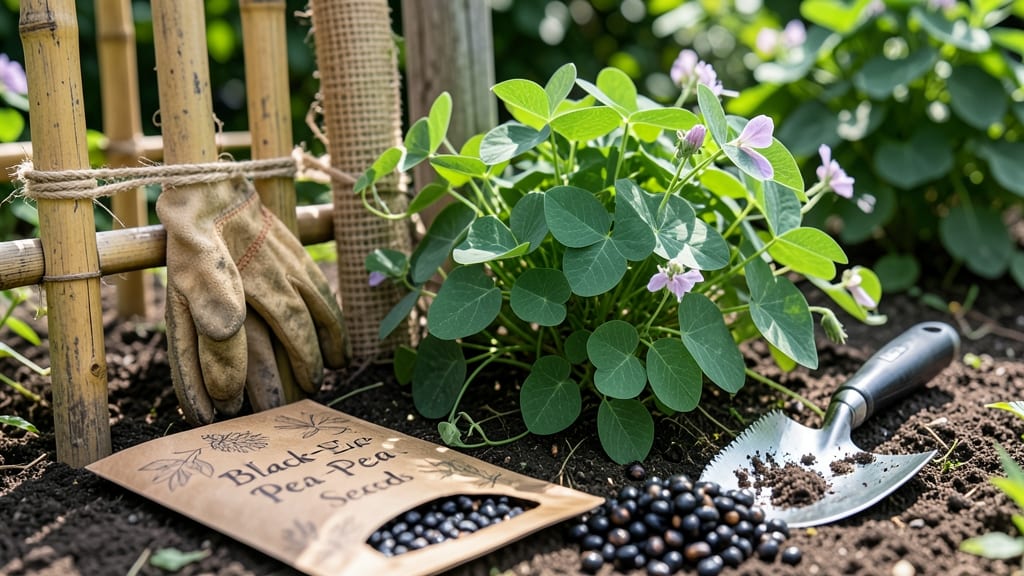
Timing your black-eyed pea planting in Texas isn’t just about the calendar—it’s about beating the heat and avoiding frost. Plant too early, and your 🌱 Black-Eyed Pea seeds might bolt before they even sprout; too late, and you’ll miss the sweetest harvest of the season.
With Texas’ 8a-10b zones, the window for success is narrower than you’d think, and getting it right means faster germination and a bountiful harvest.
Most Texas gardeners swear by planting in late winter to early spring (February-March) or fall (September-October), but the exact timing depends on where you live. North Texas has a later last frost date than South Texas, so your neighbor’s perfect schedule might not work for you.
The key is planting 1-2 weeks before the last frost for spring or 6-8 weeks before the first frost for fall—both strategies ensure your peas thrive without wilting in the summer heat.
Why does this matter? Because black-eyed peas are fast growers, but they hate extremes. Too much heat too soon, and your plants will struggle; too little warmth, and they’ll take forever to sprout.
I’ll show you how to read your soil’s temperature, adjust for your specific Texas region, and even pick the right seed varieties that handle our unpredictable springs like a pro. Let’s get those peas in the ground at the perfect moment.
Once you’ve mastered the timing, the rest is easy—well-drained soil, consistent moisture, and a little shade during the hottest afternoons. But without the right planting window, even the best care won’t save your crop.
Stick with me, and you’ll know exactly when to plant for fast germination and a harvest that’ll make your neighbors jealous.
Texas heat zone map: best planting months for black eyed peas by region
Texas stretches across USDA zones 8a-10b, meaning your black-eyed pea planting window varies wildly from North Texas to the Rio Grande Valley. In zone 8a (like Dallas-Fort Worth), frost can linger until mid-March, while zone 10b (Houston, Corpus Christi) sees frost-free winters.
This heat zone divide forces you to adjust planting dates—or risk stunted growth or heat stress.
For fast germination, soil must reach 60°F+. In North Texas, wait until late March to avoid early heat spikes that can scorch seedlings. Meanwhile, South Texas gardeners can start as early as February in protected beds. The key? Soil temperature, not calendar dates.
Fall planting offers a second chance for Texas gardeners. Aim for September-October in most regions, giving plants 60-75 days to mature before first frost. In zone 10b, you can push planting into November for a winter harvest.
Here’s how to match your Texas region to the perfect planting window:
| Region | USDA Zone | Spring Planting Window | Fall Planting Window | Soil Temp Requirement | Key Risk |
|---|---|---|---|---|---|
| North Texas (Dallas, Fort Worth) | 8a-8b | Late March - Early April | September 15 - October 15 | 60°F+ | Late frost or heat spikes |
| Central Texas (Austin, San Antonio) | 8b-9a | Early March - Mid-April | September 1 - October 10 | 60°F+ | Unpredictable spring rains |
| East Texas (Tyler, Beaumont) | 8a-9a | Mid-February - Early March | August 20 - September 20 | 60°F+ | Humidity and fungal diseases |
| South Texas (Corpus Christi, Brownsville) | 9a-10b | January - February | September 1 - November 1 | 65°F+ (warmer soil preferred) | Extreme summer heat |
| West Texas (Midland, El Paso) | 7b-8a | April 1 - April 15 | September 1 - September 15 | 60°F+ | Drought and dry winds |
Your last frost date is the anchor for spring planting. Check your local Texas AgriLife Extension map—Dallas averages March 15, while Houston rarely sees frost. For fall, count back 60-75 days from your first frost (usually December 1 in North Texas, November 15 in South Texas).
Pro tip: Use black plastic mulch in North Texas to warm soil faster in spring. In South Texas, provide shade cloth during peak summer to protect seedlings from 100°F+ soil temps. Both tricks expand your planting window by 2-3 weeks.
For fastest germination, soak seeds overnight before planting. Texas’ calcareous soils (high pH) can slow growth—amend with compost or peat moss to lower pH to 6.0-6.8. Plant seeds 1 inch deep, 3-4 inches apart, and thin to 4-6 inches when seedlings emerge.
Remember: Black-eyed peas thrive in heat, but they hate soggy soil. In East Texas, where humidity reigns, space plants 6 inches apart for airflow.
In West Texas, mulch heavily to retain moisture. The right timing + soil prep = bountiful harvests in even the harshest Texas zones.
🌱
How to time black eyed peas for Texas’ unpredictable spring heat
Texas’ spring heat can be a black-eyed pea killer if you’re not careful. The key is planting when soil temperatures hit 60-65°F—any warmer, and germination slows down.
I’ve learned the hard way that waiting for the last frost date (which varies wildly across Texas) isn’t enough; you’ve got to watch the soil thermometer like a hawk.
For North Texas (USDA Zones 7-8), aim for late February to early March when nights stay above 50°F. In Central Texas (Zones 8-9), you’ve got a 2-week window in late March before the heat ramps up.
Meanwhile, South Texas gardeners can plant as early as January, but only if you’re using heat-tolerant varieties like ‘Purple Hull’ or ‘Crowder.’
🌱