
Plants
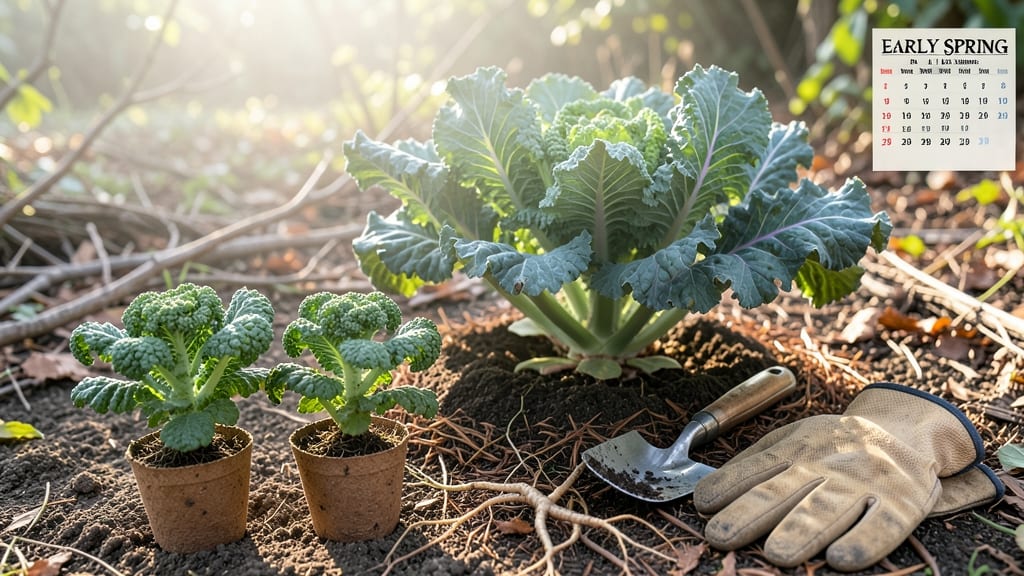
Timing is everything when it comes to growing brassicas like broccoli and kale in Michigan—plant too early, and you risk frost damage; too late, and your harvest suffers.
The key to success lies in understanding Michigan’s unique frost dates and heat zones, which can vary dramatically from the Upper to Lower Peninsula.
I’ve spent years perfecting my own brassica plantings here, and what I’ve learned will help you avoid common mistakes. Whether you’re a first-time gardener or a seasoned pro, knowing exactly when to plant—from early spring starts to late-summer transplants—makes all the difference in your yield and flavor.
Michigan’s USDA zones 4-6 mean your planting window is tighter than in warmer climates, but with the right strategy, you can extend your growing season. Let’s break down the science-backed timing that works for your specific county, so you can enjoy fresh brassicas from summer through fall.
Ready to transform your garden? Discover the exact frost-date calculator and heat-zone adjustments that will give you bigger, healthier brassicas—no guesswork required.
Michigan brassica planting calendar by heat zone (USDA 4-6)
Michigan’s USDA zones 4-6 create distinct planting windows for brassicas like broccoli, cabbage, and kale. Northern counties (e.g., Marquette) have shorter growing seasons, while southern areas (e.g., Detroit) can extend harvests into late fall.
Timing directly impacts yield and bolting risk—so let’s break it down by zone.
For direct-sown seeds, start 4-6 weeks before your last frost date (typically early April in zone 6b to late May in zone 4a). Transplants, however, thrive when soil reaches 45°F+, usually mid-April to early May depending on your microclimate.
Here’s the critical comparison for Michigan’s 6 heat zones, including ideal transplant windows and fall planting adjustments to avoid frost damage.
| Zone | Last Frost Date | Transplant Window | Fall Planting | Notes |
|---|---|---|---|---|
| 4a (e.g., Marquette) | May 15–20 | May 1–15 | Aug 1–15 | Use row covers for early starts; short season favors fast varieties. |
| 4b (e.g., Traverse City) | May 1–10 | April 20–May 5 | Aug 10–25 | Lake-effect microclimates delay frost; plant kale later for winter harvests. |
| 5a (e.g., Grand Rapids) | April 25–May 5 | April 10–25 | Aug 25–Sept 10 | Best zone for two harvests: spring + fall. Avoid bolting with shade cloth. |
| 5b (e.g., Lansing) | April 15–25 | April 1–15 | Sept 1–15 | Extended fall allows cabbage and Brussels sprouts to mature before frost. |
| 6a (e.g., Kalamazoo) | April 10–20 | March 25–April 10 | Sept 10–25 | Longest season; try two spring plantings 3 weeks apart for continuous harvest. |
| 6b (e.g., Detroit) | April 5–15 | March 15–April 5 | Sept 20–Oct 5 | Urban heat islands can push frost dates back; monitor NOAA alerts for late frosts. |
Zone 6b gardeners can even squeeze in a third planting in mid-July for a late fall harvest, but prioritize fast-maturing varieties like ‘Early Purple Top’ broccoli (58 days). In zones 4a-4b, focus on cold-hardy varieties (e.g., ‘Winterbor’ kale) to survive light frosts.
Pro tip: Use Michigan State University’s Frost Date Calculator ([link](https://www.canr.msu.edu)) to fine-tune your county-specific planting dates. Even a 5-day shift can mean the difference between a bountiful harvest and bolted greens.
For direct sowing, brassicas like turnips and radishes can handle cooler soils (40°F+), while broccoli and cabbage need warmer soil (50°F+). Test soil temps with a soil thermometer—don’t guess! Planting too early risks damping off, a fungal disease that kills seedlings.
Fall planting is your secret weapon for winter storage. In zones 5b-6b, aim for 8-10 weeks before first frost (e.g., Sept 1–15). Use straw mulch to insulate roots and protect from radiation frost. In colder zones, row covers extend harvests by 2-3 weeks.
Example: In zone 5a, plant ‘Presto Purple’ broccoli on April 15 for a July harvest, then again on Aug 1 for a Sept-Oct crop. This double strategy maximizes your garden’s productivity in Michigan’s short season.
Remember: Brassicas hate heat. If summer temps hit 85°F+, they’ll bolt (flower prematurely). Use shade cloth (30-50%) during June-July to keep leaves tender and edible.
How to adjust planting times for Michigan’s unpredictable spring frost
Michigan’s spring frost dates can swing wildly from year to year, leaving gardeners scrambling to protect their brassica seedlings from sudden cold snaps. In USDA zones 4-6, late frosts after April 15 aren’t uncommon, especially in the Upper Peninsula.
The key is flexibility—knowing how to shift planting windows and shield young plants without stunting growth.
For direct-sown brassicas like kale or collards, wait until soil temperatures hit 45°F (test with a soil thermometer) and the 7-day frost forecast shows zero risk.
If you’re transplanting starts from indoors, harden them off for 10-14 days before setting them out after the last average frost date—typically May 10-20 for most of the state.
🌱Pro Tip: Use a frost calendar like Michigan State University’s Enviro-Weather tool to track real-time risk levels. Bookmark this link—it’s a game-changer for brassica timing.
Late Frost Warning
If a frost warning hits after planting, act fast! Cover seedlings with floating row covers or lightweight blankets secured with bricks. For extreme cold (28°F or lower), add a cloche or move pots to a sheltered spot.
🌡️ Critical Threshold: Brassicas can tolerate 25°F for short periods if hardened off, but 20°F risks permanent damage.
For fall brassicas, the strategy flips: plant 6-8 weeks before your first frost (typically August 15-September 1 in southern Michigan, July 15-August 1 in the north).
Choose cold-hardy varieties like ‘Winterbor’ kale or ‘January King’ cabbage—they’ll sweeten after frost and keep producing until December or even January with snow cover.
🌿Extension Hack: In Zone 5-6, use black plastic mulch to warm soil for early spring plantings or straw mulch to insulate fall crops. Both tricks buy you 2-3 extra weeks of growing time.
Remember, microclimates matter. South-facing slopes warm up faster, while low-lying areas hold cold longer. If your garden sits in a frost pocket, delay planting by 1-2 weeks or choose earlier-maturing varieties to avoid bolt risk.