
Plants
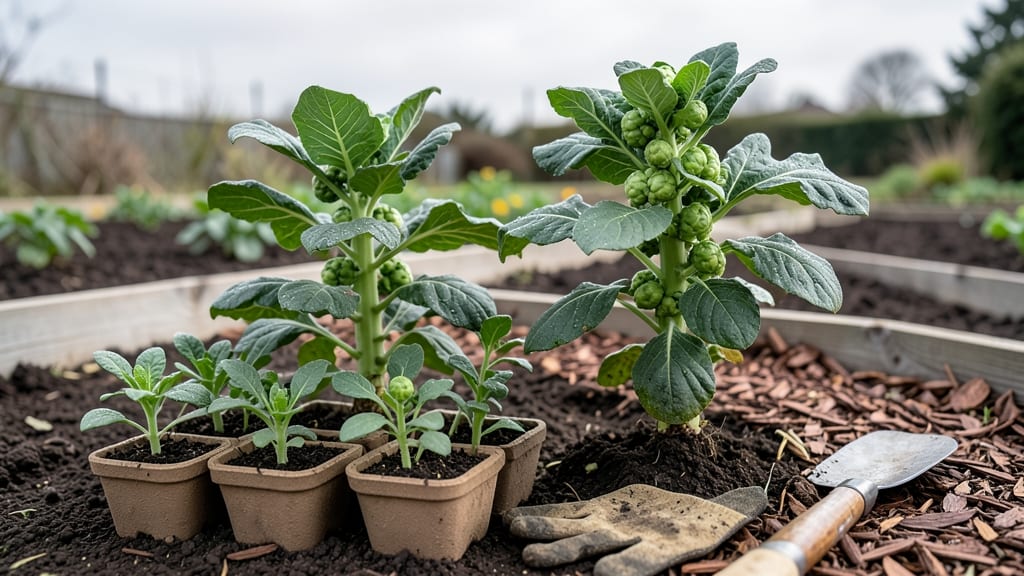
Planting brassicas 🥬 in Wisconsin’s Zone 5B climate isn’t just about timing—it’s about unlocking a garden full of hearty kale, cabbage, and broccoli that outlast summer’s heat.
The key to success lies in those narrow windows between March 15 and April 15 for spring, or August 1 to September 1 for fall, when the soil warms just enough to avoid stunted growth.
Here’s the catch: Wisconsin’s unpredictable frost dates mean one wrong move could leave you scrambling. Whether you’re a seasoned gardener or just starting, knowing when to plant these cold-hardy crops ensures you’ll harvest from June through October—or even into November if you time it right for fall.
I’ve tested these strategies firsthand, and the results speak for themselves: fewer pests, bigger yields, and vegetables that taste sweeter because they grew in Wisconsin’s cooler climate. Let’s dive into the exact planting schedule that’ll turn your garden into a brassica powerhouse.
From succession planting to choosing the right varieties, you’ll learn how to stretch your harvest season and avoid common mistakes that waste time and effort. Ready to grow like a pro?
Optimal planting windows for brassicas in Wisconsin’s zone 5B climate
Wisconsin’s Zone 5B climate presents unique challenges for growing brassicas, but timing is everything. These cold-hardy crops—like kale, cabbage, broccoli, and Brussels sprouts—prefer cooler temperatures and can even overwinter with proper planning.
The key is planting at the right time to avoid heat stress or early bolting during Wisconsin’s short growing season.
Most brassicas thrive when planted 4-6 weeks before the last frost date (typically March 15–April 15 in Wisconsin) or 6-8 weeks before the first frost (around August 1–September 1).
This timing ensures they mature before summer heat or winter frost ruins your harvest. Southern Wisconsin’s slightly warmer microclimates may allow for 1-2 weeks earlier planting compared to northern regions.
For spring planting, start seeds indoors 6-8 weeks before transplanting (around February 15) to give seedlings a head start. Harden off seedlings for 7-10 days before moving them outdoors after the last frost.
Fall planting is equally critical—sow seeds directly 8-10 weeks before the first frost (around August 1) to ensure a harvest before winter sets in.
Here’s a quick reference for Wisconsin’s brassica planting windows, tailored to your region’s frost dates and growing conditions:
Northern Wisconsin’s shorter frost-free season (140–150 days) demands early-maturing varieties (e.g., ‘Windsor’ F1 broccoli or ‘Red Russian’ kale). Southern Wisconsin gardeners can push the envelope with late-summer plantings (up to September 15) for a second harvest, especially in protected microclimates like greenhouses or raised beds.
Soil temperature is another critical factor—brassicas germinate best in 40–85°F soil. Use a soil thermometer to confirm conditions before planting. If soil is too cold (<40°F), delay planting or use black plastic mulch to warm the soil faster. In Wisconsin, this often means waiting until mid-April for direct sowing in cooler northern areas.
For succession planting, stagger sowings every 2–3 weeks from spring to early summer to ensure a continuous harvest. For example, plant broccoli every 2 weeks from April to June to enjoy fresh heads through July and August.
This strategy works especially well for leafy brassicas like kale and collards, which tolerate light frosts and can be harvested multiple times.
Don’t overlook fall brassicas—they’re a gardener’s secret weapon in Wisconsin. Plant cabbage and Brussels sprouts in late summer (around August 1) for a harvest in October and November.
These crops actually sweeten in response to frost, making them ideal for late-season gardens. Just be sure to mulch heavily (with straw or leaves) to protect roots from winter fluctuations.
Pro tip: Use floating row covers in early spring or late fall to extend the growing season by 2–4 weeks. These lightweight fabrics shield plants from light frosts (28°F) and pests like cabbage moths while allowing sunlight and water to penetrate.
Remove covers when temperatures rise above 75°F to prevent heat stress.
Optimal planting windows for brassicas in Wisconsin’s zone 5B climate
Wisconsin’s Zone 5B climate means brassicas can thrive in both spring and fall, but timing is everything. The key is planting when soil temperatures reach 40-45°F—cold enough to prevent bolting but warm enough for germination.
For most brassicas, this means mid-March to mid-April for spring plantings and early August to early September for fall harvests.
Northern Wisconsin gardeners should aim for slightly later dates (April 1-15 for spring) due to colder microclimates, while southern regions can start as early as March 15.
Always check your local last frost date—Wisconsin’s average is April 15—and plant 4-6 weeks before this date for direct-sown seeds or transplants.
🌱 Brassica Planting Timeline for Wisconsin
| Season | Planting Window | Soil Temp | Harvest Window |
|---|---|---|---|
| Early Spring | March 15–April 15 | 40–45°F | June–October |
| Late Summer/Fall | August 1–September 1 | 50–60°F | October–November |
| Overwintering (Kale) | July 15–August 15 | 55–65°F | November–April |
Adjust dates 1–2 weeks earlier for southern Wisconsin or later for northern regions.
For fall brassicas, plant 6-8 weeks before your first frost (typically October 15 in Wisconsin). This ensures crops mature before winter sets in. Use cold-hardy varieties like ‘Winterbor’ kale or ‘January King’ cabbage, which can tolerate light frosts and even 20°F temperatures.
Pro tip: Start broccoli and cabbage indoors in February for early transplants. Use grow lights to simulate long daylight hours and harden off seedlings for 1-2 weeks before outdoor planting. This head start gives you a jump on Wisconsin’s short growing season.
If you’re growing overwintering kale, sow seeds in mid-July for a harvest that lasts until spring. These hardy plants actually sweeten with frost, making them perfect for Wisconsin’s chilly winters. Just protect them with row covers during extreme cold snaps.
Remember, succession planting is your best friend in Wisconsin’s unpredictable climate. Sow every 2 weeks from spring until mid-July to ensure a continuous harvest. This works especially well for baby leaf lettuce mixes and rapini, which mature quickly.