
Plants
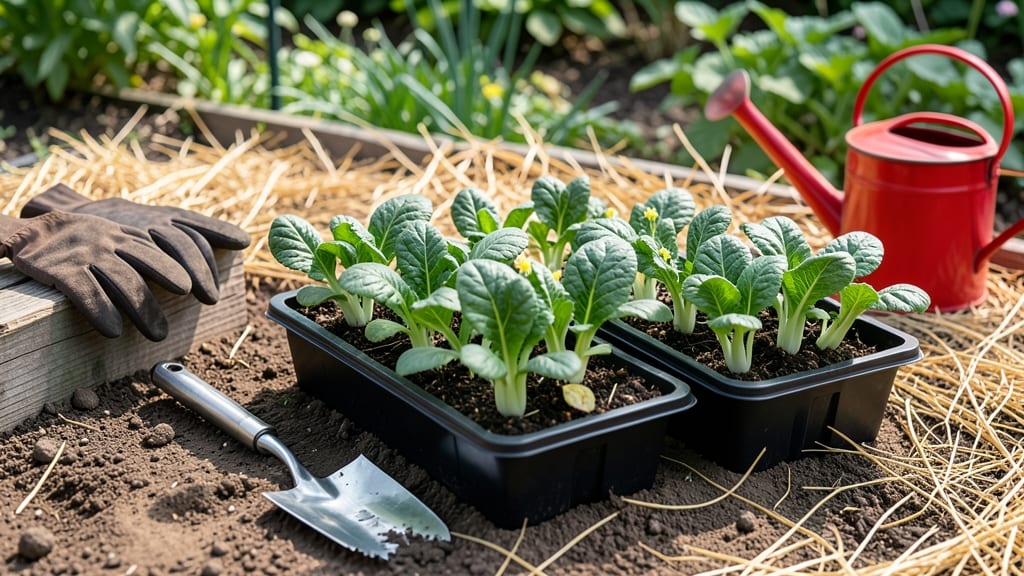
Knowing when to plant bok choy in Zone 9 is the secret to avoiding bitter, bolted greens and enjoying crisp, sweet harvests all winter long.
Unlike cooler climates, Zone 9 gardeners face a unique challenge: bok choy 🥬 hates heat but thrives in mild temperatures—so timing your fall plantings just right makes all the difference.
Most gardeners in Southern California, Phoenix, or Florida assume bok choy grows year-round, but that’s a recipe for disappointment. Plant too early in summer, and you’ll trigger bolting (the plant’s way of saying, “It’s too hot!”).
Wait too long, and you miss the sweet spot for fall harvests before winter sets in.
Here’s the game-changer: Start bok choy seeds in September for a fall harvest, but with a few key adjustments—like shade cloth and proper spacing—to keep them happy through Zone 9’s mild winters.
I’ll walk you through the exact schedule, plus how to stretch your harvest into early spring without losing flavor or texture.
Ready to grow bok choy that’s tender, not tough? Let’s dive into the perfect planting window and the simple tricks that’ll keep your greens thriving all season.
Optimal bok choy planting windows in Zone 9 for fall harvests
Zone 9 gardeners have a unique advantage for growing bok choy—its mild winters and long growing season allow multiple harvests without frost interruptions.
However, timing is critical: plant too early, and heat will trigger premature bolting; wait too long, and you'll miss the coolest months when bok choy thrives.
The ideal window spans from late summer to early spring, with September through March offering the best balance of temperate days and nighttime cooling.
In Southern California, where coastal breezes moderate temperatures, you can start bok choy as early as mid-August for fall harvests, while inland areas like Phoenix should wait until early September to avoid summer heat stress.
Southern Florida’s humidity adds another layer—September 15th is a safer bet to align with the dry season, reducing fungal risks. Each region’s microclimate demands slight adjustments, but the core principle remains: cool roots and warm days are bok choy’s sweet spot.
| Planting Window | Temperature Range (°F) | Soil Prep | Harvest Time |
|---|---|---|---|
| Late August - Mid-Sept | 70-80°F (day) / 60-65°F (night) | Loose, compost-rich soil | Oct-Nov (45 days) |
| Mid-Sept - Oct | 65-75°F (day) / 55-60°F (night) | Add mulch for moisture | Nov-Dec (40 days) |
| Nov - Early Dec | 60-70°F (day) / 50-55°F (night) | Light shade cloth | Dec-Jan (35 days) |
| Jan - Feb | 55-65°F (day) / 45-50°F (night) | Warm soil with black plastic | Feb-Mar (30 days) |
*Adjust dates 1-2 weeks earlier for coastal areas, later for inland deserts.
Direct seeding is the most reliable method in Zone 9, as transplants struggle with heat stress during establishment. Sow seeds ¼-inch deep, spacing them 6 inches apart in rows 18 inches apart.
For transplants, opt for 6-week-old seedlings and harden them off for 5-7 days before setting out. Succession planting every 2-3 weeks ensures a continuous harvest—critical in Zone 9’s long growing season.
Soil temperature is often overlooked but critical for bok choy’s success. Use a soil thermometer to confirm temperatures stay above 55°F—cold soil slows germination.
In desert climates, water soil 24 hours before planting to raise temperatures; in humid coastal areas, let soil cool slightly after rain. Amend clay soils with compost or sand to improve drainage, while sandy soils benefit from organic matter to retain moisture.
Avoid planting bok choy in summer months (June-August) unless you’re using shade cloth—temperatures above 85°F will cause it to bolt within days. Instead, focus on fall and winter windows when daytime highs dip below 75°F and nighttime lows provide cooling.
Even in Zone 9’s mild winters, January and February offer the best conditions for slow, steady growth without stress.
For container growing, use pots at least 12 inches deep with drainage holes and fill with lightweight potting mix. Plant 2-3 seeds per container and thin to the strongest seedling.
Containers dry out faster, so water daily and move them to shadier spots during peak afternoon sun. This method works well for balconies or patios in urban Zone 9 areas like Los Angeles or Miami.
Watch for heat waves even in fall—sudden spikes above 80°F can still trigger
Optimal bok choy planting windows in Zone 9 for fall harvests
In Zone 9, where winters are mild and summers scorching, timing your bok choy planting correctly means the difference between tender greens and bitter bolts. The best window spans from late summer to early spring, but specific dates vary by microclimate—think Southern California vs. Phoenix or Florida.
I’ve broken it down to avoid common pitfalls like heat stress or premature flowering.
For direct sowing, aim for September 15 to October 15—this gives seedlings time to establish before winter’s mild chill. Transplants can go in until November 15, but push it to December 1 in coastal areas where temperatures dip slightly.
The key is avoiding soil temps above 80°F, which triggers bolting faster than you can say "pesto."
Here’s my Zone 9 bok choy planting timeline with temperature thresholds and soil prep tips to keep your crop happy:
| Timeframe | Task | Soil Temp (°F) | Notes |
|---|---|---|---|
| Late August - Mid-Sept | Direct sow seeds | 70-75°F | Use shade cloth if temps rise above 85°F |
| Mid-Sept - Oct 15 | Transplant seedlings | 65-70°F | Hardening off required for 7-10 days |
| Nov 1 - Dec 1 | Succession plant | 60-65°F | Ideal for winter harvests |
| Jan - Feb | Early spring sow | 55-60°F | Avoid if frost risk (Zone 9 rarely has frost) |
Pro tip: In desert climates like Phoenix, start seeds indoors or under shade cloth by August 1 to beat the heat. Coastal areas like San Diego can extend planting to November 30 without fear of frost, but watch for sudden cold snaps.
Always test your soil—bok choy thrives in pH 6.0-7.0 and well-draining soil.
If you’re in Southern Florida, your window shifts slightly later: September 1 to October 31 for direct sowing, as humidity and heat linger longer.
The goal is to have mature plants before December’s occasional cool spells, which can slow growth but won’t kill your crop like a summer heatwave would.
Remember, succession planting every 2-3 weeks ensures a steady harvest. And if you miss the fall window? Don’t despair—early spring (February-March) works too, but mulch heavily to retain moisture as temps rise. The secret to Zone 9 bok choy success is patience and shade! 🌿