
Plants
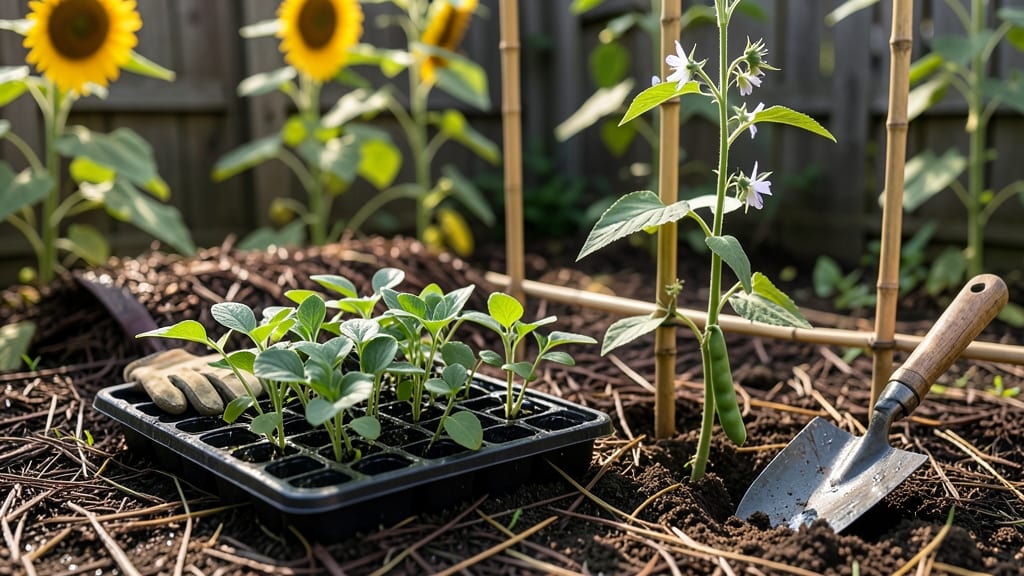
Timing your bean planting in Kansas can make the difference between a bountiful harvest and a sad, wilted garden. With USDA zones 5a-7a bringing unpredictable springs, knowing when to plant beans—whether it's pole beans or bush varieties—is crucial for success.
Most Kansas gardeners wait until after the last frost, typically around April 15, but soil temperature matters more than the calendar. Beans thrive when the ground reaches at least 60°F, so check your local heat zone to avoid early planting pitfalls.
In this guide, I’ll break down the best planting windows by region, share tips for adjusting to Kansas’ fickle weather, and recommend the best heat-tolerant varieties for your garden. Whether you're in Wichita or Kansas City, you’ll learn how to time your planting for maximum yield.
From companion planting to spacing tricks, we’ll cover everything you need to grow beans that flourish—no matter what Mother Nature throws your way. Let’s get those seeds in the ground at the perfect moment!
Kansas heat zones explained: best planting windows by region
Kansas spans USDA Hardiness Zones 5a to 7a, meaning frost dates vary dramatically from northeast to southwest. In Zone 5a (like Hays or Salina), last frost typically hits April 15-20, while Zone 7a (Wichita or Kansas City) often sees frost-free soil by March 20-April 1.
These differences dictate your bean planting window—delaying too long risks stunted growth from summer heat.
Beans thrive when soil temps hit 60°F+, a threshold Kansas usually crosses by mid-April in southern regions but not until late April or early May in the north.
For pole beans, which need a longer growing season, aim for April 20-May 10 in cooler zones. Bush beans, faster-maturing, can go in as early as April 1 in Zone 7a or as late as May 15 in Zone 5a.
Here’s how to align your planting with Kansas’ heat zone map and avoid frost damage or heat stress:
| USDA Zone | Last Frost Date | Best Planting Window | Soil Temp Threshold | Notes |
|---|---|---|---|---|
| 5a (Northeast KS) | April 15-20 | May 1-15 | 60°F+ | Use row covers for early starts |
| 6a (Central KS) | April 1-10 | April 20-May 5 | 60°F+ | Ideal for bush beans |
| 7a (Southwest KS) | March 20-April 1 | April 1-May 1 | 55°F+ | Early heat can stress plants |
🌱 Pro Tip: Test soil temp with a soil thermometer—beans won’t germinate below 50°F.
For pole beans, which take 60-75 days to mature, plant 2-3 weeks earlier than bush beans to ensure harvests before first frost (mid-October).
In Zone 7a, you might squeeze in two plantings: one in early April (for heat-tolerant varieties) and another in late June for a fall harvest.
If you’re in Zone 5a and face late frosts, opt for fast-maturing varieties like ’Blue Lake’ (50 days) or ’Kentucky Wonder’ (60 days). These can tolerate cooler soils and still yield before summer’s peak heat.
In Zone 7a, focus on heat-resistant types like ’Rattlesnake’ or ’Romano’, which handle 90°F+ temps better than standard varieties.
Don’t forget succession planting: Sow new seeds every 2 weeks from April to June to stretch your harvest. This works especially well in Kansas City’s Zone 6b, where you can enjoy beans from July through September.
Just monitor soil moisture—Kansas summers can dry out fast, and beans need consistent watering to avoid blossom drop.
For container gardening (common in urban areas like Overland Park), plant beans in 5-gallon pots after May 10 to avoid early frost. Use fast-draining soil and place pots in full sun (6+ hours daily). Containers warm up faster than ground soil, giving you a 2-week head start on planting.
One common mistake? Planting beans too deep. Seeds need 1 inch of soil coverage max—burying them deeper reduces germination rates. Also, avoid planting near potatoes or tomatoes, which can stunt bean growth. Instead, pair them with corn or cucumbers for a three-sisters garden that boosts yields.
Track your local frost dates using the Kansas State University Extension’s frost map or a weather app like Old Farmer’s Almanac. These tools help fine-tune your planting schedule based on real-time data.
With the right timing, you’ll enjoy homegrown beans from July through September—just in time for summer salads and canning!
How to adjust planting dates for Kansas’ unpredictable spring weather
Kansas springs can be as unpredictable as a tornado warning—one day it’s freezing, the next it’s sweltering. To beat the odds, I’ve learned to use soil thermometers, row covers, and succession planting to stretch the bean-growing season safely.
The key? Start seeds indoors or use cold-hardy varieties if late frosts linger past April 15.
Even if your last frost date is early April, don’t rush planting. Beans need soil temperatures of at least 60°F to germinate properly. In cooler zones like USDA 5b, wait until mid-May to avoid stunted growth.
A simple trick? Bury a thermometer in the soil—if it reads below 60°F, hold off for another week.
For gardeners in Wichita or western Kansas, where drought is a concern, I recommend planting drought-tolerant varieties like 'Black Valentine' or 'Provider' in late May. These varieties thrive in the hotter summer months when traditional beans might bolt or struggle.
Planting later also reduces the risk of bean beetles, which are more active in early spring.
- Use row covers to protect seedlings from late frosts (remove when flowers appear).
- Plant in black plastic mulch to warm soil faster and suppress weeds.
- Try succession planting: Sow seeds every 2 weeks from May to June for continuous harvests.
- Choose early-maturing varieties (e.g., 'Blue Lake' or 'Kentucky Wonder') to harvest before heat stress sets in.
- Water deeply in the evening during heatwaves to keep roots cool and reduce evaporation.
If you’re planting in eastern Kansas (USDA 6a-7a), where summers are humid, focus on airflow and spacing. Crowded plants invite fungal diseases like rust or powdery mildew. Space bush beans 4-6 inches apart and pole beans 6-8 inches apart with trellises to improve circulation.
I’ve also had success using drip irrigation to keep foliage dry, which cuts down on disease risks.
Don’t forget about fall planting for late-season varieties! In southern Kansas, you can sow heat-tolerant beans like 'Roma II' as late as July 15. These varieties mature quickly (in 50-60 days) and can produce a second harvest before the first frost hits in mid-October.
Just be sure to harvest before pods toughen—they’ll turn woody fast in cooler weather.
Pro tip: Keep a planting journal to track your success. Note when you planted, soil temps, and any weather surprises. Over time, you’ll spot patterns—like why your beans always struggle in June heatwaves or thrive after a cool July. Adjust your schedule each year based on what you learn!