
Companion Plants
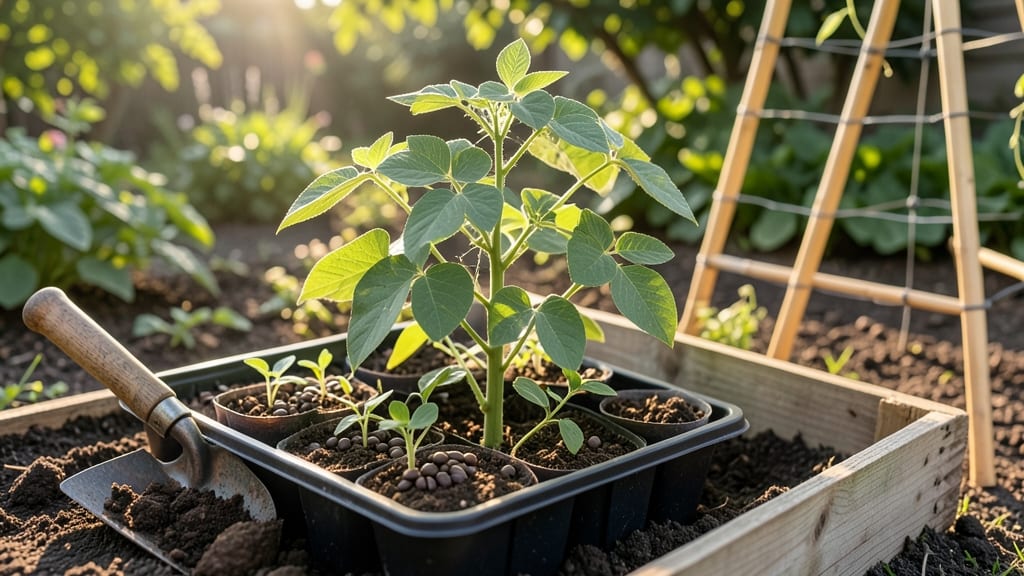
Timing your bean planting in Pennsylvania isn't just about throwing seeds into the ground—it's about beating frost, embracing heat zones, and unlocking a harvest that tastes like summer. With USDA zones 5b-7a and unpredictable spring weather, getting the window right means the difference between thriving 🌱 plants and wasted effort.
Most gardeners in PA plant their beans between mid-April and early June, but that’s only half the story.
The real secret lies in understanding your specific heat zone—whether you're in cooler northern regions or warmer southern areas—and how soil temperature (at least 60°F) dictates when seeds will actually sprout.
Here’s what you need to know: Warm-season varieties like green and lima beans demand patience, while cold-hardy options can stretch your growing season into fall.
Whether you're direct-sowing seeds or using transplants, we’ll break down the exact timing for your zone—and how to avoid the three mistakes that kill most PA bean gardens.
Let’s dive into the zero-frost planting strategy that will have you picking fresh beans all season long, no matter where you are in the Keystone State.
Pennsylvania planting zones for beans: USDA heat zone guide
Pennsylvania spans USDA zones 5b through 7a, meaning your last frost date can vary dramatically—from early April in southern regions like Philadelphia to late May in northern PA.
This variation directly impacts when you should plant bush beans (like Blue Lake) versus pole beans (like Kentucky Wonder), as well as whether you can squeeze in a fall harvest.
For example, gardeners in zone 5b (e.g., Pittsburgh) have a shorter growing season than those in zone 7a (e.g., Harrisburg).
To simplify, I’ve broken down the ideal planting windows by zone, including soil temperature thresholds (beans need at least 60°F soil) and frost-free day calculations.
In northern PA (zones 5a–5b), you’ll focus on late May to early June plantings, while southern PA (zones 6a–7a) can start as early as mid-April. The key is aligning your planting with the 120–150 frost-free days beans need to mature.
| USDA Zone | Last Frost Date | Spring Planting Window | Fall Planting Window | Soil Temp Threshold | Notes |
|---|---|---|---|---|---|
| 5a–5b (Erie, Scranton) | Late May | Late May–early June | Late July–early Aug | 60°F+ | Short season; use fast-maturing varieties like Provider. |
| 6a (State College) | Mid-April | Mid-April–early May | Early Aug–mid-Aug | 60°F+ | Longer season; can plant pole beans for late harvest. |
| 7a (Philadelphia) | Early April | Early April–late April | Late July–early Sept | 60°F+ | Longest season; can plant two crops (spring + fall). |
For pole beans, which take longer to mature, I recommend starting in early May in zone 5b and late April in zone 7a. These varieties need the extra time to climb and produce pods.
Meanwhile, bush beans are more forgiving and can handle slightly later plantings if your season is short. Pro tip: Use a soil thermometer to confirm temperatures—beans won’t germinate below 60°F, even if the air is warm.
If you’re in northern PA, consider pre-sprouting seeds indoors 1–2 weeks before your target planting date. This gives you a head start on the 60–75 day growth window.
For southern PA, you can even plant a fall crop in late July or early August for a harvest in September or October, provided you choose heat-tolerant varieties like Black Valentine.
Don’t overlook microclimates in your area. A south-facing wall or black plastic mulch can warm the soil by 5–10°F, allowing you to plant 1–2 weeks earlier in cooler zones.
For example, my zone 5b garden in Pittsburgh gets a 3°F warmer microclimate near my brick wall, letting me plant bush beans by May 10th instead of waiting until May 20th.
For real-time updates, check the PA State University Extension’s frost date maps or use the National Gardening Association’s Planting Calendar. These tools adjust for year-to-year variations in frost dates, which can shift by 1–2 weeks due to climate patterns.
For instance, the 2023 growing season in Philadelphia saw a 3-week delay in last frost due to late spring rains.
Finally, if you’re unsure about your exact USDA zone, use the Zip Code Zone Finder on the USDA website. Plugging in your address will give you precise zone details, including average first/last frost dates for your
Direct sowing vs. starter plants: PA-specific timing secrets
Deciding whether to direct sow bean seeds or use starter plants in Pennsylvania depends on your local microclimate and planting goals. Most gardeners in PA opt for direct sowing because beans are sensitive to root disturbance, and transplants rarely thrive.
However, starter plants can give you a 2-week head start in cooler zones like USDA 5a–6a.
For spring planting, aim to sow seeds 1–2 weeks after your last frost date (typically mid-to-late May in most of PA). If you’re using starter plants, transplant them only after soil warms to 60°F+—a soil thermometer is your best friend here.
In northern PA (zones 5a–5b), starter plants might be worth the effort, but in southern PA (zones 6a–7a), direct sowing is simpler and just as effective.
| Method | Best For | PA Timing | Pros | Cons |
|---|---|---|---|---|
| Direct Sowing | Zones 6a–7a, warm soil | Mid-May to early June | Cheaper, stronger roots, no transplant shock | Slower germination in cool soil |
| Starter Plants | Zones 5a–5b, short season | Late May to early June | Faster harvest, earlier yield | Expensive, root stress risk |
| Pre-Sprouted Seeds | All zones, cool soil | Late April (with row covers) | Faster germination, extends season | Requires extra care |
If you’re planting in northern PA and want to extend your season, try pre-sprouting seeds indoors 1–2 weeks before your target planting date. Place them in a damp paper towel, keep them warm (around 70°F), and transplant them once they’ve sprouted but before roots emerge.
This trick works wonders for pole beans, which need more time to mature.
For fall planting (a smart move in PA!), aim to sow seeds 8–10 weeks before your first frost (typically mid-August to early September). Fall beans often produce sweeter, more tender pods because they grow in cooler weather.
Just be sure to choose shorter-season varieties like Blue Lake Bush or Provider to avoid frost damage.
Pro tip: Use row covers or black plastic mulch to warm the soil faster in spring. This can shave off 1–2 weeks from your planting timeline, giving you an earlier harvest. Just remove covers once beans flower to prevent overheating.
Remember, beans are fast growers—most varieties mature in 50–75 days. The key is planting at the right time so they’re ready to harvest before summer’s brutal heat sets in. In PA, that means spring plantings in May and fall plantings in August for the best results.