
Plants
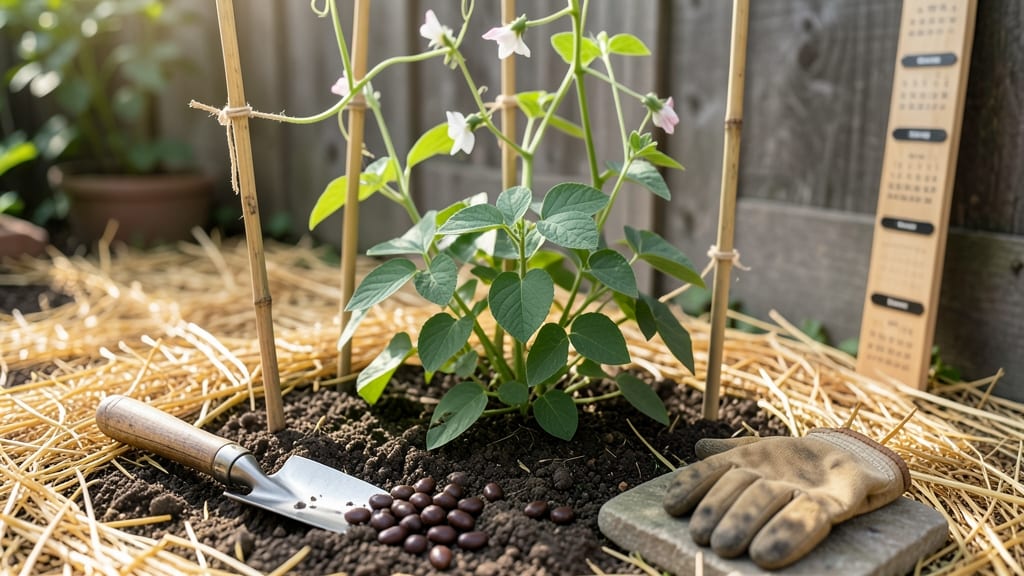
Knowing when to plant beans in Zone 7 can mean the difference between a thriving garden and wasted effort—especially when spring weather plays tricks on you. Those warm days in March might tempt you to rush, but beans need just the right conditions to take off.
In Zone 7, your best bet is to wait until soil temperatures hit 60°F and the last frost has passed, usually around mid-April. But don’t stress if you miss that window—late summer planting in August still works for a fall harvest.
The key is understanding your local microclimate and choosing varieties that handle cooler starts.
I’ve grown beans in Zone 7 for years, and I’ll share exactly which varieties thrive early, how to time your planting for maximum yield, and even how to stretch your harvest with succession planting. Let’s get those 🌱 seeds in the ground the right way.
Whether you’re a first-time gardener or a seasoned pro, these tips will help you avoid common mistakes and enjoy a bumper crop of fresh, homegrown beans all season long. Ready to dig in?
Optimal planting windows for beans in Zone 7: soil temps and frost dates
Zone 7 gardeners know timing is everything—especially for beans, which thrive when planted at the right soil temperature and frost-free window. Unlike heat-loving tomatoes, beans can handle cooler starts, but rushing them risks poor germination or frost damage.
The key is waiting until your soil hits 50-60°F and the last frost date has passed (typically mid-April in most of Zone 7).
For me, the ideal planting window stretches from late April to early May, aligning with when soil warms and nights stay reliably above 50°F. This timing ensures strong root development before summer heat arrives.
But don’t panic if your spring drags—beans are fast growers, and a late-May start can still yield well if followed by consistent care.
If you’re eager for an early harvest, consider cold-hardy varieties like Blue Lake Bush or Kentucky Wonder Pole, which tolerate 45°F soil temps and can even handle light frosts. These varieties buy you an extra 2-3 weeks of planting flexibility, perfect for Zone 7’s variable springs.
| Stage | Action | Notes |
|---|---|---|
| Soil Prep | Test soil pH (6.0-7.0) | Beans need slightly acidic soil |
| Planting Window | Late April–Early May | After last frost, soil 50-60°F |
| Depth | 1 inch deep | Seeds need darkness to germinate |
| Spacing | 3-4 inches apart | Bush beans: 4-6 inches apart |
| Succession Planting | Every 2 weeks until July | Staggered harvests prevent gluts |
| Late Summer Option | Late August | For fall harvest before frost |
Don’t overlook late-summer planting in Zone 7! While spring is prime, a late-August sowing can yield beans into September or October, extending your harvest season. Choose short-season varieties like Provider Pole (50 days to maturity) to beat the first frost, which typically hits around mid-October.
Pro tip: Use a soil thermometer to confirm readiness—beans won’t germinate well in cold soil. If your spring is slow, opt for black plastic mulch to warm the soil faster. I’ve seen a 10°F difference under mulch, which can shave weeks off your planting timeline.
For container growers, start seeds indoors 4-6 weeks before your last frost date. Transplant seedlings outdoors when they’re 2-3 inches tall and soil temps are stable. This method gives you an earlier harvest and works well for balcony gardens in Zone 7’s urban areas.
Remember: Beans are nitrogen-fixers, meaning they improve soil health. Plant them after heavy feeders like corn or potatoes to replenish nutrients. Pair them with companion plants like basil or marigolds to deter pests and boost growth.
Finally, keep an eye on your local microclimate. South-facing beds warm up faster, while shady spots may need a 1-2 week delay. Adjust your planting date based on your garden’s unique conditions—perfect timing is the secret to bountiful bean harvests in Zone 7.
Optimal planting windows for beans in Zone 7: soil temps and frost dates
Zone 7 gardeners know that timing is everything when planting beans. Unlike heat-loving veggies, beans thrive when soil temperatures hit 50-60°F—earlier than many realize.
The key is balancing soil warmth with frost risk, which in Zone 7 typically means planting between mid-April and early May after the last frost date (usually around April 15).
But here’s the catch: some cold-hardy bean varieties can handle soil temps as low as 40°F, giving you a narrow window to plant early.
If you’re eager to start, test your soil with a soil thermometer—beans won’t germinate well below 50°F. For late plantings, August is your second chance before the first frost in mid-October.
| Stage | Action | Notes |
|---|---|---|
| Early Spring | Plant after last frost (April 15) | Soil temp: 50-60°F; use cold-hardy varieties |
| Late Summer | Sow seeds in August | Harvest before first frost (Oct 15) |
| Soil Prep | Test soil temp and amend with compost | Beans need well-draining, nitrogen-rich soil |
Pro tip: Use black plastic mulch to warm soil faster in early spring. This trick can shave off critical weeks, letting you plant 2-3 weeks earlier than the average Zone 7 gardener. Just remove it once soil temps stabilize above 60°F to avoid overheating.
If you’re unsure about frost dates, check your local Cooperative Extension Service for hyper-local advice. Microclimates—like south-facing slopes or urban heat islands—can shift your planting window by 1-2 weeks. Always err on the side of caution: beans planted too early in cold soil may rot before sprouting.
For succession planting, sow new seeds every 2 weeks until early July. This ensures a steady harvest through September. Just remember: beans planted after July 1st may not mature before frost, especially in cooler microclimates within Zone 7.
Finally, monitor your garden’s heat accumulation. Beans need at least 900-1,000 growing degree days (GDD) to mature. Use a GDD calculator to track progress—it’s the secret to predicting harvest dates with precision.