
Plants
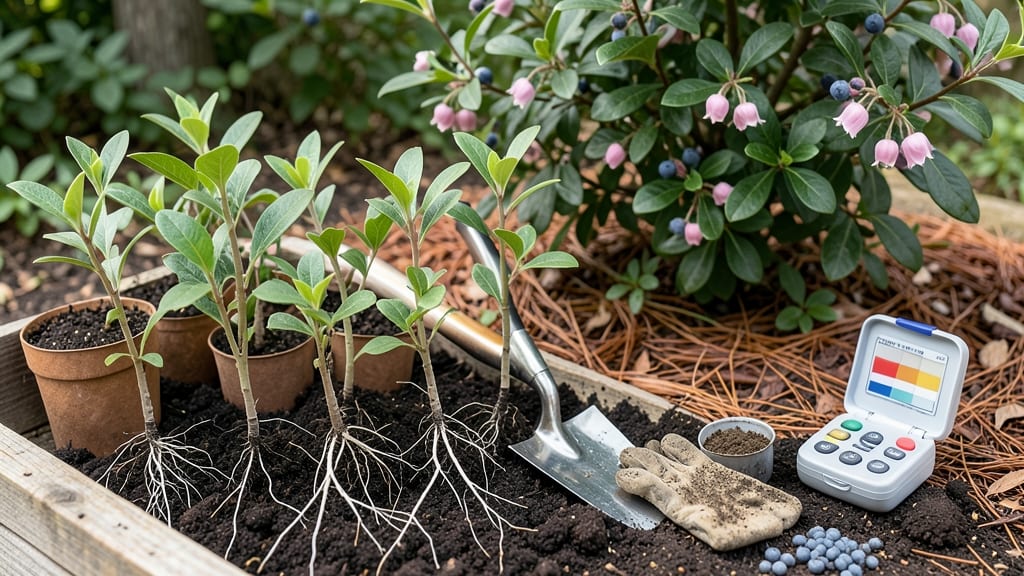
If you’ve ever dreamed of picking fresh 🫐 blueberries straight from your Mississippi garden, timing your planting is the key to success—or failure. Planting too early risks frost damage, while waiting too long might leave your bushes struggling to establish roots before the summer heat kicks in.
Mississippi’s 7b-8b climate means blueberries need a delicate balance: enough chill hours to set fruit but not so much that late frosts wipe out your saplings. The ideal window—late winter to early spring—gives your bushes time to root before the growing season ramps up.
In this guide, I’ll break down the exact steps to plant blueberries in Mississippi, from soil prep to frost-free deadlines. You’ll learn how to choose the right variety, avoid common pitfalls, and set your bushes up for a bountiful harvest by next summer.
Whether you’re a first-time gardener or a seasoned grower, these insights will help you turn your blueberry dreams into reality—without the guesswork.
Mississippi’s blueberry planting timeline by chill-hour zones
Mississippi’s USDA Zones 7b-8b create a unique challenge for blueberry growers—too few chill hours can stunt Southern Highbush varieties, while Rabbiteye types thrive with more. Most of Mississippi falls into the 300-600 chill hour range, making late winter planting your best bet to avoid spring frost damage.
The ideal planting window spans from mid-February to early April, but timing depends on your county’s last frost date. North Mississippi (like Tunica or Tupelo) averages frost until March 15, while the Delta (e.g., Greenville) may see late frosts into April.
Always check local frost risk maps before digging.
Soil temperature is equally critical—bare-root blueberries need 50-60°F soil to establish roots. In Mississippi, this typically aligns with late February to March, but container-grown plants can handle slightly cooler soils. Test your soil’s pH (4.5-5.5) before planting; Mississippi’s native clay often skews alkaline, requiring sulfur amendments.
🌱
| Variety | Chill Hours | Best Planting Window | Soil Prep Deadline | Mississippi Notes |
|---|---|---|---|---|
| Southern Highbush | 300-600 | Late Feb–Early Mar | January | Needs winter chill; avoid Delta heat stress |
| Rabbiteye | 400-800 | Mid-Feb–Late Mar | December | Tolerates North MS frosts; plant early |
| Top Hat (Dwarf) | 300-500 | Early Mar–Early Apr | February | Container-friendly; extend season with mulch |
For bare-root plants, prioritize February planting—roots establish faster in cooler soils, reducing transplant shock. If you miss this window, container-grown blueberries can go in until early April, but they’ll need extra mulch to protect roots during Mississippi’s unpredictable spring frosts.
Mississippi’s humidity also demands vigilance—plant in morning hours to avoid midday heat stress. Shade cloth can help young plants acclimate if temperatures exceed 85°F during transplanting. In North Mississippi, aim for February 15 to avoid late frosts, while South Mississippi growers can push to March 1.
🌿
Don’t overlook mulching—a 3-inch layer of pine straw keeps roots cool and retains moisture, critical in Mississippi’s clay-heavy soils. Apply mulch immediately after planting to prevent soil temperature spikes. For container plants, use acid-loving fertilizer (like 12-4-8 NPK) to offset Mississippi’s alkaline water.
Pro tip: Tag your plants with the purchase date—Mississippi’s short growing season means slower maturity for late plantings. Southern Highbush varieties may take 2 years to bear fruit if planted after March 15, while Rabbiteyes recover faster.
☀️
Step-by-step planting schedule: from bare root to frost-free
Mississippi’s blueberry planting window runs from late winter through early spring, but the exact timing depends on whether you’re planting bare-root saplings or container-grown bushes. Bare-root plants thrive when soil temperatures hit 50-60°F, while container-grown varieties offer more flexibility.
My rule of thumb? Plant bare-root blueberries in February and container-grown plants in March to avoid spring frost surprises.
Before you dig, prep your acidic soil mix (pH 4.5-5.5) by amending with peat moss or sulfur. Mississippi’s native soil often leans alkaline, so testing your pH is non-negotiable. I use a simple soil test kit from my local nursery—it’s cheaper than guessing and losing your investment.
Here’s my month-by-month planting schedule to maximize root establishment before Mississippi’s unpredictable spring frosts. Follow this timeline, and you’ll be harvesting juicy Southern Highbush or Rabbiteye blueberries by next summer.
Pro tip: If you’re in North Mississippi (USDA Zone 7b), aim for earlier planting (February) to take advantage of cooler soils. In the Delta (Zone 8a), wait until mid-March to avoid heat stress. Always check your local frost-free date—Mississippi’s can vary by 10-14 days between regions.
Remember, container-grown blueberries adapt better to Mississippi’s heat and humidity, so if you’re new to growing them, start with these. They’re pricier upfront but far more forgiving. Once established, your bushes will thrive for 15-20 years, making the upfront effort worth it.
🌱