
Plants
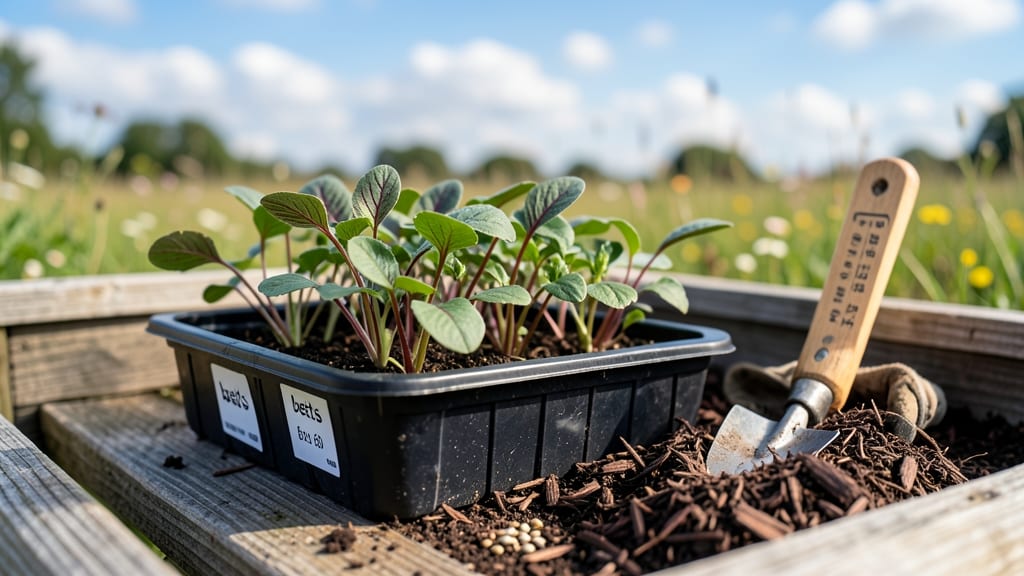
Timing is everything when it comes to growing sweet, tender 🍠 beets in Illinois, and planting them too early or late can turn your harvest into tough, bitter roots.
The key to success lies in knowing exactly when to sow these cold-hardy vegetables—whether you're in Chicago's cooler climate or Southern Illinois' slightly milder zones.
For most of Illinois in zones 5-6, the ideal planting window opens on March 15 and stretches through April 30 for spring crops, followed by a second chance from August 15 to September 15 for fall harvests.
But here's the catch: soil temperature and frost dates can shift these windows by weeks depending on your microclimate.
If you've ever struggled with beets that bolted too quickly or developed a woody texture, you're not alone. The solution starts with understanding how Illinois' unpredictable weather patterns affect planting schedules—and how to adjust your timing for the crispest roots possible.
In this guide, I'll break down the exact dates you need to plan for, plus pro tips to extend your harvest season and avoid common mistakes that ruin beet crops. Let's get those seeds in the ground at the perfect moment.
Optimal Illinois beet planting dates by region (Chicagoland vs. Southern Illinois)
Illinois’ diverse climate zones mean your beet planting schedule should differ between Chicagoland (USDA Zone 5) and Southern Illinois (Zone 6). Timing these cool-season crops correctly prevents bolting and ensures sweet, tender roots.
Let’s break down the best windows for each region, accounting for frost dates and soil temperatures.
In Northern Illinois (like Chicago), the last frost typically hits around April 15, while Southern Illinois enjoys a 2-3 week earlier spring. This shift means Southern gardeners can start planting 2 weeks sooner than their Northern counterparts.
For both regions, fall planting should begin 8-10 weeks before your first frost—usually mid-August in the North and early August in the South.
Here’s the comparison table with exact planting windows, soil temperature thresholds, and regional adjustments:
For Northern Illinois gardeners, planting too early (before March 20) risks cold soil, which slows germination. Instead, start seeds indoors 4-6 weeks before your target outdoor date or use a seedling heat mat to jumpstart growth.
In Southern Illinois, the longer growing season lets you push fall planting into early September—just monitor soil temps and avoid sowing when nights dip below 50°F (10°C).
Pro tip: Use succession planting every 2 weeks in spring and fall to ensure a continuous harvest. For example, if you plant your first batch on March 20, follow up with April 3 and April 17 for staggered maturity.
This method works especially well in Southern Illinois, where the extended season allows for 3-4 plantings instead of 2.
If you’re in Chicagoland, consider microclimate adjustments. Urban areas with concrete or pavement can stay 5-10°F warmer than rural zones, delaying frost. Check your local weather station data or use a soil thermometer to confirm readiness.
For rural areas, windbreaks (like tall grasses or hedges) can protect young seedlings from late spring frosts.
Remember: Beets tolerate light frosts but avoid planting when soil temps drop below 40°F (4°C). Use mulch (straw or leaves) to insulate roots in fall plantings and prevent bolting from temperature swings. With these region-specific timelines, you’ll harvest sweet, crisp beets from June through November.
🌱
Optimal Illinois beet planting dates by region (Chicagoland vs. Southern Illinois)
Illinois’ two distinct climate zones mean your beet planting schedule should vary between Chicagoland (Zone 5) and Southern Illinois (Zone 6). The key difference? Frost dates shift by 2-3 weeks, so timing your spring and fall plantings correctly avoids bitter roots or wasted seeds.
Let’s break it down by region for maximum sweetness in your harvest.
In Chicagoland (Zone 5), your last spring frost typically arrives around April 15, while Southern Illinois (Zone 6) sees frost-free soil by March 25. This means Southern Illinois gardeners can start 2 weeks earlier—a critical advantage for early harvests.
For both regions, fall planting should begin 8-10 weeks before your first frost (aim for mid-August in Zone 5 and early August in Zone 6).
| Region | Spring Planting Window | Fall Planting Window | Soil Temp Requirement |
|---|---|---|---|
| Chicagoland (Zone 5) | March 25 – April 30 | August 15 – September 15 | 45°F+ (for germination) |
| Southern Illinois (Zone 6) | March 15 – April 15 | August 1 – September 1 | 40°F+ (warmer soil earlier) |
Pro tip: Use row covers in early spring to extend your planting window by 2-3 weeks if nighttime temps dip below 45°F. This is especially useful in Zone 5, where late frosts can delay planting until mid-April.
For fall crops, prioritize early-maturing varieties like ‘Detroit Dark Red’ (50 days) to harvest before first frost.
Watch for soil temperature, not just calendar dates. Beet seeds won’t germinate below 40°F, so use a soil thermometer to confirm readiness.
In Southern Illinois, you might see germination as early as March 15, while Chicagoland gardeners should wait until soil hits 45°F—usually mid-to-late March. Overwatering cold soil can actually delay germination, so keep beds moist but not soggy.
For year-round harvests, stagger plantings every 2 weeks in spring and 3 weeks in fall. This ensures a continuous supply of tender beets from June through November.
Just remember: Beets hate heat—plant summer crops only in partial shade if temps exceed 85°F for extended periods. Succession planting is your secret weapon for avoiding bolting and bitter flavors.
One final rule: Never plant beets after July 1 in Illinois unless you’re using shade cloth. The combination of heat and long daylight triggers bolting, turning your sweet roots into woody, pithy disappointments.
Stick to spring and fall, and you’ll enjoy crisp, flavorful beets all season long. 🌱