
Plants
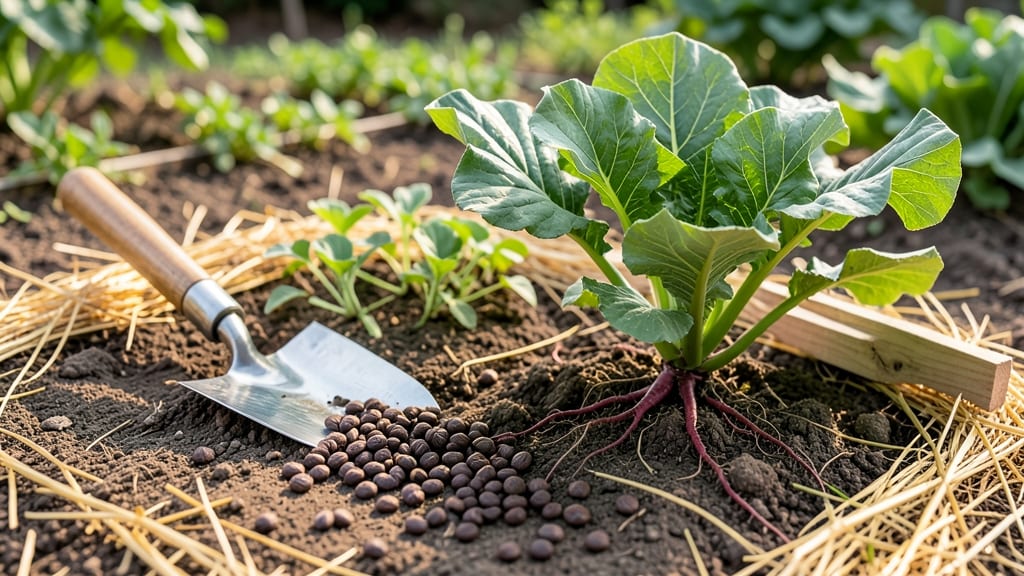
Timing your beet planting in Zone 7a is the secret to sweet, tender roots instead of bitter, tough ones—get it wrong, and you’ll end up with frustration instead of harvests. 🍠 The key lies in cooler temperatures, and knowing exactly when to sow ensures you avoid the heat that turns these earthy gems into woody disappointments.
In Zone 7a, where last frosts typically hit around March 15 and first frosts arrive by November 15, your best bets are early spring and late summer plantings. Spring offers a long growing season, while fall lets you enjoy fresh beets right up until winter sets in.
But rushing it? That’s how you end up with bolting plants or stunted growth.
I’ll walk you through the exact windows for planting—4–6 weeks before your last frost in spring and 6–8 weeks before your first frost in fall—plus how to adjust for unexpected weather.
Whether you’re a first-time gardener or a seasoned green thumb, these deadlines will help you plan for a steady supply of crisp, flavorful beets all season long.
Ready to master the timing? Let’s dive into the two perfect planting seasons for Zone 7a beets and how to stretch your harvests without the guesswork.
Zone 7A spring planting schedule for beets: avoid these critical mistakes
Spring is the best time to plant beets in Zone 7A, but timing matters—sow too early, and they’ll bolt; too late, and they’ll taste bitter. The ideal window is 4–6 weeks before your last frost date, which for Zone 7A is typically March 15.
Start seeds indoors 3–4 weeks before this date for a head start.
Beets grow best when soil temperatures hover between 50°F–70°F. In Zone 7A, this usually means waiting until mid-March to early April. Use a soil thermometer to confirm—plant when temps consistently stay above 50°F to avoid slow germination.
For continuous harvests, practice succession planting every 2–3 weeks until late May. This ensures fresh beets all season long without overcrowding. Heat-tolerant varieties like 'Detroit Dark Red' or 'Golden' handle Zone 7A’s spring warmth better than others.
Direct sow seeds ½ inch deep, spacing them 1–2 inches apart. Thin seedlings to 3–4 inches apart once they reach 2 inches tall. Mulch with straw or shredded leaves to retain moisture and suppress weeds—critical in Zone 7A’s variable spring rains.
Avoid planting beets after mid-June in Zone 7A, as rising temperatures cause bolting (flowering) and bitter roots. If you miss spring, shift focus to fall planting for your next harvest window.
🌱 Zone 7A Spring Beet Planting Guide
| Stage | Action | Notes |
|---|---|---|
| Soil Prep | Test pH (6.0–7.0) | Add compost for fertility |
| Planting Window | March 15–April 15 | Avoid frost-sensitive stages |
| Succession Planting | Every 2–3 weeks | Until late May |
| Thinning | 3–4 inches apart | Do when 2" tall |
| Harvest Window | 60–70 days after sowing | Before roots get woody |
Watch for bolt-resistant varieties if your Zone 7A spring stretches into unusually warm weather. 'Early Wonder' or 'Chioggia' mature faster (50–60 days) and tolerate heat slightly better than standard types. Pair them with shade cloth during peak afternoon sun for extra protection.
Rotate beet plantings with non-root crops like lettuce or beans to prevent soil-borne diseases. Zone 7A’s humid springs can foster fungal issues, so ensure 6+ hours of sunlight and well-draining soil to keep roots crisp and healthy.
Mark your calendar for June 1 as the last call for spring beets in Zone 7A. After this date, shift focus to fall planting or opt for heat-tolerant greens like Swiss chard to avoid bitter harvests.
Pro tip: Harvest young beets (1–2 inches) for tender greens and let larger roots mature for storage. In Zone 7A, store harvested beets in cool, dark conditions (32°F–35°F) for up to 3 months.
Fall planting beets in Zone 7A: the 6-Week rule for perfect harvests before frost
Fall is my favorite time to grow beets in Zone 7A—the cooler weather brings sweeter roots and fewer pests. To nail your fall harvest, time your planting so beets mature 6 weeks before your first frost (typically November 15 in Zone 7A).
This window ensures roots grow plump without turning woody from cold snaps.
Start sowing seeds between mid-August and early September for a reliable harvest. If you miss this window, you can still try a late-September planting, but use row covers to extend the season. The key is avoiding bolting (flowering) caused by heat stress or frost exposure.
- 🌱 Mid-August: Sow first batch for early fall harvest
- 🌿 Early September: Second planting for main harvest
- 🌡️ Late September: Use row covers if nights dip below 50°F
- ❄️ 6 weeks before frost: Harvest before hard freeze
For Zone 7A, focus on heat-tolerant varieties like 'Detroit Dark Red' or 'Golden' for fall. These handle late-summer heat better than delicate types. Test your soil temperature—it should stay above 50°F for germination. If it drops below, wait until conditions warm up.
Mulch heavily with straw or leaves to insulate roots from temperature swings. This keeps soil temps stable and prevents bolting. Water consistently—1 inch per week—but reduce frequency as frost nears to toughen up the roots for storage if desired.
Pro tip: Harvest before hard frost (when temps drop below 25°F) to avoid damage. If you miss the window, try overwintering beets in a cold frame for early spring harvests. Just remember—frost-sweetened beets are a bonus, but frozen roots are a bust!
Fall-planted beets often taste sweeter because they convert starches to sugars as temps drop. For the best flavor, harvest when roots are 1-3 inches wide and greens are 6-12 inches tall. Store extras in a cool, dark place for up to 2 weeks.