
Plants
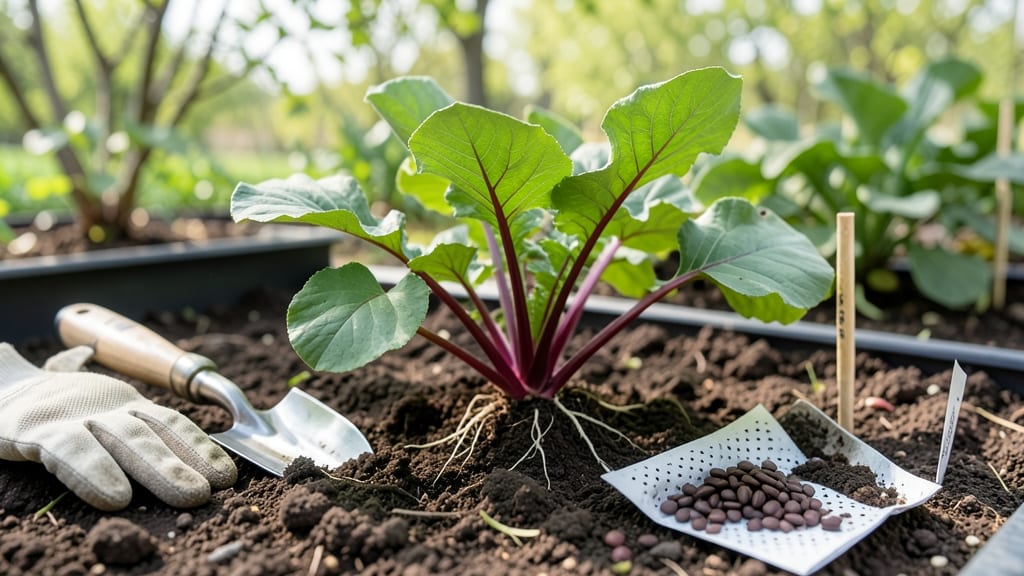
Knowing when to plant beet seeds in Zone 6 makes all the difference between a garden full of sweet, tender 🍠 and one full of bitter, bolted disappointment.
Beets are cool-season crops that love spring and late summer—but get the timing wrong, and you'll end up with tough roots or wasted effort.
In Zone 6 (6a-6b), your best bets are March 15 to May 15 for spring planting and July 15 to August 15 for late summer. These windows align with soil temperatures and frost dates to give your beets the perfect start.
Miss them, and you risk bolting (when beets flower early and turn woody) or stunted growth.
Here’s the game-changer: succession planting. By spacing out your sowings every 2–3 weeks, you can enjoy a steady harvest from June through November. Whether you’re a first-time gardener or a seasoned pro, these strategies will help you grow beets that are sweeter, larger, and more abundant than ever.
Ready to dig in? Let’s break down the exact steps to time your plantings like a pro—so you can enjoy homegrown beets all season long.
Optimal beet seed planting times in Zone 6: spring vs fall schedule
In Zone 6, beets are a cool-season crop that thrives when temperatures stay between 50°F and 75°F. Planting at the wrong time can cause them to bolt (flower prematurely) or develop tough, woody roots.
My best advice? Focus on two key windows: early spring and late summer. Let’s break down the exact timing and conditions for success.
For spring plantings, aim to sow beet seeds 2-4 weeks before your last frost date—typically between March 15 and April 15 in Zone 6. This gives seedlings time to establish before soil temperatures rise.
If you plant too early, cold soil can delay germination, while late spring plantings risk bolting as heat increases.
Your late summer planting window is just as critical. Sow seeds between July 15 and August 15 to ensure harvests before the first frost (usually mid-October). This second crop takes advantage of cooling temperatures and avoids the extreme heat of peak summer.
🌱
| Planting Window | Ideal Soil Temp | Moon Phase Tip | Harvest Window |
|---|---|---|---|
| March 15–April 15 (Spring) | 45°F–60°F | Plant during waxing moon for stronger roots | June–October |
| July 15–August 15 (Late Summer) | 55°F–70°F | Avoid full moon; opt for waning moon | October–November |
Soil temperature is your biggest indicator for planting success. Use a soil thermometer to confirm temps are above 50°F before sowing. Cold soil slows germination, while soil above 75°F triggers bolting. In Zone 6, morning frost can still linger in early spring, so protect seedlings with row covers if needed.
For moon phase enthusiasts, planting during the waxing moon (when the moon is growing) encourages root development, while the waning moon (shrinking moon) supports leafy growth. This isn’t scientific, but many gardeners swear by it for sweeter, more uniform beets!
If you miss these windows, don’t despair—succession planting can still work. Sow a final batch in early September for a late fall harvest, but be prepared to harvest before frost hits. Just remember: beets store well, so a smaller late crop can be kept in the fridge for weeks.
Pro tip: Direct sow seeds rather than starting indoors. Beets have a long taproot that dislikes transplanting. Scatter seeds ½ inch deep, 1–2 inches apart, and thin seedlings to 3–4 inches apart once they’re 2–3 inches tall. This spacing prevents overcrowding and ensures plump roots.
Finally, keep an eye on day length. Beets bolt when days get too long (typically after June 21). In Zone 6, this means your late summer planting is your last chance for a reliable harvest before winter sets in.
☀️
Optimal beet seed planting times in Zone 6: spring vs fall schedule
In Zone 6, timing your beet seeds correctly means the difference between sweet, tender roots and bitter, bolted greens. The key is planting when soil temperatures stay between 45°F and 85°F—too hot or cold, and germination suffers.
For most gardeners, this means two ideal windows: early spring and late summer.
Spring is your first chance to sow beets, but rushing too early can lead to frost damage or slow growth. Wait until 2-3 weeks after your last frost date (around March 15–April 15 in Zone 6).
This gives the soil time to warm while still providing cool weather that prevents bolting. For a fall harvest, aim for July 15–August 15 to beat the first frost by at least 8–10 weeks.
Beet Planting Schedule for Zone 6
| Season | Planting Window | Soil Temp | Days to Harvest | Key Tip |
|---|---|---|---|---|
| Spring | March 15–April 15 | 45°F–65°F | 50–70 days | Use row covers if frost threatens |
| Late Summer | July 15–August 15 | 60°F–80°F | 45–60 days | Choose bolting-resistant varieties |
| Bonus Window | September 1 (quick varieties) | 50°F–70°F | 30–45 days | Harvest before frost |
🌱 Pro Tip: Test soil temp with a soil thermometer—ideal germination starts at 50°F+.
For spring plantings, focus on cool-season varieties like 'Detroit Dark Red' or 'Golden'. These handle light frosts and produce sweet roots in 50–70 days. If your soil warms too quickly (above 80°F), beets may bolt—so prioritize shade cloth or afternoon shade during heatwaves.
In late summer, opt for heat-tolerant types like 'Chioggia' or 'Babybeat' to maximize your harvest before frost.
Moon phases also play a role! Plant during the waxing moon (when the moon is growing) to encourage root development. For spring, this often aligns with March–April, while late summer plantings should target the waxing gibbous phase in July–August.
Check a lunar planting calendar to fine-tune your schedule for even better results.
Don’t overlook succession planting—sow new seeds every 2–3 weeks during your planting windows to ensure a steady supply. This works especially well in spring when you can stagger plantings from March through May.
For fall, a final sowing in early September (with fast-maturing varieties) can yield a late-season harvest just before frost.
Remember, Zone 6’s short growing season demands efficiency. By mastering these two key windows—spring and late summer—you’ll enjoy fresh beets from June through November, with minimal risk of bolting or frost damage. Happy planting! 🌿