
Plants
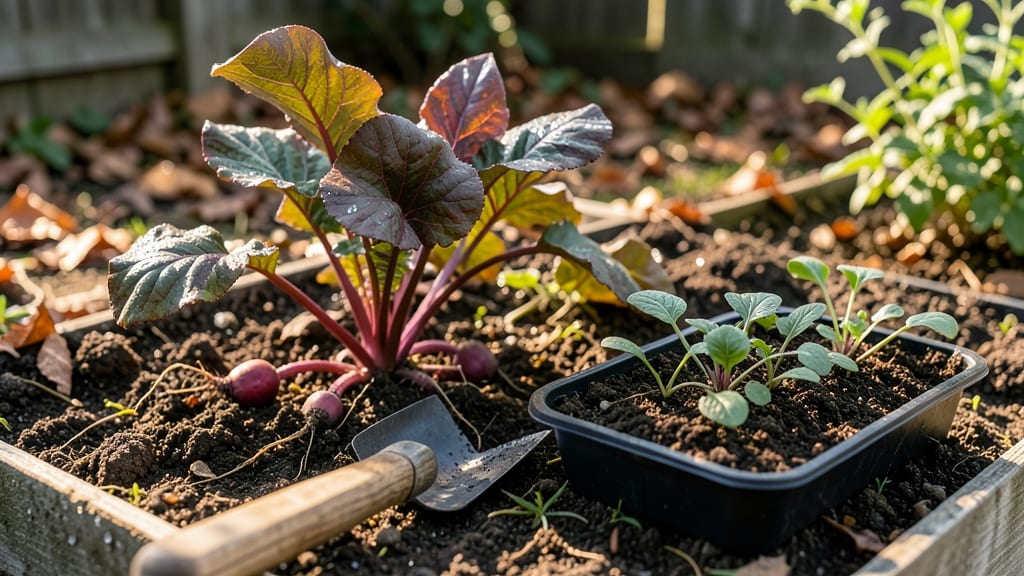
Timing your 🥕 beet planting in Arkansas could mean the difference between sweet, tender roots and bitter greens that bolt before harvest. The key isn't just the calendar date—it's understanding when the soil reaches that 45°F sweet spot for germination without overheating into summer.
Most Arkansas gardeners know the March-April window works, but did you know late summer plantings in July-August can also yield great results? The secret lies in avoiding those sweltering 85°F+ days that trigger bolting, especially in Arkansas' 7a-8b zones where heat arrives early.
I've tested these strategies myself—from container gardening in urban Little Rock to succession planting in the Ozark foothills—and I'll share exactly how to stretch your growing season without risking those June-July harvests turning tough. Let's get those beets in the ground the right way.
Whether you're a first-time gardener or a seasoned pro, these Arkansas-specific tips will help you avoid common mistakes like planting too early (when soil stays cold) or too late (when days get too long).
You'll learn how to read your soil's temperature cues and adjust for your specific microclimate—because what works in Fayetteville might not be perfect for Texarkana.
Best planting windows for beets in Arkansas (soil temp chart)
Beets thrive in Arkansas’s mild winters and long growing season, but timing is critical to avoid bolting—when they prematurely flower and develop bitter roots. The key? Plant when soil temperatures sit between 45°F and 85°F.
In Arkansas’s USDA Zones 7a–8b, this means two ideal windows: early spring (March–April) and late summer (July–August). Northern Arkansas (e.g., Fayetteville) has cooler soils, while southern regions (e.g., Little Rock) can plant slightly earlier.
Use your finger test to check soil readiness: Stick your finger 2–3 inches deep. If the soil feels cool but workable (like a damp sponge), it’s time to plant. For precision, invest in a soil thermometer—beets hate cold, soggy soil or scorching heat.
In Arkansas, March 15 marks the average last frost date, but microclimates near rivers or hills may vary by 1–2 weeks. Always plant 2 weeks before your local last frost date for safety.
Bolting is your biggest enemy in Arkansas’s heat. Beets exposed to consistent temperatures above 80°F for more than a week will bolt, especially varieties like ‘Detroit Dark Red’. To beat the heat, opt for shade-tolerant varieties like ‘Golden’ or ‘Chioggia’, which handle Arkansas’s July–August heat better than others.
For fall plantings, aim for July 1–August 15 to harvest before the first frost (November 15 on average).
🌱Pro Tip: Arkansas gardeners often use succession planting—sow seeds every 2 weeks from March to August—to ensure a steady harvest. This works because beets mature in 50–60 days, fitting neatly into Arkansas’s growing seasons.
For container gardening in Arkansas, stick to shorter varieties like ‘Babybeat’ and plant in March–April or July–August. Containers heat up faster, so monitor soil temps closely—above 85°F will trigger bolting. Use black plastic mulch to warm soil in spring or shade cloth in summer to keep roots cool.
In my own Arkansas garden, I’ve found that drip irrigation (watering at the soil line, not the leaves) helps maintain even moisture, which is critical for preventing bolting.
🌡️Soil Temp Alert: If your soil thermometer hits above 85°F for 3+ days, your beets will bolt. In Arkansas’s July–August, this happens fast—especially in southern counties like Hot Springs.
To delay bolting, mulch heavily with straw or use 30% shade cloth to lower soil temps by 5–10°F.
Harvest timing in Arkansas varies by planting window. Spring-planted beets (March–April) are ready by June–July, while fall-planted beets (July–August) mature by October–November. For a continuous harvest, I plant two rounds: one in early April and another in mid-July.
This ensures fresh beets from June through November, just before the first frost. Store harvested beets in a cool, dark place (like a root cellar) to extend their shelf life for 2–3 weeks.
📅Arkansas Planting Calendar:
- February 20–March 30: Southern Arkansas (soil warms early).
- March 15–April 15: Statewide (safe after last frost).
- July 1–August 15: Late summer (harvest before October).
- August 20–September 15: Northern Arkansas only (risky; use cold frames).
Finally, test your soil before planting—beets prefer pH 6.0–7.0. Arkansas’s clay-heavy soils often need compost or aged manure to improve drainage. Amend your beds in fall or early spring to give beets the loose, fertile soil they crave.
With the right timing and soil prep, you’ll enjoy sweet, tender beets all season long—no bitterness in sight! 🥕
Best planting windows for beets in Arkansas (soil temp chart)
Arkansas gardeners face unique challenges with beet bolting due to our hot summers and variable frost dates. The key to success? Planting when soil temperatures stay between 45°F–85°F.
Too cold, and seeds rot; too hot, and beets bolt before you harvest. Let’s break down the perfect windows for your region.
Northern Arkansas (Zones 6b–7a) has earlier frost risks than southern areas (Zones 7b–8a). This means your last frost date could vary by weeks—sometimes even months! Use your local USDA Plant Hardiness Zone map to fine-tune timing, but these general rules apply statewide.
| Planting Window | Soil Temp (°F) | Frost Risk | Best Varieties |
|---|---|---|---|
| Early Spring (North AR) | 45°F–60°F | Low (after March 15) | 'Detroit Dark Red', 'Golden' |
| Late Spring (South AR) | 50°F–65°F | None (April–May) | 'Chioggia', 'Lutèce' |
| Late Summer (Statewide) | 65°F–85°F | Low (July–August) | 'Boltardy', 'Ruby Queen' |
| Fall (North AR) | 50°F–60°F | Moderate (Sept–Oct) | 'Detroit Dark Red' |
For northern Arkansas, aim to plant beet seeds 4–6 weeks before your last frost date (typically mid-March to early April). Southern Arkansas gardeners can start as early as February if soil temps are stable. Use a soil thermometer to confirm—45°F is your minimum for germination.
If you miss spring, don’t panic! Late summer plantings (July–August) work well in Arkansas, provided you use shade cloth during heatwaves. Bolt-resistant varieties like 'Boltardy' are your best bet for summer success. Just remember: avoid planting when daytime temps exceed 85°F.
Pro tip: Succession plant every 2 weeks in spring and fall to ensure a steady harvest. Arkansas’s 220-day frost-free season gives you plenty of room for multiple plantings—just watch those soil temps like a hawk!
🌱