
Plants
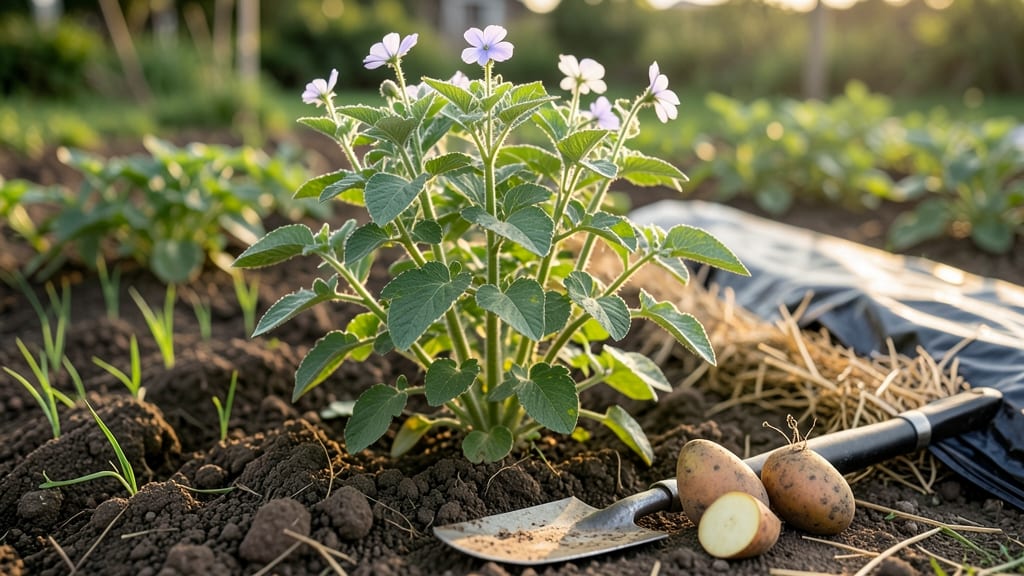
If you’ve ever wondered when to plant potatoes in Idaho, timing isn’t just about checking the calendar—it’s about reading your soil’s secret signals. Idaho’s famously cool springs and high-altitude zones mean planting too early can leave your 🥔 vulnerable to frost, while waiting too long risks stunted growth.
The key? Start when soil hits 45°F, typically mid-April to early May, but don’t rely on dates—dig deeper.
Why does soil temperature matter more than calendar months in Idaho? Because those 4b-7b zones (especially in northern regions) can swing wildly between frost and warmth.
A quick soil test with a thermometer or even your elbow (bury it 4 inches deep—if it feels cool but not icy, you’re golden) can save your harvest. Miss this step, and you might end up with potatoes that sprout slowly or worse, rot before they mature.
Here’s the game-changer: Idaho’s short growing season demands fast results. By planting at the right moment, you’ll beat pests, outpace unpredictable weather, and enjoy a bumper crop of russets, Yukons, or fingerlings by late summer.
Whether you’re a first-time gardener or a seasoned Idaho farmer, mastering this timing trick could mean the difference between a handful of potatoes and a mountain of them.
Ready to unlock the secrets of Idaho’s potato-growing magic? Let’s break down exactly how to time your plantings for maximum speed and success, no guesswork required.
Idaho’s ideal potato planting timeline by soil temperature (not calendar dates)
Forget relying on calendar dates—Idaho’s high-elevation microclimates (like Boise’s 4,000-foot elevation or the Palouse’s 2,500-foot plains) demand soil temperature triggers for perfect potato timing. Planting too early risks frost damage, while waiting too long shortens Idaho’s 90-day growing window.
The key? Wait until soil hits 45°F—the magic threshold for fast sprouting and disease resistance.
Idaho’s USDA zones 4b-6b mean frost can linger until mid-May in northern regions (like Coeur d’Alene) but arrives as early as early April in southern valleys (like Twin Falls). Use a soil thermometer ($10 at garden centers) to test 4 inches deep—where potatoes’ sprouts emerge.
Morning readings between 50°F–60°F signal ideal planting conditions, while below 45°F slows growth and invites rot.
Here’s how variety sensitivity affects timing: Russet potatoes (Idaho’s signature crop) thrive when planted 2–3 weeks after last frost, while red potatoes (like ‘Red LaSoda’) tolerate cooler soils and can go in 1 week earlier. Fingerling varieties (e.g., ‘Purple Peruvian’) need warmer soil (50°F+) to avoid scab disease, common in Idaho’s alkaline soils.
Microclimates complicate things: Urban heat islands (like downtown Boise) may warm 5–7 days earlier than rural areas, while northern Idaho’s (e.g., Sandpoint) late frosts can delay planting until late May.
Test your spot by planting a few seed potatoes early in a protected bed—if they sprout in 10–14 days, your soil’s ready for full planting.
Pro tip: Chitting (pre-sprouting seed potatoes) buys you 2–3 weeks of growing time in Idaho’s short season. Place certified seed potatoes in a bright, cool (50°F) spot 2 weeks before planting. Look for 1-inch sprouts—these hit the ground running when soil’s warm.
Use this soil temperature
Idaho’s ideal potato planting timeline by soil temperature (not calendar dates)
Idaho’s cool mountain climate means calendar dates are unreliable for planting potatoes. Instead, focus on soil temperature—the real trigger for fast sprouting. Most Idaho regions (like Boise and Twin Falls) need soil to warm to 45°F before planting.
High-altitude areas (e.g., Moscow or the Palouse) may wait until 50°F due to later springs.
Why? Cold soil slows germination, inviting rot and pests. Test soil with a soil thermometer (insert 4 inches deep) or use your finger—if it feels chilly but workable, it’s ready. Urban heat islands (like Meridian) may warm faster, so adjust timing accordingly.
🌱
| Region | Soil Temp Trigger (°F) | Best Planting Window | Varieties to Try |
|---|---|---|---|
| Southern Idaho (Boise, Twin Falls) | 45°F | Mid-April to early May | Russet Burbank, Yukon Gold |
| Northern Idaho (Coeur d’Alene, Sandpoint) | 50°F | Late April to mid-May | Red Pontiac, Kennebec |
| High Altitude (Moscow, Palouse) | 50-55°F | Early May | Fingerlings, Purple Majesty |
| Urban Heat Islands (Meridian, Nampa) | 40°F | Late March to early April | Early Girl, Red LaSoda |
For early varieties (like Red LaSoda), aim for 45°F soil by mid-April. Late-season varieties (e.g., Yukon Gold) can wait until early May. Use row covers if planting before last frost—Idaho’s average last frost ranges from April 15 (south) to May 10 (north).
Pro tip: Chit your seed potatoes (pre-sprout indoors) to jumpstart growth in Idaho’s short season. Place cut potatoes in a cool, bright spot for 2–3 weeks before planting. This shaves 10–14 days off your growing timeline.
Monitor Idaho State University Extension for local frost alerts—some years, a late frost hits May 10, while others are frost-free by April 20. Flexibility is key! 🌿