
Companion Plants
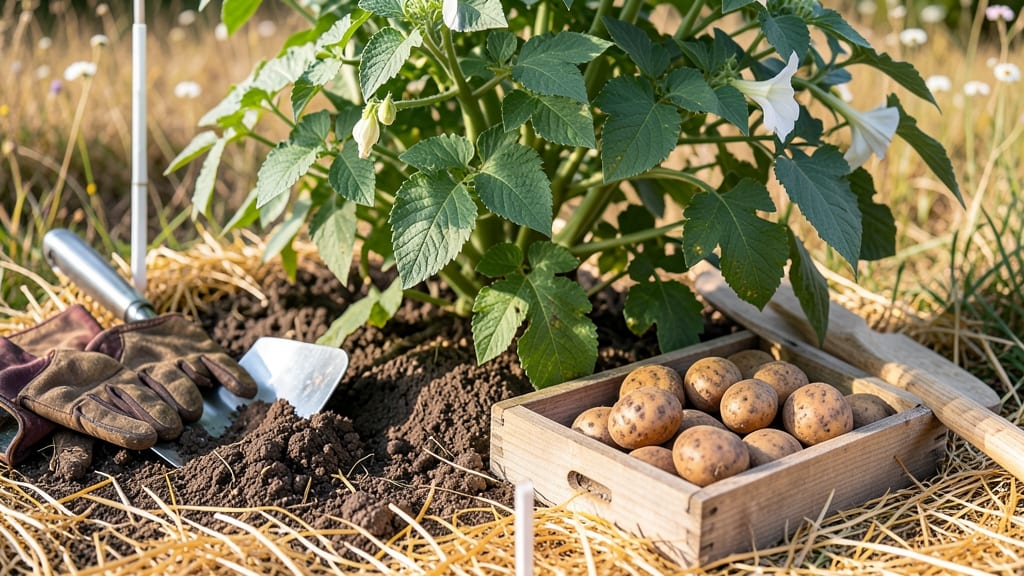
Timing your potato planting in Pennsylvania isn’t just about the calendar—it’s about catching that sweet soil temperature window that turns seed potatoes into a fast-growing harvest. Skip the guesswork, and you risk stunted tubers or worse, while nailing it guarantees plump, disease-resistant potatoes by summer.
The secret? Planting when the ground hits 45°F—a threshold that aligns perfectly with Pennsylvania’s 5b-7a zones.
Most gardeners in PA wait until after the last frost (around mid-April), but early planners can cheat the season with frost protection or chitting potatoes indoors.
Whether you’re working in-ground beds or containers, the goal is the same: get those 🥔 sprouts into warm soil before pests or blight move in. I’ll break down the exact steps to time your planting for maximum speed and yield—no more waiting for “perfect” weather.
What happens when you plant too early? Your potatoes may rot in cold soil. Too late? You’ll miss the 90-day growth window before fall frosts. The good news? Pennsylvania’s climate gives you two planting windows—early spring (as soon as soil is workable) or late winter under cover.
I’ll show you how to leverage both for a longer harvest season, plus how to adjust for your specific corner of the state.
Ready to turn your garden into a potato powerhouse? Let’s dive into the soil temperature triggers, variety choices, and pro tips that’ll have your 🥔 tubers ready to harvest before the first frost warning. No more second-guessing—just a foolproof plan for PA gardeners.
Ideal Pennsylvania soil temperatures for planting potatoes (zones 4-7)
Pennsylvania’s USDA Zones 4-7 create a 2-4 week window for planting potatoes, but soil temperature—not calendar dates—determines success. In colder Zone 4 (northwest PA), wait until soil reaches 45°F, while Zone 7 (southeast PA) can start as early as 40°F.
This difference matters because cold soil slows sprouting and invites rot.
Use a soil thermometer to check depth—potatoes need 50°F+ at 4 inches deep for consistent germination.
Without one, press your finger into the soil: if it feels cool but workable (not icy), it’s likely ready. Urban gardens in cities like Philadelphia often warm faster than rural areas due to heat island effect, so plant 1-2 weeks earlier there.
Here’s how microclimates affect timing: South-facing slopes warm 1-2 weeks sooner than north-facing areas, while low-lying spots stay colder longer. Adjust your schedule by observing nearby fruit trees—when apple blossoms appear, soil is typically ready in most of PA.
For container planting, soil warms faster than in-ground beds, but pots also dry out quicker. Start containers 2 weeks earlier than in-ground planting dates, and use black plastic mulch to raise soil temps by 5-10°F.
Missed the ideal window? Late planting (May-June) is still possible with fast-maturing varieties like ‘Yukon Gold’ (90 days) or ‘Red Norland’ (80 days). These tolerate cooler soils better than late-season varieties like ‘Russet Burbank’ (120 days), which need warm soil to avoid hollow heart (a common PA issue).
| Zone | Ideal Soil Temp | Planting Window | Notes |
|---|---|---|---|
| 4 (Erie, Scranton) | 45°F+ at 4" | Late April–early May | Use row covers for frost protection |
| 5 (Pittsburgh, State College) | 42°F+ at 4" | Mid-April–late April | Plant early varieties first |
| 6 (Harrisburg, Lebanon) | 40°F+ at 4" | Early April–mid-April | Urban areas plant 1 week earlier |
| 7 (Philadelphia, Reading) | 38°F+ at 4" | Late March–early April | Watch for early blight in humid springs |
🌱 Pro Tip: Test soil temp for 3 days in a row—morning temps are 2-3°F cooler than afternoon.
PA’s unpredictable springs can throw off even the best-laid plans. If a late frost hits after planting, cover seedlings with lightweight row covers or old bedsheets to protect them until temps stabilize. In Zone 4, this happens 1 in 3 years—so always have a backup plan.
For second crops, plant seed potatoes in early June for a fall harvest. Choose fast-maturing varieties (under 90 days) to avoid first frost (average October 15). Hill soil around stems in late June to protect new tubers from light exposure, which turns them green and toxic.
Local extension offices like Penn State’s offer free soil temperature maps—check their websites for real-time updates if you’re unsure. In 2023, Erie’s soil warmed 10 days later than Philadelphia due to lake effects, so don’t assume your neighbor’s timing applies to you.
How to time potato planting for fast sprouting in PA’s unpredictable spring
Pennsylvania’s spring weather is famously unpredictable—one day warm enough to plant, the next hit with a late frost. To beat this challenge, I’ve learned to use chitting (pre-sprouting) and row covers as my secret weapons. These tricks help potatoes sprout faster and give them a head start before the soil warms up naturally. Even in Zone 5b, where frosts linger until mid-April, these methods can shave weeks off your growing season. The key is starting 4-6 weeks before your average last frost date (which varies from March 20 in the south to April 20 in the north). For example, if your last frost is April 15, begin chitting by March 1. This gives your potatoes enough time to develop 1-inch sprouts before planting, ensuring they hit the ground running once temperatures stabilize.
Place seed potatoes in a cool, bright spot (like a sunny windowsill) for 4-6 weeks before planting. This encourages 1-inch sprouts that grow faster once in soil. Use egg cartons or trays to keep them organized.
Choose early-season varieties like 'Yukon Gold' or 'Red Norland' (ready in 70-90 days) for a quicker harvest. These thrive in cooler PA springs and resist blight better than late bloomers.
After planting, cover rows with floating row covers to protect from late frosts (28°F tolerance). Remove covers when daytime temps hit 50°F consistently to avoid overheating.
Use a soil thermometer to confirm temps are 45°F+ at 4 inches deep. In PA, this often means waiting until late April or early May in northern regions. Planting too early in cold soil stunts growth.
Once sprouts reach 6 inches tall, mound soil around stems to encourage more tuber formation and protect against greening (toxic solanine buildup). Repeat every 2-3 weeks until plants flower.
Pro Move: If you’re worried about late frosts, try succession planting. After your first harvest (around July 1), replant with a late-maturing variety like 'Kennebec' for a fall crop.
This stretches your harvest window and reduces waste. Just be sure to use disease-resistant seed potatoes—PA’s humid summers make blight a real threat.
The most common mistake I see? Gardeners planting too deep (buried 6+ inches) because they’re trying to protect tubers from frost. But potatoes need 2-4 inches of cover max—any deeper, and they’ll struggle to reach the surface.
Also, avoid planting in wet, heavy clay soil common in eastern PA. Amend with compost or sand to improve drainage, or opt for raised beds where soil warms faster.
🌱